
What is the role of pelvic floor muscles in bowel movement and what is pelvic floor dysfunction?
The pelvic floor must relax and contract in harmony to allow normal and comfortable stool elimination. However, when coordination is disrupted, bowel movements may become strained, painful, or irregular. Therefore, understanding how these muscles function is essential for diagnosing and treating pelvic floor dysfunction effectively. Awareness and intervention can help individuals regain control, reduce symptoms, and improve their quality of daily life.
Fixing Pelvic Floor Dysfunction with Evidence-Based Therapies and Lifestyle Support
This blog aims to explain the role of pelvic floor muscles in healthy bowel movement function. Many individuals experience discomfort due to unrecognised pelvic floor dysfunction affecting daily elimination. Understanding the signs and causes allows people to seek timely intervention from trained health professionals. Relaxation techniques and behavioural changes can significantly improve symptoms and restore muscle coordination. Additionally, physiotherapy and biofeedback provide practical tools for managing pelvic floor dysfunction in both men and women. Willingness promotes awareness and informed care by providing accurate information on pelvic health and supportive treatment strategies.
Fixing Pelvic Floor Dysfunction Through Expert Guidance and Gentle Intervention
If, for any reason, a person cannot control their pelvic muscles, this may indicate pelvic floor dysfunction. Therefore, identifying issues with muscle coordination is essential for early intervention and effective management. Consequently, individuals may experience bowel problems, discomfort, or pain without understanding the underlying cause of their symptoms. Ultimately, seeking guidance from a trained physiotherapist can support muscle control and improve overall pelvic health and quality of life.
Understanding the Impact of Pelvic Floor Issues on Daily Life
People with pelvic floor dysfunction often experience constipation, straining, and pain during or after bowel movements. Many report discomfort in the lower back, pelvic area, genitals, or rectum regularly. Others may suffer from pelvic muscle spasms that interfere with daily comfort and mobility. Some individuals also notice frequent urges to urinate or difficulty fully emptying their bladder. Women with this condition may experience pain during intercourse, which can affect intimacy and emotional well-being.
Fixing Pelvic Floor Dysfunction with Targeted Therapies and Lifestyle Changes
Firstly, a women’s health physiotherapist can offer essential advice for managing pelvic floor dysfunction through behaviour modification strategies. Additionally, they teach proper techniques to support effective defecation and reduce discomfort during bowel movements. Moreover, these professionals guide individuals in adopting posture, breathing, and relaxation methods that improve pelvic muscle coordination. Ultimately, working with a physiotherapist empowers patients to regain control, relieve symptoms, and enhance their overall bowel and pelvic health.
Improving Pelvic Health Through Movement, Mindfulness, and Support
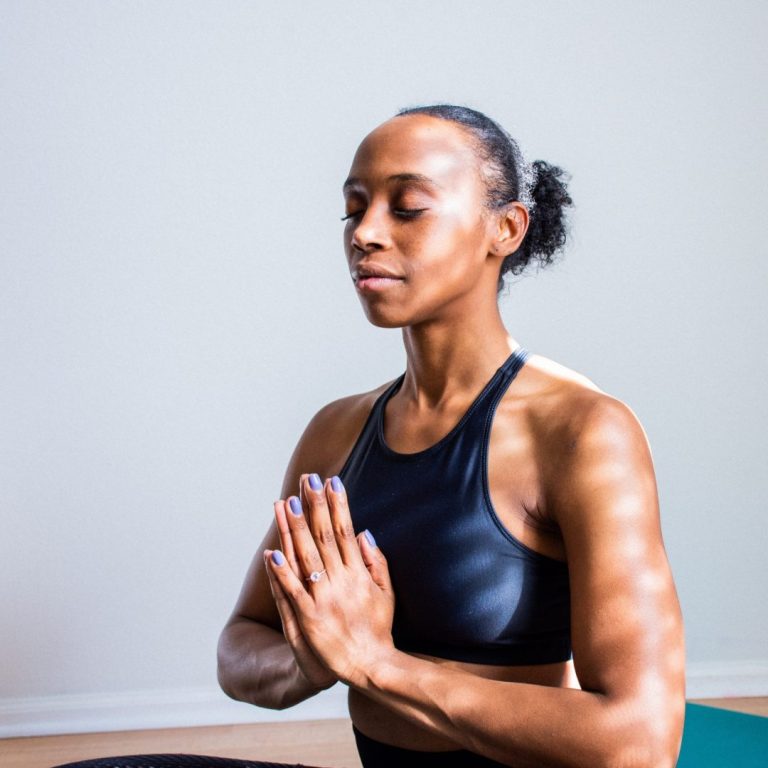
Other exercises like yoga and deep breathing support pelvic floor muscle relaxation and reduce physical tension. Relaxation techniques encourage body awareness, stress reduction, and improved pelvic function over time. Biofeedback offers a guided approach to help individuals learn how to control pelvic floor muscle activity. Specialists often use sensors and visual feedback to support accurate muscle engagement and progress. Individuals can benefit from combining physical therapy with biofeedback for better control and symptom relief. Together, these methods form an effective plan to support recovery and improve pelvic floor coordination.
Fixing Pelvic Floor Dysfunction Through Personalised Treatment and Therapeutic Support
Physical therapy often plays a central role in managing pelvic floor dysfunction and improving muscle coordination. Medication is sometimes prescribed in low doses to support symptom relief. Doctors may recommend combining therapies to enhance results and promote long-term recovery from pelvic-related issues. Treatment plans are usually tailored to individual needs, ensuring effective care through both physical and medical approaches. Working closely with a healthcare provider ensures the safest use of medication alongside ongoing physiotherapy sessions.
Final Thoughts on Fixing Pelvic Floor Dysfunction
To conclude, managing pelvic floor dysfunction requires a personalised approach that includes physiotherapy, lifestyle adjustments, and medical support where needed. Therefore, understanding the role of pelvic muscles in bowel movement is essential for effective treatment and long-term relief. Additionally, relaxation techniques, biofeedback, and daily exercises can greatly improve control, comfort, and overall pelvic health. Together, these strategies empower individuals to take charge of their wellbeing and significantly enhance their quality of life.
Written by Carolyn Sultana
If you think that you can benefit from professional support on this issue you can reach out here.
Carolyn Sultana is a Women’s and Men’s Health Physiotherapist. She graduated as a physiotherapist from the University of Malta in 2004 and continued to gain a masters degree in Physiotherapy for Women’s Health at the University of Bradford in 2014. You can reach out to her on [email protected] or call us on 79291817.