
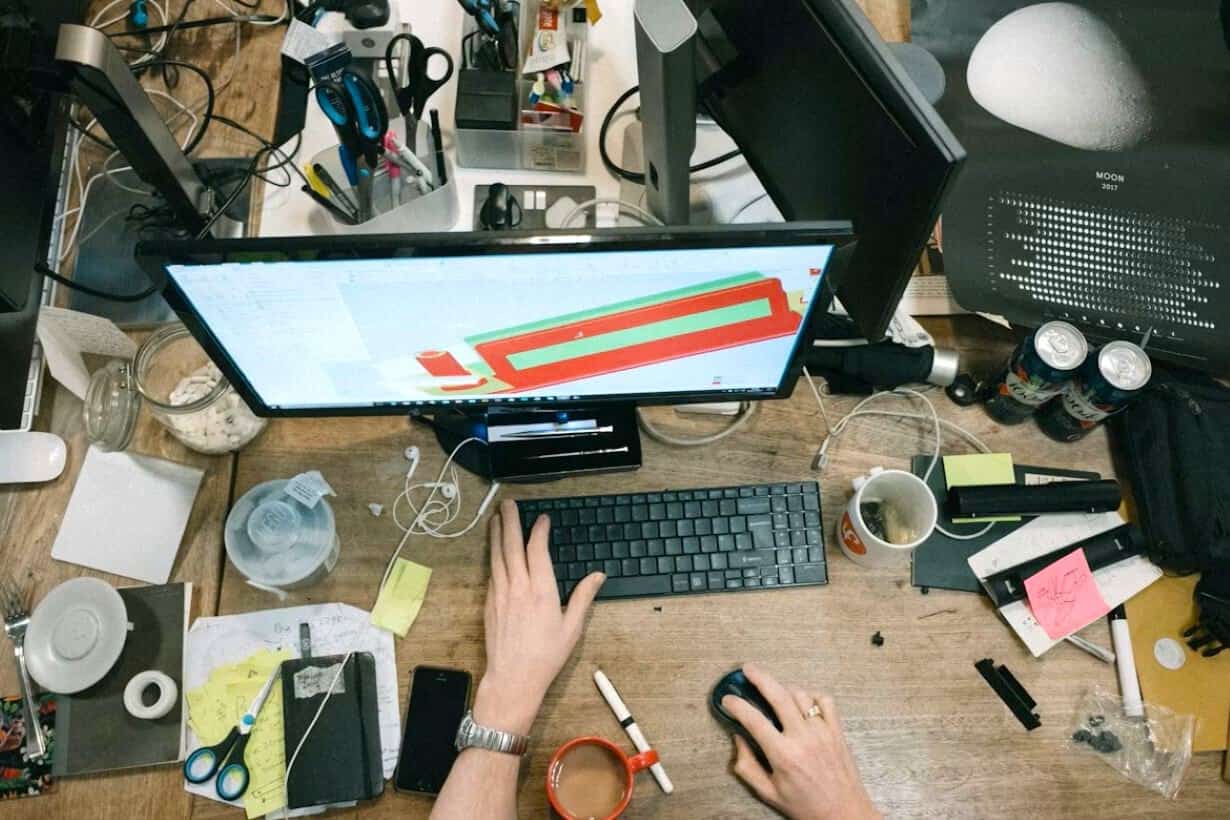
When Productivity Becomes a Coping Mechanism
In modern culture, productivity often reflects discipline and success, yet it can also mask deeper emotional coping mechanisms. Consequently, individuals may rely on constant busyness to manage uncertainty, using structured work patterns to avoid confronting uncomfortable internal experiences. Ultimately, this dynamic highlights how productivity, while valuable, can gradually shift into a coping strategy linked to anxiety and self-worth.
Anxiety-Driven Productivity Patterns: When Work Becomes Coping
This blog explores how productivity can become a coping mechanism and explains how individuals recognize these behavioral patterns. Additionally, it highlights how people use constant busyness to manage stress and avoid uncomfortable emotional experiences daily. Moreover, it examines how overworking patterns develop and how they gradually reinforce anxiety and emotional avoidance behaviors over time. Furthermore, it outlines practical ways individuals can identify these patterns and understand their emotional triggers more clearly. Subsequently, it encourages individuals to challenge unhelpful beliefs about productivity and reconnect with more balanced and sustainable work habits. It supports individuals in developing healthier coping strategies that promote wellbeing, emotional awareness, and a more stable sense of self-worth.
Anxiety-Driven Productivity Patterns: Finding Control Through Work
Work provides structure, predictability, and a sense of control, offering individuals clarity during uncertain or emotionally challenging periods. Additionally, tasks can be completed, measured, and validated, which often feels more manageable than navigating complex and unpredictable emotional experiences. Consequently, when individuals feel anxious, overwhelmed, or uncertain, they may immerse themselves in productivity to create temporary relief and stability. This reliance on productivity can reinforce avoidance patterns, where action feels safer than processing difficult emotions and internal discomfort.
The Shift from Action to Avoidance: Turning Doing into Emotional Escape
The focus gradually shifts away from internal discomfort and into constant action, where productivity becomes a way to manage and suppress emotional distress. Consequently, over time, this pattern becomes reinforcing, as doing consistently feels safer than feeling, reducing opportunities to process deeper emotional experiences. Ultimately, this is where productivity shifts into toxic productivity, where behavior becomes driven by fear of failure, inadequacy, and not feeling enough.
Guilt and Anxiety in Rest: Growing Dependence on Productivity
Individuals often perceive rest as uncomfortable or undeserved, which reinforces their need to remain constantly productive and engaged. Secondly, slowing down frequently triggers feelings of guilt or anxiety, pushing individuals to return quickly to familiar work routines. Thirdly, individuals begin to associate their value with output, measuring self-worth through achievements rather than internal experiences or personal qualities. Moreover, this pattern encourages individuals to prioritize productivity over wellbeing, often ignoring emotional needs and signs of mental or physical exhaustion. Finally, individuals reinforce this cycle by continually seeking validation through work, strengthening the link between productivity and their sense of identity.
Anxiety-Driven Productivity Patterns: The Worry-Work Cycle Explained
Firstly, individuals experience the worry-work cycle as anxiety increases, prompting them to engage in more work to regain control. Secondly, individuals respond to rising anxiety by increasing productivity, believing that constant action will reduce uncertainty and emotional discomfort. However, chronic overworking depletes emotional and physical resources, which gradually intensifies anxiety and reduces overall capacity to cope effectively. Consequently, individuals become trapped in a cycle where anxiety fuels productivity, and excessive productivity continues to sustain and reinforce anxiety. Others may struggle to recognize this pattern externally, as individuals often appear capable, driven, and consistently high-performing in daily life.
Over functioning Behind the Scenes: Ongoing Internal Strain
Firstly, many individuals experiencing this pattern appear highly capable and driven, often maintaining consistent performance and meeting expectations in demanding environments. Secondly, internally, individuals may feel constantly on edge, experiencing persistent tension that limits their ability to relax or disengage from work. Moreover, individuals often struggle to remain present outside of work, as their thoughts frequently return to tasks, responsibilities, and ongoing pressures. Finally, individuals may find downtime unfamiliar or distressing, as stillness can trigger discomfort, anxiety, and difficulty tolerating unstructured or quiet moments.
Anxiety-Driven Productivity Patterns: Recognizing the Signs and Costs
There are several signs that productivity may function as a coping mechanism, including anxiety during rest and guilt when not working. Moreover, individuals may use tasks to avoid difficult emotions while defining self-worth primarily through achievement, reinforcing patterns that are often socially accepted. Over time, chronic overworking can lead to burnout, emotional exhaustion, and reduced wellbeing, highlighting the long-term cost of these coping behaviors.
Anxiety-Driven Productivity Patterns: Rebuilding Balance and Self-Worth
Firstly, this pattern can impact relationships by limiting emotional availability and making it increasingly difficult for individuals to fully disconnect from work. Secondly, individuals may lose touch with creativity, connection, and intrinsic worth, as productivity begins to dominate their sense of identity. Moreover, it is important to recognize that this pattern often develops as an adaptive way of managing difficult internal experiences. Furthermore, the goal is not to reduce motivation, but to build a more balanced and sustainable relationship with productivity. Finally, individuals can reconnect with values, increase awareness of triggers, and practice intentional rest to support recovery and emotional regulation.
Final Thoughts on Anxiety-Driven Productivity Patterns
To close off here, recognizing when productivity becomes a coping mechanism is not a failure, but an important step towards self-awareness and emotional understanding. This awareness helps individuals shift from autopilot functioning to more conscious engagement with their behaviors and emotional needs. Ultimately, developing healthier relationships with work supports balance, wellbeing, and a more stable sense of self-worth.
Written by Pamela Borg
If you think that you can benefit from professional support on this issue you can reach out here.
Pamela Borg is a counsellor who enjoys working therapeutically with adults experiencing various issues. These include general mental health and wellbeing, gender, sexuality, relationship issues.
References
Ho., J. (2025). The Hidden Cost of Always Being Productive. Retrieved from: https://www.psychologytoday.com/us/blog/unlock-your-true-motivation/202506/the-hidden-cost-of-always-being-productive
Mosunic, C. (2025). Are you constantly overworking? 6 tips to overcome workaholism. Retrieved from: https://www.calm.com/blog/workaholism
Ross, D. (2026). Breaking the Worry–Work Cycle: When Productivity Becomes an Anxiety Coping Strategy. Retrieved from: https://psychhub.com/resources/anxiety/breaking-worry-work-cycle
Photo by Robert Bye on Unsplash