A guide to choosing activities for your child – Just let them play, they will find their way. Part 3
There is no need to rush decisions, as children will naturally develop preferences and gravitate towards activities that suit them over time. Moreover, as they grow, they begin to recognize where they feel most comfortable, therefore guiding their own choices with increasing confidence. This process reflects natural development, and additionally, highlights that parents can support exploration but should avoid forcing fixed paths.
Value Of Hobbies and the Importance of Free Play
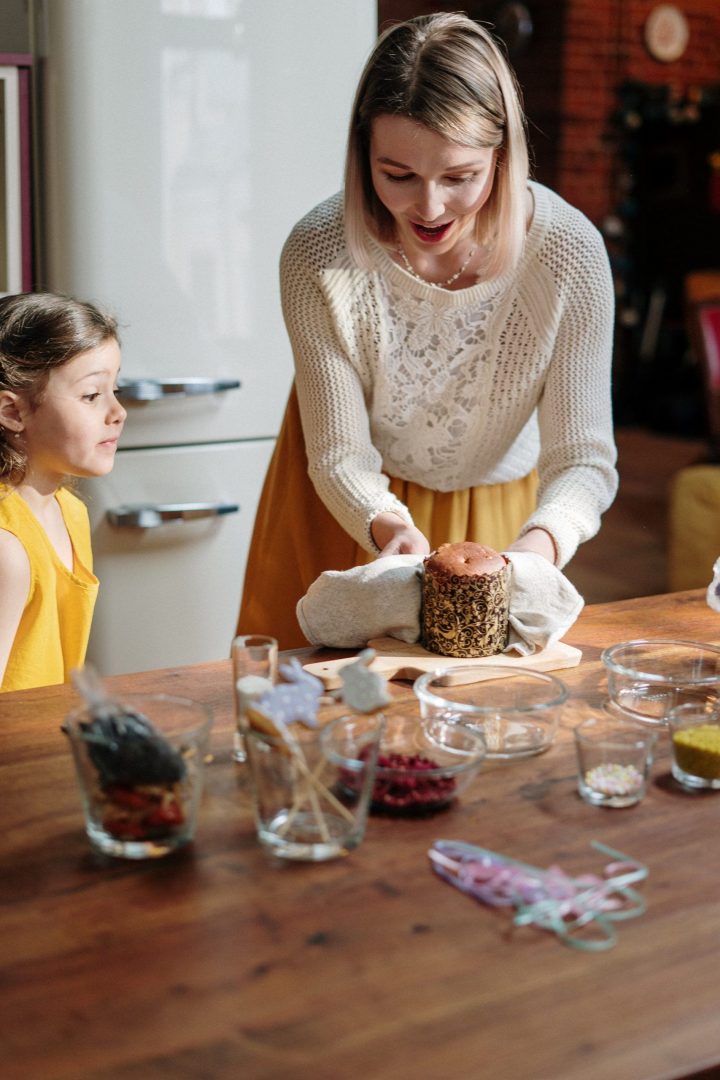
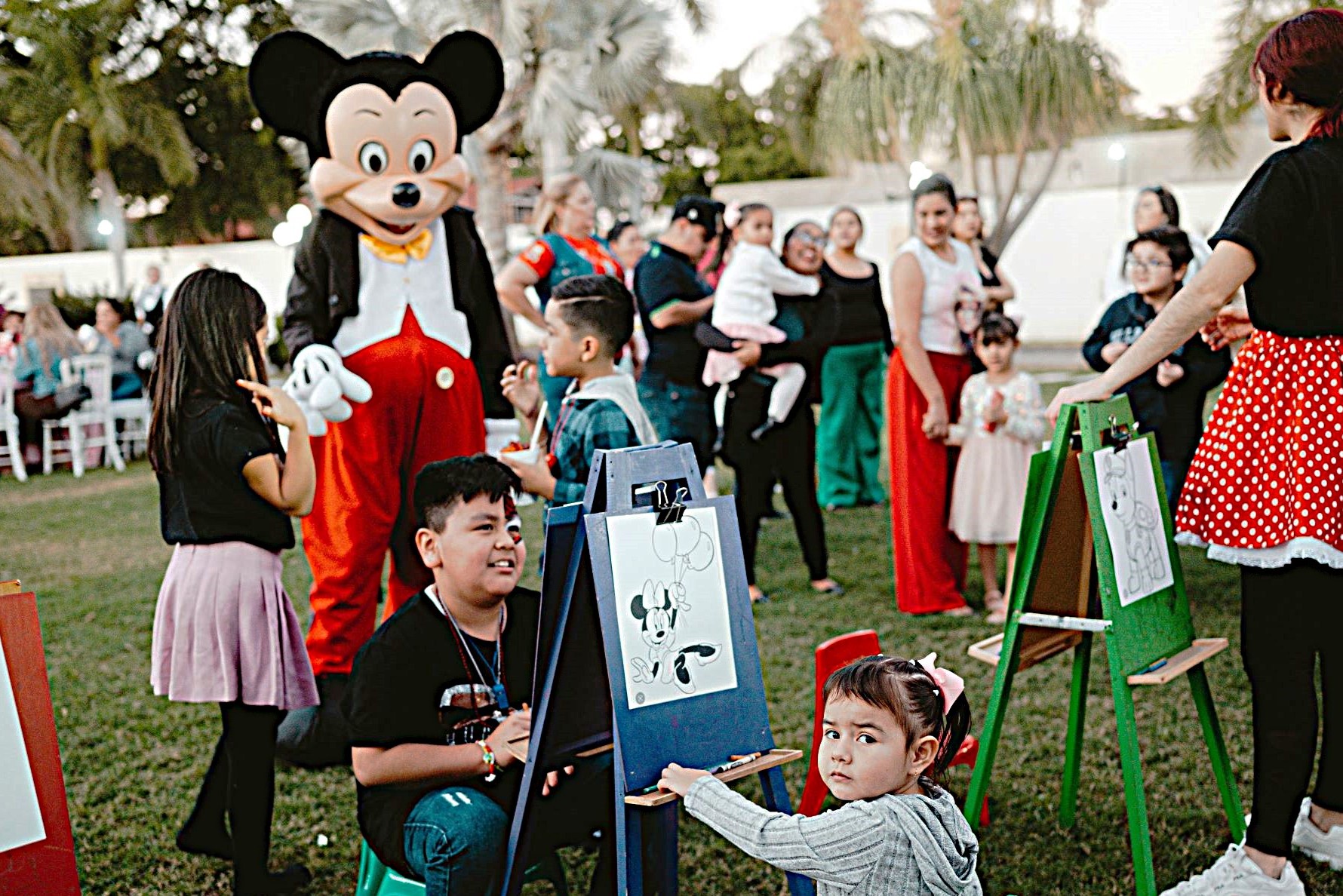
As we discussed in PART 2, forcing narrow activity choices may reflect parental expectations rather than children’s actual developmental needs. Moreover, this does not mean enrolling children in every activity they request, as balance remains important. Additionally, overloading children with structured options can create pressure rather than supporting natural curiosity and enjoyment. Furthermore, play does not require formal settings, as meaningful learning can occur through simple and accessible experiences. Parents can provide basic resources, such as space and simple tools, to encourage exploration and creativity. Everyday play opportunities often support development just as effectively as formal institutions and organized activities.
Value Of Hobbies and Embracing Personal Complexity
However, this societal notion that we are defined by one role often overlooks the richness and complexity of individual identity. Moreover, I feel this perspective limits how people are perceived, therefore reducing appreciation for the diverse qualities they possess. Additionally, I find it challenging to be seen solely through one lens, particularly when my interests extend beyond parenting or children. Ultimately, I believe individuals have much more to offer, and additionally, they should be recognized for their broader capabilities and experiences.
Finding a Balance Beyond Specialization
I believe this limitation affects many individuals, as people possess diverse abilities that extend far beyond one defined role. Moreover, this highlights a downside of specialization, where depth may come at the expense of broader personal expression and flexibility. Additionally, some argue that mastering one area holds greater value than being skilled across multiple domains and experiences. I recognize both perspectives, yet I value balance, allowing individuals to grow across different interests while still developing meaningful expertise.
Journey Beyond Single Identity
However, I believe individuals can master more than one area while also exploring other interests with curiosity and openness. Moreover, human capacity remains broad, therefore allowing growth across different domains without being confined by rigid boundaries. Additionally, limiting beliefs often restrict potential, preventing individuals from fully exploring and developing their diverse abilities over time. Furthermore, parents should allow children to explore safely, supporting learning without imposing unnecessary pressure or expectations. Ultimately, reducing stress where possible enables children to engage more freely, fostering wellbeing, creativity, and natural development.
Final Thoughts
To finish off, rather than pursuing perfection relentlessly, individuals should focus on enjoying activities and finding personal meaning in their experiences. Moreover, prioritizing enjoyment supports motivation, therefore encouraging creativity and a healthier relationship with effort and growth. Embracing enjoyment over perfection helps individuals reduce pressure and develop in a more balanced and fulfilling way.
Value Of Hobbies: Written by Steve Libreri
Steve Libreri is a social worker and parent coach within Willingness. He offers parent coaching and social work sessions. He can be contacted on [email protected].