When Driving Stops in Old Age
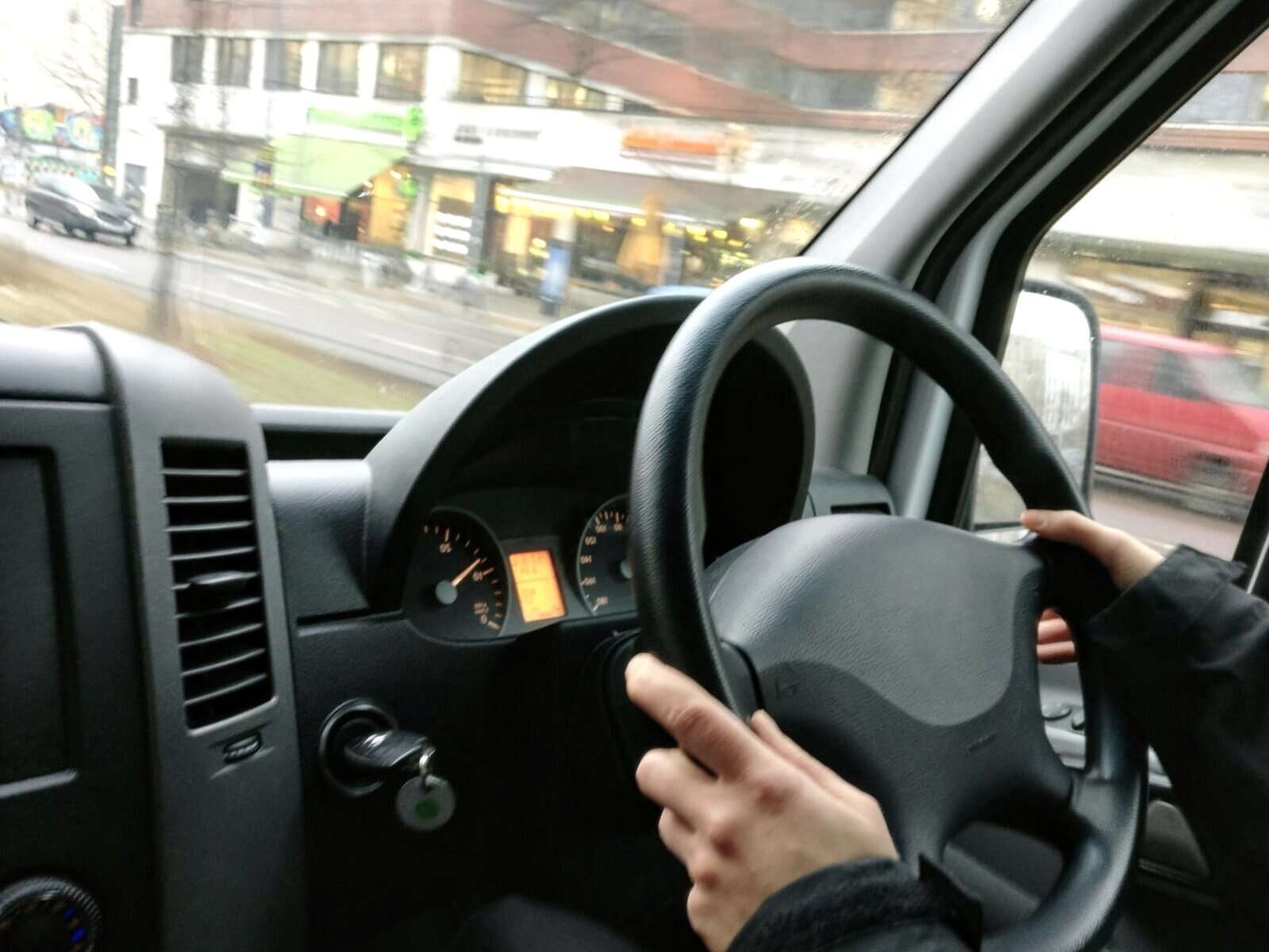
For many older adults, driving symbolizes independence, and consequently, losing this ability can significantly affect daily functioning. Moreover, as mobility declines, individuals may increasingly rely on others, therefore experiencing frustration and challenges in maintaining their identity. This transition can lead to social withdrawal, and additionally, it may contribute to low mood, isolation, and a diminished sense of purpose.
Key Challenges in Letting Go of Driving
Giving up driving rarely feels simple, and older adults often struggle to accept this significant life change. Moreover, changes in vision, mobility, cognition, or medical advice frequently influence decisions about stopping driving safely and responsibly. Consequently, although these changes protect safety, they can also trigger a profound emotional sense of personal loss and uncertainty. Additionally, older adults may feel they lose part of their identity when driving no longer remains possible in daily life. Furthermore, lifelong driving routines often reinforce feelings of pride, competence, and independence, making this transition particularly challenging to accept. Ultimately, individuals may experience frustration and sadness as they adjust to reduced autonomy and increasing reliance on others around them.
Dealing with Loss of Control
A common emotional response involves a loss of control, which can significantly affect confidence and overall wellbeing. Moreover, individuals may struggle to manage daily activities independently, therefore experiencing frustration when attending appointments or completing simple errands. Additionally, relying on others for transport can create discomfort, as individuals may feel uneasy and increasingly dependent on external support. This shift may affect personal dignity, and individuals might worry about being perceived as burdens by others.
Transport Independence Loss and Social Connection
However, there can be a noticeable ripple effect on social connection, as reduced mobility gradually limits opportunities for meaningful community engagement and interaction. Moreover, individuals may experience fewer chances to meet others, therefore increasing the risk of isolation, loneliness, and a decline in overall emotional wellbeing. Consequently, some may begin withdrawing from previously enjoyed activities, and additionally, this can reinforce ongoing feelings of loss, disconnection, and reduced sense of purpose.
Transport Independence Loss Support Strategies
Supporting older adults through this transition requires professionals to balance emotional understanding with practical planning in everyday situations. Moreover, practitioners should acknowledge the significance of this loss and avoid minimizing the emotional impact experienced by individuals. Additionally, open conversations allow individuals to express frustration, sadness, or anger, helping them feel heard and better understood. Furthermore, these discussions can normalize emotional responses and actively reduce internalized stigma associated with losing independence and autonomy. Professionals can empower individuals by involving them in decisions, helping them regain control and maintain dignity throughout this transition.
Transport Independence Loss and Alternative Solutions
However, exploring alternative options can help older adults restore a sense of independence and maintain confidence in their daily routines. Moreover, individuals can identify reliable transport services or community initiatives that support mobility while preserving flexibility and personal choice. Additionally, families can provide structured support in ways that respect autonomy and encourage continued participation in meaningful everyday activities. Furthermore, involving older adults in decision making helps them maintain control and reinforces their sense of dignity and self-worth. Ultimately, collaborative planning enables individuals to adapt successfully, supporting independence while reducing reliance and promoting long-term emotional wellbeing.
Final Thoughts
To wrap up here, while the loss of driving represents a significant transition, it does not necessarily mean losing identity, independence, or personal sense of purpose. With appropriate emotional support and practical planning, older adults can adapt to new ways of meaningful daily routines. Ultimately, by fostering connection and autonomy, individuals can continue living with dignity, confidence, and a sustained sense of belonging.
Transport Independence Loss: Written by Yaser Teebi
If you think that you can benefit from professional support on this issue you can reach out here.
Yaser Teebi works as a Clinical Psychologist and Gerontologist at Willingness. He works with a variety of complex issues and adult age groups, including chronic pain, mental health issues such as depression and anxiety, trauma, loss, grief and bereavement, relationships and cognitive impairment. He’s graduated from the following degrees with Merit: Bachelor of Psychology (Hons), a Master of Gerontology and Geriatrics, and a Master of Psychology in Clinical Psychology, all at the University of Malta. Now he’s currently reading for a PhD in Clinical Psychology and Geriatrics at the University of Birmingham.