
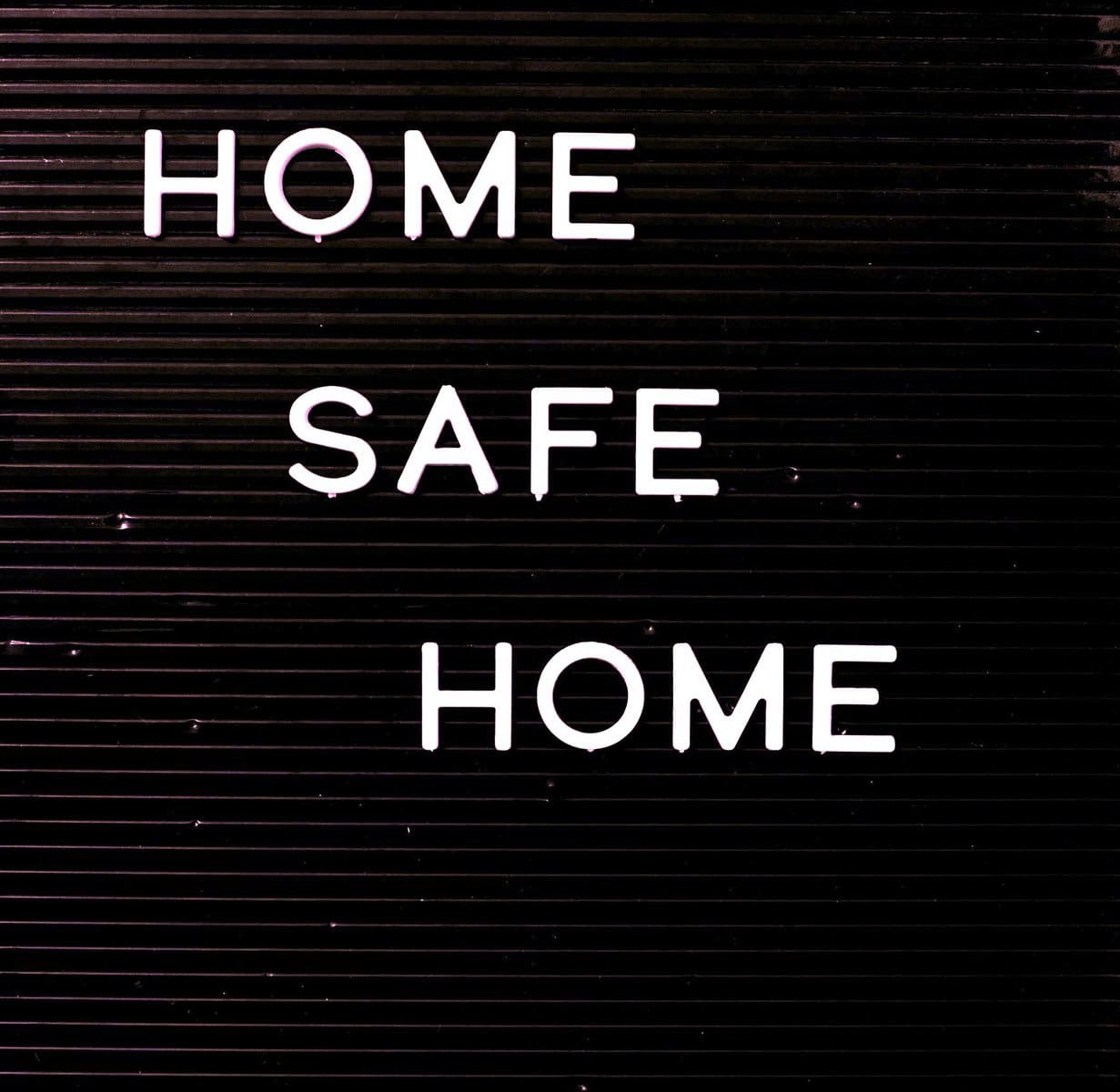
Creating Emotionally Safe Homes
Emotionally safe homes extend beyond childhood, supporting individuals through every stage of life and wellbeing. Furthermore, creating such environments encourages open communication, trust, and emotional security within families and relationships over time. Therefore, recognizing emotional safety as a lifelong need helps build resilient homes where individuals feel consistently valued.
Relationship Security: Beyond Childhood in Emotionally Safe Homes
Caregivers provide consistent and responsive support that helps children feel safe, understood, and able to express emotions openly. Additionally, children build emotional strength when adults acknowledge their feelings and guide behavior with patience, clarity, and consistent understanding daily. Moreover, predictable routines and clear boundaries actively create stability, helping children build trust, confidence, and strong emotional regulation skills early. However, individuals grow and experience change, so their emotional needs naturally shift and require different forms of emotional support over time. Families must actively adapt communication and care to maintain emotional safety, strengthen relationships, and support healthy development across each stage.
Relationship Security: Supporting Adolescents at Home
Adolescents need emotional safety where they feel heard, respected, and taken seriously while navigating identity exploration and uncertainty within home environments. Furthermore, homes that encourage open dialogue, allow disagreement without hostility, and respect autonomy help adolescents build confidence, self-esteem, and decision-making skills. Emotional safety does not remove conflict but promotes respectful engagement that strengthens relationships and supports healthy personal development during adolescence.
Harmonious Living: Building Emotional Safety Together
Adults create emotionally safe homes through mutual respect, open communication, and actively navigating stress together within daily relationships. Additionally, individuals need spaces where they can express emotions, set boundaries, and feel consistently supported across relationships and shared living environments. Moreover, healthy communication strengthens trust and helps adults manage challenges while maintaining emotional safety within family systems and close interpersonal relationships. However, life challenges such as work stress, relationship changes, and parenting responsibilities can place pressure on emotional safety over time. Therefore, adults must actively practice empathy, communication, and understanding to maintain emotionally safe homes and support ongoing wellbeing and connection.
Lifelong Emotional Safety: Supporting Stability and Trust in Older Adults
Importantly, older adults need emotional safety that protects dignity, supports independence, and maintains meaningful connections within their own homes. Additionally, health or mobility changes can create vulnerability, requiring greater understanding, patience, and consistent emotional support from trusted others. Moreover, safe home environments actively promote autonomy, inclusion, and respect in everyday interactions and shared decision-making processes with others. Therefore, families and caregivers must listen carefully, involve older adults in decisions, and maintain stable, trusting relationships supporting emotional wellbeing. Caregivers should ensure dignity by creating routines, encouraging participation, and responding with empathy to sustain wellbeing at home.
Final Thoughts on Relationship Security
To conclude, all life stages have core elements remaining constant: trust, respect, empathy, and open communication always. Emotionally safe homes are not conflict-free but enable repair, where individuals feel valued, secure, and respected. Ultimately, recognizing emotional safety as a lifelong need allows creation of home environments supporting resilience, connection, and overall wellbeing.
Written by Charlot Cauchi
If you think that you can benefit from professional support on this issue you can reach out here.
Charlot Cauchi is a Gestalt Psychotherapist at Willingness. He has experience working with adult clients with mental health difficulties, anxiety and depression, loss and grief, traumatic experiences, stress and relational issues.
References
Joyce, P., & Sills, C. (2014). Skills in Gestalt counselling & psychotherapy (3rd ed.). SAGE Publications.