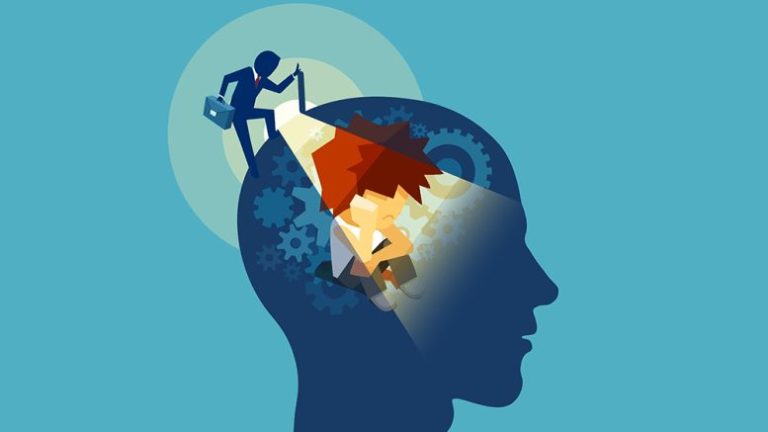

Change: Why don’t we like it?
Many people express reluctance towards change because familiarity provides comfort, stability, and a predictable sense of daily security. Furthermore, individuals often maintain established habits as they fear uncertainty, doubt their abilities, and worry about losing personal control. Recognizing these underlying emotions enables people to begin adopting healthier attitudes towards inevitable life changes.
Understanding Intrinsic and Extrinsic Motivations for Change
Zero Resistance Mindset and the Power of Intrinsic Change
When motivation comes from within, individuals are less fearful of change and more willing to embrace transformative opportunities wholeheartedly. Additionally, intrinsic motivation empowers people to pursue meaningful goals without external pressure, fostering resilience and genuine personal satisfaction throughout transitions. Moreover, choosing change autonomously enhances confidence, as individuals recognize the decision originates from their own values and aspirations. Furthermore, intrinsically motivated changes often lead to fulfilling life experiences that encourage growth, adaptability, and self-discovery beyond comfort zones. Therefore, deciding to quit a job and travel the world exemplifies the power of intrinsic motivation in creating profound change.
Zero Resistance Mindset in Embracing Life Changes
On the other side, imposed changes often feel disruptive and trigger resistance in daily routines. Additionally, these extrinsically motivated changes usually connect to external rewards or expectations rather than personal choice. Moreover, individuals tend to dislike them because they undermine autonomy and limit personal control over decisions. Furthermore, workplace examples include bosses enforcing changes without consultation, forcing employees to adapt quickly and unwillingly. Imposed changes highlight the challenges of adjusting routines when control is removed from individual hands.
Final Thoughts on Zero Resistance Mindset
To conclude, change creates growth for resilience and supporting personal development through life with confidence and clear purpose overall. Embracing intrinsic and extrinsic motivations helps individuals achieve progress while adapting to challenges effectively. Recognizing change as transformation enables individuals to reframe difficulties into opportunities for renewal and meaningful self-discovery.
Written by Esther
Esther is an assistant psychologist at Willingness. She works with adults and couples. In addition, she has a special interest in mental health. She can be contacted on [email protected].