Art Therapy: The cure behind the brush – Part 1 of 2
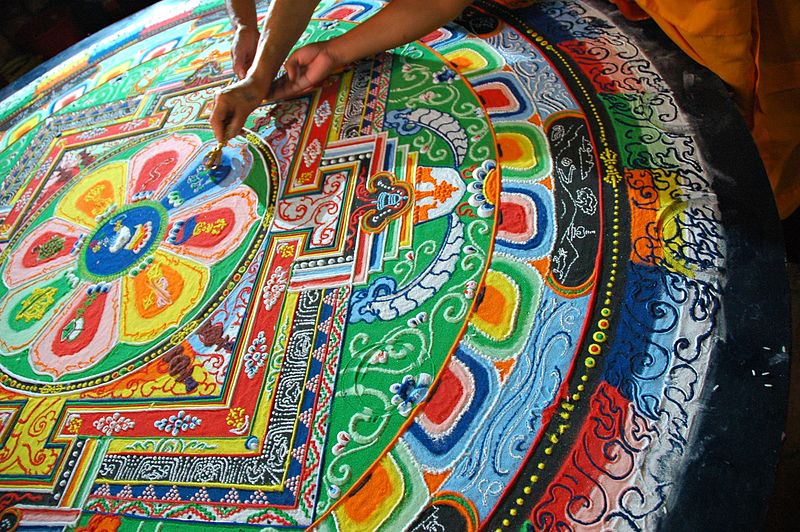
Today, art therapy is introduced as a creative psychotherapeutic approach that encourages free emotional expression through painting, drawing, or modelling. So, art therapy functions as psychotherapy by promoting self-expression while also offering diagnostic insight into emotions, behaviours, and psychological wellbeing. Even, though contemporary art therapy is relatively new, humans have historically used art for emotional expression and communication. Ultimately, art therapy combines creativity with clinical methods, serving as a powerful tool for healing, reflection, and improved mental health.
How Colourful Creative Expression Supports Psychotherapy
However, the first documented use of art as a therapeutic tool emerged during the 1940s, marking an important milestone. This decade established art therapy as a distinctive discipline, pioneered by Adrian Hill, a British author, artist, educator, and broadcaster. While recovering in a tuberculosis sanatorium, Hill encouraged fellow patients to engage in art projects as a healing activity. Such efforts reflected his belief that creative expression could alleviate suffering and foster resilience during long-term medical treatment. Importantly, Hill later discussed these pioneering experiences in his book Art Versus Illness, highlighting art’s therapeutic potential clearly. Eventually, his work inspired artist Edward Adamson, who further expanded the practice, shaping art therapy into a recognised discipline.
Colourful Creative Expression as a Non-Interventionist Approach
Firstly, Edward Adamson collaborated with Adrian Hill to bring art therapy into British mental hospitals, beginning at Netherne. Moreover, Adamson established a studio environment where patients freely created artwork without judgement, pressure, or external commentary. Additionally, his approach encouraged self-expression, prioritising creative freedom rather than structured psychological assessment or clinical evaluation. Therefore, this “non-interventionist” model empowered patients to explore emotions, communicate experiences, and find healing through artistic practice. At the end, Adamson’s pioneering vision cemented art therapy’s role in mental health care, emphasising expression over analysis.
Art Therapy’s Growth in the 20th Century
By the mid-20th century, hospitals and mental health facilities began integrating art therapy programmes into treatment plans. Many professionals observed that creative expression supported children’s emotional, developmental, and cognitive growth when conventional therapeutic methods proved insufficient. Moreover, evidence showed art therapy encouraged communication and self-expression, particularly among children struggling to articulate complex emotions verbally. Additionally, therapists discovered it enhanced assessment by revealing hidden struggles through artwork, offering valuable insights into psychological states. Therefore, art therapy gained recognition as an essential treatment complement for adults and children in various clinical settings. Ultimately, the discipline grew steadily, demonstrating its effectiveness as a holistic approach combining creativity with psychological care and emotional healing.
From Hospitals to Homes: Art Therapy’s Reach
While art therapy began in mental institutions, today therapists practise in diverse and accessible settings across communities. Moreover, outpatient facilities, schools, colleges, and universities increasingly integrate art therapy into their programmes to support wellbeing. Additionally, shelters, correctional institutions, and nursing homes rely on art therapy to provide structured emotional support. Furthermore, residential treatment centres and rehabilitation facilities employ art therapy for promoting healing and communication during recovery processes. Finally, many practitioners now offer art therapy in private practices, tailoring personalised sessions to meet individual client needs.
Colourful Creative Expression as a Path to Professional Growth
How does someone become an art therapist in the USA and enter this rewarding career path? Firstly, individuals must hold a bachelor’s degree before applying for a recognised master’s degree programme in art therapy. Then, applicants submit a portfolio showcasing their artistic skills, demonstrating creative ability and personal engagement with art. According to the American Art Therapy Association, students also need specified studio art and psychology coursework completed. Moreover, candidates must possess 18 semester hours of art studio and 12 semester hours of psychology. Typically, art therapy master’s degree programmes require around two years of full-time study and training. Ultimately, this structured education prepares professionals to practise confidently, blending creativity with psychology to support therapeutic growth.
The Value of Colourful Creative Expression in Professional Development
In the UK, aspiring art therapists must complete a postgraduate course approved by the British Association of Art Therapists. This qualification usually requires two years full-time study, or three years when completed part-time alongside other commitments. It is essential that applicants gain experience, either voluntary or paid, before pursuing their professional training journey. Such experience should involve education, mental health, or supporting individuals with special needs to strengthen practical understanding. Moreover, this preparatory work ensures students are better equipped to connect therapeutic practice with real-world challenges effectively. Therefore, UK art therapy training combines academic study with practical experience, ensuring competence and resilience within clinical settings. Finally, follow the next blog in this series exploring popular art therapy techniques and methods in greater detail.
Final Thoughts on Colourful Creative Expression
At the end, art therapy demonstrates how creativity promotes healing, self-discovery, and improved emotional wellbeing effectively. Moreover, colourful creative expression connects individuals with hidden emotions, enabling deeper understanding and stronger resilience. Additionally, professional training ensures therapists apply techniques responsibly, combining artistic freedom with psychological expertise. Therefore, integrating art therapy into healthcare broadens opportunities for holistic treatment and personal growth. Finally, continued exploration of these methods strengthens awareness, acceptance, and accessibility within modern therapeutic practice.
Sources
www.arttherapyjournal.org
www.study.com
www.telegraph.co.uk
www.americanarttherapyassociation.org
Written by Tiana Ivanovska
Tiana Ivanovska is a graduated Psychologist and Masters student on Strategic Management of HR, and is also a Gestalt therapist under supervision. She loves retro music, video games, nature and simplicity. She is participating in a summer internship programme at Willingness.com.mt.