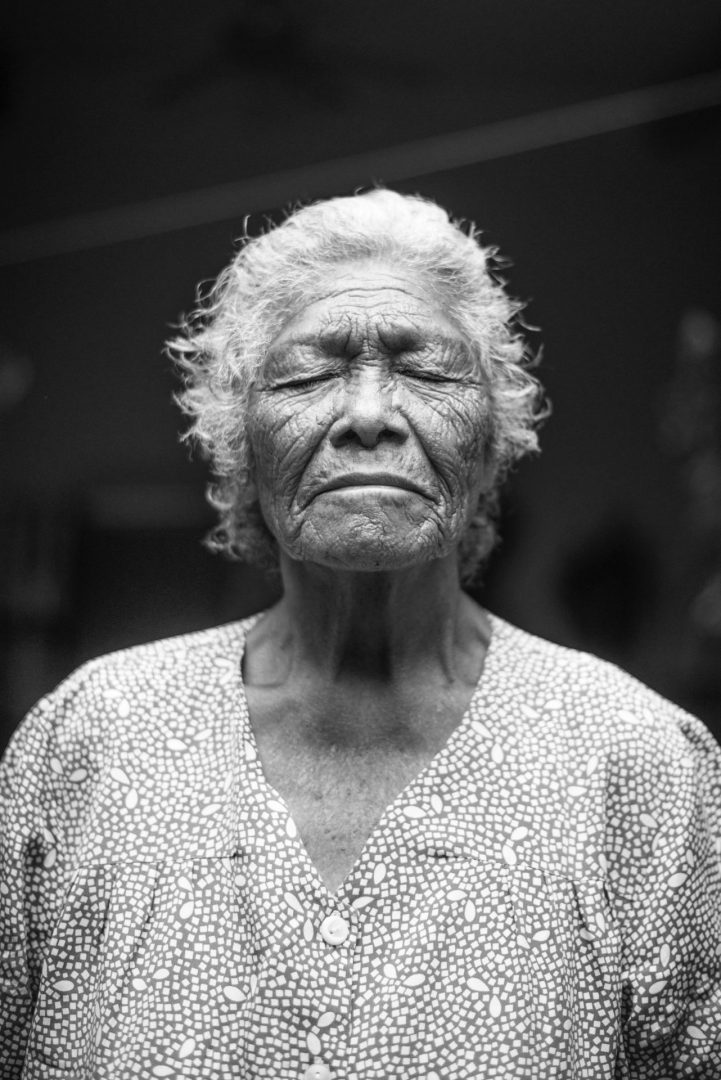

Who is the person suffering from Anorexia Nervosa?
Although often misunderstood, anorexia nervosa is not a chosen lifestyle but a severe mental illness affecting both physical and psychological health. Furthermore, individuals with anorexia experience an intense fear of gaining weight, leading them to severely restrict food intake despite dangerous consequences. Consequently, their bodies and brains are deprived of essential nutrients, risking serious health complications and even death without appropriate psychological and medical intervention.
How Diet Culture Fuels the Development of Anorexia Nervosa
This blog aims to raise awareness about anorexia nervosa as a serious and complex mental illness. Professionals in mental health can better support individuals by understanding the psychological and physical impacts of anorexia. Readers will gain insight into how fear, control, and body image issues contribute to disordered eating behaviours. Healthcare providers must recognise that treatment involves more than encouraging someone to simply eat more food. Ultimately, the article highlights early identification, compassionate care, and a multidisciplinary approach as essential components of effective anorexia recovery.
The Dangerous Influence of Diet Culture on Eating Disorders
Many individuals with anorexia nervosa engage in excessive exercise routines to compensate for their restricted food intake and calories. Others may feel compelled to burn calories immediately after eating, driven by overwhelming guilt and fear of weight gain. Some people prioritise exercise over rest, ignoring physical exhaustion and risking serious consequences such as injuries or health complications. Professionals often observe that this compulsive behaviour is linked to a desire for control and perfectionism in affected individuals. So recognising this harmful pattern is essential for providing holistic treatment that addresses both physical activity and disordered eating.
Understanding the Psychological Roots of Anorexia Nervosa
However, anorexia remains a deeply rooted mental illness that cannot be resolved by simply suggesting the person should eat more. Moreover, individuals struggling with anorexia often understand the need for nourishment but feel paralysed by an intense and irrational fear of food. Therefore, encouraging someone to eat without addressing their psychological distress may worsen their anxiety and reinforce feelings of shame or guilt. Effective treatment must involve professional support that acknowledges the emotional complexity behind restrictive eating behaviours and not just the visible symptoms.
Understanding the Hidden Struggles Behind Anorexia Nervosa
Many individuals with anorexia perceive themselves as overweight despite appearing visibly underweight to others around them. Women experience anorexia more frequently than men, especially during their adolescent and teenage years when body image issues intensify. Recently, more adult women in their 30s have also begun to show symptoms and receive diagnoses for anorexia nervosa. Others may fail to recognise the severity of their condition, believing their behaviours are normal or even healthy. Healthcare professionals must remain alert to subtle signs of anorexia, regardless of age, gender, or outward appearance.
Unpacking the Root Causes of Anorexia Nervosa
Recently, more men and even young children have begun developing anorexia nervosa, highlighting its growing prevalence across diverse groups. Consequently, this shift urges healthcare professionals to reassess stereotypes and improve early detection in non-traditional age and gender demographics. Additionally, the causes of anorexia nervosa remain complex, involving genetic, psychological, environmental, and social influences rather than a single identifiable factor. Therefore, effective treatment approaches must consider these varied causes to ensure tailored support for each individual affected by the condition.
How Diet Culture Contributes to the Rise of Eating Disorders
Experts agree that anorexia nervosa does not stem from a single cause but results from multiple influencing psychological and environmental factors. Personality traits such as perfectionism, low self-esteem, and high anxiety levels frequently contribute to an increased vulnerability to developing the condition. Family dynamics, including pressure to succeed or emotional neglect, may also play a role in triggering disordered eating behaviours. Cultural ideals promoting thinness and unrealistic beauty standards can significantly affect how individuals perceive their bodies and self-worth. Basically, understanding these interconnected causes is essential for delivering personalised, compassionate care and achieving long-term recovery outcomes.
The Role of Personality Traits in Anorexia Nervosa
Firstly, individuals with perfectionist tendencies often set unrealistically high standards, increasing their vulnerability to developing anorexia nervosa under stress or pressure. Moreover, those who struggle with chronic worry, anxiety, or low self-esteem may internalise negative self-perceptions that drive harmful eating behaviours. Additionally, traits such as obsessive thinking or compulsive habits can intensify control-seeking behaviours commonly seen in those with anorexia. Ultimately, recognising these psychological risk factors allows for more tailored and effective intervention when supporting individuals with disordered eating patterns.
Final Thoughts
To finish off, understanding anorexia nervosa requires recognising its complexity, psychological roots, and the need for compassionate, specialised care. Moreover, early intervention and increased awareness can greatly improve recovery outcomes and reduce long-term physical and emotional consequences. Therefore, mental health professionals must approach treatment holistically, considering each individual’s unique personality traits, background, and experiences. Continued education and societal change are essential to reduce stigma and support those affected by this life-threatening condition.
Diet Culture: Written by Carolyn Sultana
If you think that you can benefit from professional support on this issue you can reach out here.
Carolyn Sultana is a Women’s and Men’s Health Physiotherapist. She graduated as a physiotherapist from the University of Malta in 2004 and continued to gain a masters degree in Physiotherapy for Women’s Health at the University of Bradford in 2014. You can reach out to her on [email protected] or call us on 79291817.