
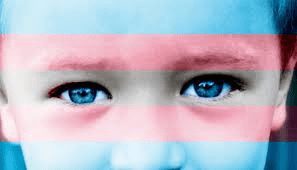
What is gender dysphoria in children?
Gender dysphoria develops from a mismatch between assigned birth gender and the affirmed gender a person identifies with internally. Furthermore, children experiencing this distress often feel confined within bodies that do not align with their true identity and expression. Without consistent emotional and social support, this distress may contribute to anxiety, depression, self-injury, and increased suicide risk among vulnerable children.
Recognizing Early Signs of Gender Dysphoria in Children
Research shows children with gender dysphoria experience a disconnect between assigned gender and their identified gender identity. Similarly, some children express their identity through strong preferences for clothing, toys, and activities aligned with their affirmed gender. Furthermore, these behaviors reflect consistent and genuine expressions of self rather than temporary or experimental phases during childhood development. Moreover, children may openly state they are another gender or expect to grow into their identified gender over time. Consequently, recognizing these signs early allows families to provide appropriate support, understanding, and affirmation during important developmental stages. Ultimately, this awareness helps professionals guide families in creating safe, validating environments that support children’s emotional wellbeing and identity development.
Understanding How Gender Dysphoria Can Emerge During Adolescence
Some children remain gender neutral, showing no preference for gender-specific roles or activities during early development. Additionally, once adolescence begins, they may strongly dislike their anatomy and desire sex characteristics aligned with their experienced gender. Consequently, this sudden shift in expression can often come as an overwhelming surprise to parents observing their child’s development. Furthermore, it becomes gender dysphoria only when such feelings cause distress or impair functioning across important life domains. Ultimately, recognizing these signs early enables parents and professionals to provide appropriate support and understanding during a child’s journey.
Gender Affirmation in the Diagnosis & Support of Gender Dysphoria
Moreover, young people experiencing six months of distress related to assigned gender may meet diagnostic criteria for gender dysphoria. Additionally, diagnosis requires incongruence between assigned and affirmed gender, alongside a desire to be recognised as another gender. Consequently, the individual must also experience significant distress impairing their ability to function at school, home, or social environments. Ultimately, doctors carefully rule out intersex or sexual development conditions before confirming a diagnosis of gender dysphoria.
Gender Affirmation & Supporting Adolescents Struggling with Identity & Mental Health
On the other hand, adolescents experiencing gender identity distress face increased risks of anxiety, depression, substance abuse, and even suicide when unsupported. Additionally, bullying or social exclusion can greatly intensify emotional struggles, leaving vulnerable teens feeling isolated and hopeless in daily life. Consequently, research highlights alarming statistics showing transgender males report suicide attempts exceeding fifty percent within studied groups of adolescents. Similarly, transgender females face significantly elevated risks, with nearly thirty percent admitting to having attempted suicide previously. Ultimately, these findings emphasise the urgent need for compassionate support, early intervention, and inclusive environments protecting adolescent mental health.
Final Thoughts
To conclude, taking gender dysphoria seriously ensures children feel respected, valued, and supported within their families and everyday environments. Additionally, acknowledging their feelings reduces fear of rejection while strengthening trust, communication, and emotional safety within close family relationships. A supportive environment encourages resilience, helping children build confidence and a secure sense of identity over time.
Gender Affirmation: Written by Mel McElhatton
Mel McElhatton holds a degree in Social Work from the University of Malta. With Willingness, Mel does life coaching and is one of the facilitators in the IRL – In Real Life team. They are also the producer of the radio show Niddiskutu s-Sess. They can be contacted on [email protected] or call us on 79291817.
References
Olson, K. R., Durwood, L., DeMeules, M., & McLaughlin, K. A. (2016). Mental health of transgender children who are supported in their identities. Pediatrics, 137(3), e20153223.
Mallon, G. P., & DeCrescenzo, T. (2006). Transgender children and youth: a child welfare practice perspective. Child welfare, 85(2).