Is Masturbation a sign of Sexual Abuse in children? – Part 2/2
I previously discussed how physical self-exploration in children can often be a normal developmental phase. However, it is equally important to understand that some sexual behaviours may indicate underlying emotional or psychological concerns. Therefore, recognising which behaviours fall outside typical development helps parents respond appropriately and seek professional guidance.
Many parents struggle to distinguish between normal childhood exploration and behaviours that may signal something more concerning. Clearly understanding the difference supports healthier communication, emotional safety, and appropriate boundaries within the family setting. Previously in PART 1, we explored how masturbation in children can sometimes be misunderstood or misinterpreted. Additionally, this blog continues to guide parents in identifying behaviours that may require further observation or professional intervention. Ultimately, the purpose is to empower families with accurate knowledge and compassionate tools to address sensitive issues confidently and respectfully.
Signs and Responses to Oppositional Behaviour
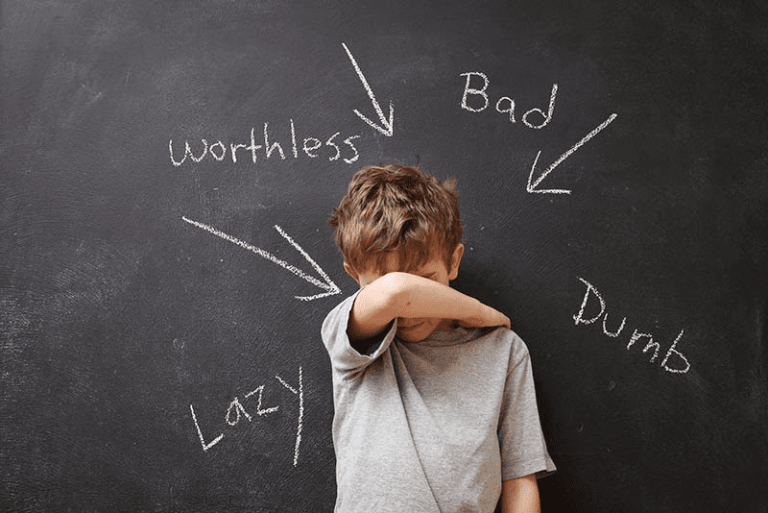
Firstly, it is essential to recognise that sexual abuse can deeply affect a child’s emotional development. Secondly, children may experience overwhelming stress that disrupts their behaviour, relationships, and overall sense of safety. Moreover, the trauma often leads to increased anxiety, withdrawal, or even oppositional reactions in certain situations. Consequently, these behaviours might be misunderstood by adults as defiance rather than signs of distress. Acknowledging this impact allows caregivers to respond with empathy, support, and appropriate professional guidance.
When a Child’s Behaviour Starts To Signal More
Naturally, such traumatic experiences will lead any child to exhibit a range of emotional responses and oppositional behaviour. Furthermore, professionals assessing suspected abuse typically examine a consistent cluster of behavioural, emotional, and developmental features. Long story short, recognising these patterns early allows parents and caregivers to seek the necessary support and intervention to safeguard the child’s wellbeing.
When Behaviour Reflects Deeper Emotional Struggles
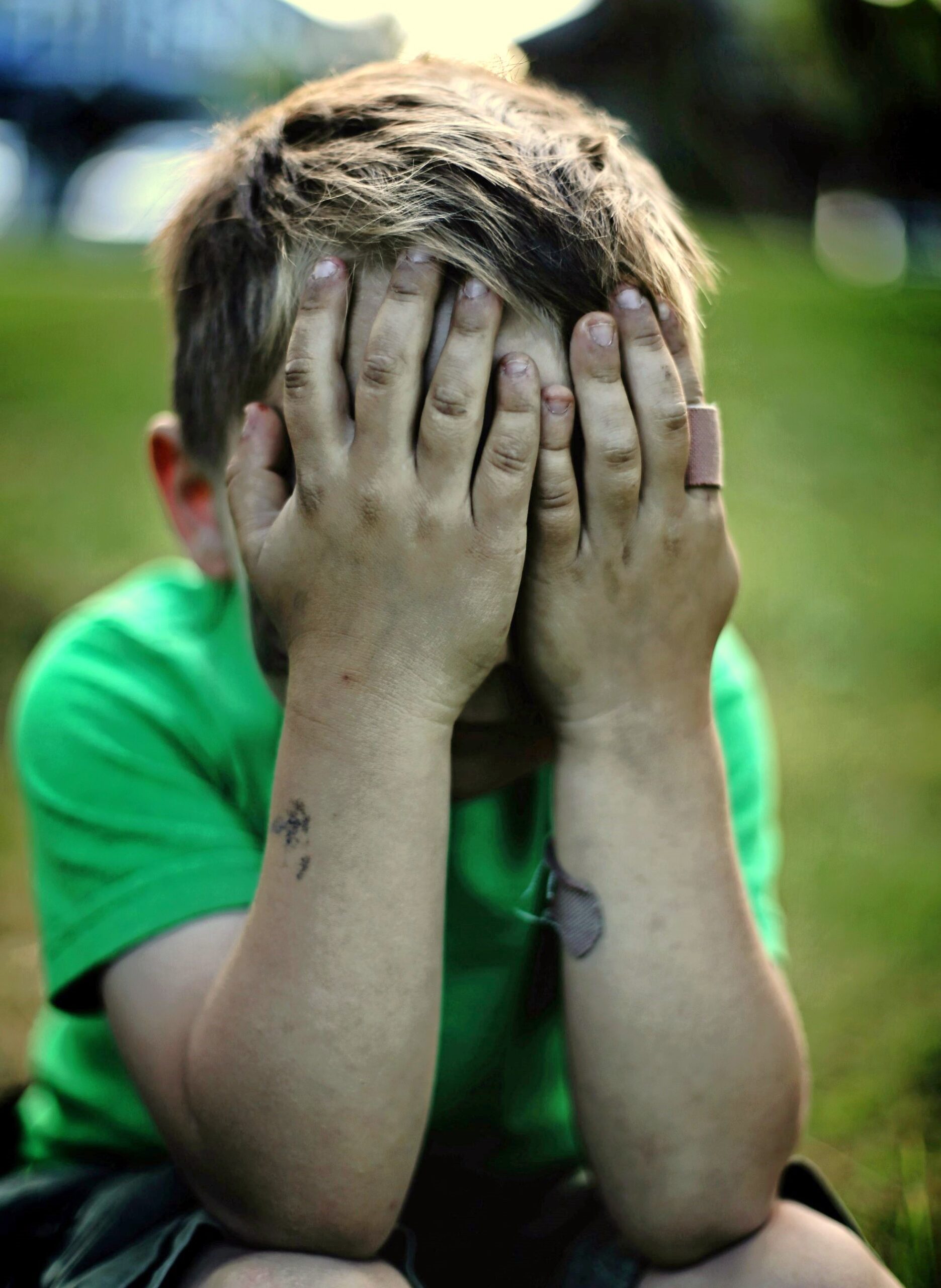
I certainly continue to affirm that masturbation alone does not automatically indicate a child has experienced sexual abuse. However, concerns arise when such behaviours are consistently paired with troubling emotions like shame, fear, sadness, or aggression. Therefore, understanding the emotional context behind the behaviour is essential for making accurate, compassionate, and informed observations. Professionals and caregivers must assess both the action itself and the feelings attached to it to ensure appropriate responses.
Managing Childhood Challenges Through Oppositional Behaviour
Occasionally, children engage in self-touching as a normal part of their physical and emotional development process. Sometimes, this exploration happens during passive activities like watching television without any harmful intent or consequence. However, serious concern arises when the child touches himself aggressively or causes physical harm during the act. Therefore, it becomes essential to evaluate not just the behaviour but also the emotion linked to that behaviour carefully. Ultimately, recognising emotional distress within such behaviours allows parents to intervene early and seek appropriate professional support if needed.
How Oppositional Behaviour Signals Deeper Issues
Children often internalise trauma responses, which then influence how they relate to themselves and others over time. Gradually, what begins as natural curiosity may shift into repetitive behaviours that feel compulsive or uncontrolled. Sometimes, a child’s interest in relationships or boundaries transforms into attempts to dominate or manipulate peers. These shifts suggest the child is struggling to process their experience and needs compassionate, professional support to heal.
Recognising Oppositional Behaviour in Traumatised Children
Naturally, most children respond to guidance by adjusting their behaviour, especially when it involves private actions in public settings. However, children who have experienced abuse may resist such boundaries and persist in behaviours despite adult instruction. Consequently, this resistance can be misunderstood as stubbornness, when in fact it reflects deeper emotional and psychological wounds. Basically, the impact of trauma extends even into play, where innocence may be replaced by confusion, tension, or inappropriate role-playing.
When Trauma Influences a Child’s Actions
Sometimes, children who have experienced trauma may coerce younger peers as a way to process their confusion and pain. Clearly, this behaviour goes beyond curiosity and may reflect deeper psychological distress requiring careful attention. Moreover, recognising these actions early can help prevent further harm and support healing for all children involved. Therefore, adults must respond with both firm boundaries and compassionate understanding to ensure everyone’s safety. Exploring such a complex issue fully demands thoughtful discussion that extends beyond the scope of one blog.
Final Thoughts on Oppositional Behaviour
To wrap up, no parent should feel alone when facing concerns about their child’s sexual or emotional behaviours. Thus, seeking guidance from a trusted professional can offer reassurance, clarity, and appropriate next steps. Additionally, open discussion allows families to respond with confidence, care, and the support their child may truly need.
Written by Steve Libreri
Steve Libreri is a social worker and parent coach within Willingness. He offers parent coaching and social work sessions. He can be contacted on [email protected].