
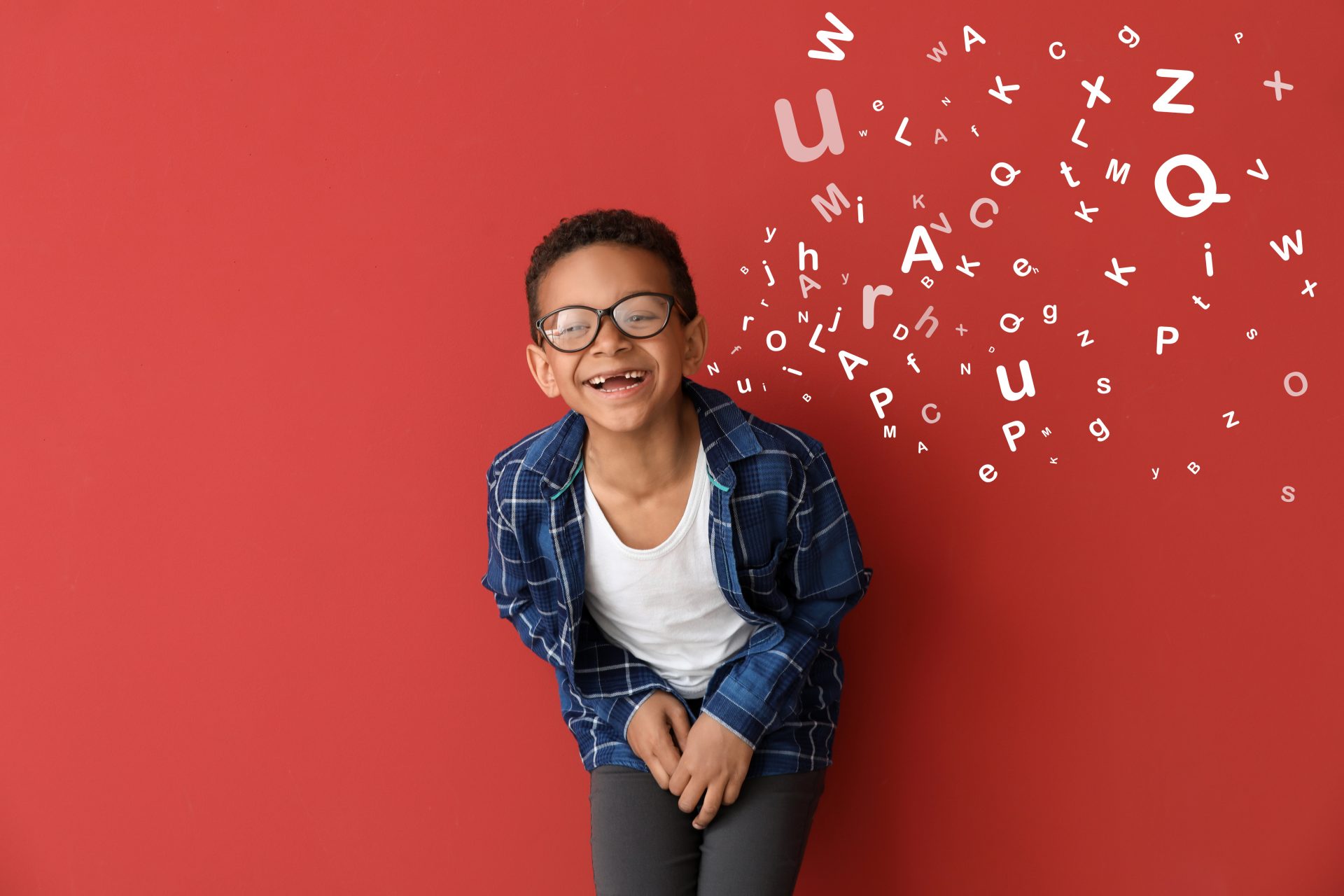
Do you tempt your child to communicate?
Language is a major milestone in child development, as children gradually learn sounds, words, language rules, and sentence structures. Moreover, communication grows through interaction and encouragement from caregivers responding to children’s attempts to express thoughts and needs. Parents can gently prompt conversation and create everyday opportunities that support confidence and steady language development.
Child Language Stimulation Through Communication Temptations
Firstly, parents encourage communication through communication temptations that prompt children to express needs using words or gestures. Additionally, these strategies teach children that communication brings helpful responses which satisfy their immediate needs and desires. Sometimes, children rely on parents anticipating needs, which can unintentionally delay their motivation to attempt verbal communication. Therefore, caregivers can create small situations where children must communicate before receiving an object, activity, or assistance. Importantly, these moments encourage children to practice language and recognize the value of expressing themselves clearly. If you want practical examples and insights, continue reading to discover how communication temptations support development.
Child Language Stimulation in Early Communication Development
Crying serves as an infant’s earliest form of communication, signaling discomfort, hunger, tiredness, or the need for comfort and reassurance from attentive caregivers. Subsequently, babies begin using eye-gaze, facial expressions, and shared attention to capture interest and engage caregivers during everyday interactions and playful moments. Gradually, pointing and simple gestures emerge, allowing the child to intentionally direct a caregiver’s attention towards objects, needs, interests, or experiences within their environment.
Why Encouraging Early Communication Matters
Some children experience difficulties developing verbal production, therefore caregivers are often encouraged to gently ‘tease’ communication to motivate expressive attempts. Moreover, communication temptations involve small, playful situations where the child must initiate interaction before receiving help, objects, or desired activities. For example, a caregiver may pause during a routine, hold a toy briefly, or wait expectantly to encourage the child to communicate. Consequently, these simple strategies create natural opportunities for language learning while supporting the child’s confidence in expressing needs and intentions:
1) A Small Amount First
Wait with an expectant look and carefully observe how the child reacts after receiving only a small amount of the preferred item. Additionally, model the word “more” or clearly say the object’s name, then pause patiently to encourage the child to attempt imitation, vocalization, or simple interaction. If verbal production is absent, caregivers may introduce a simple sign, supporting visual understanding while reinforcing communication attempts and gradually building confidence in expression.
2) Guess What Is Missing Game
Give the child an object or food item missing a component, such as yoghurt without a spoon or a cup without juice. Then, calmly wait for the child’s reaction and observe carefully whether they notice that an important part of the activity is missing. If the child points, looks, or gestures to indicate the missing item, clearly name the object and model the correct word. Gradually, repeat this playful strategy during everyday routines so the child begins connecting spoken words with objects and familiar experiences. Additionally, encourage the child gently by pausing and giving them time to attempt communication before offering help. Consequently, this interaction encourages children to initiate communication while increasing their exposure to meaningful vocabulary used in daily routines.
3) Child Language Stimulation Through Predictable Language
Use predictable language routines such as “ready, steady, go” or familiar rhymes during playful interactions and everyday activities with the child. Next, repeat these phrases regularly so the child begins recognising patterns, anticipating the final word, and feeling confident participating. Then, start the phrase and pause deliberately, giving the child time and opportunity to continue the familiar words independently. Watch expectantly and model the first sound gently if needed, encouraging the child until their word use becomes more consistent.
4) Child Language Stimulation Using Wind-Up Toys
Wind-up toys encourage communication because children quickly become motivated to interact when they want the toy activated again. Additionally, adults can model simple words such as “help”, “more”, or the toy’s name while maintaining eye contact and playful engagement. Then, the adult winds the toy several times to build anticipation, excitement, and curiosity during the shared play experience. Afterwards, the adult pauses intentionally and waits patiently, giving the child time and space to attempt communication or gestures. Meanwhile, the child gradually learns that expressing a need or request can influence what happens next during the activity. Finally, this playful interaction strengthens the child’s confidence and encourages clearer attempts to communicate needs, intentions, and interests during everyday play.
Overall Effects on Children’s Communication Development
Children learn verbal language gradually through repeated interactions, listening experiences, and meaningful communication with attentive caregivers in everyday situations. Moreover, these strategies emphasize the importance of communication exchange rather than immediately giving the child the desired object or item. Consequently, the child begins to recognize that expressing needs, interests, and intentions plays an important role in achieving desired outcomes. However, when adults consistently anticipate needs or respond too quickly, children may rely less on verbal attempts to express themselves clearly. Gently teasing communication creates valuable learning opportunities that encourage children to practice, explore, and strengthen their developing communication skills.
Final Thoughts on Child Language Stimulation
To close off, supporting children’s communication development requires patience and everyday opportunities that encourage them to express needs independently. Moreover, communication temptations create simple situations where children recognize the value of meaningful interaction. Consistent encouragement helps children build confidence and develop stronger language and communication skills.
Written by Kirby Cutajar
If you think that you can benefit from professional support on this issue you can reach out here.
Kirby Cutajar is a qualified speech and language pathologist with Willingness. She works with clients of all ages with communication challenges due to developmental delays and disabilities.
References
Raising Children Network (Australia) (2023). Language development in children: 0-8 years. Retrieved from https://raisingchildren.net.au/babies/development/language-development/language-development-0-8#:~:text=Language%20development%20starts%20with%20sounds,is%20good%20for%20language%20development.
Sherred, L. (2021). How can communication temptations help your child talk? https://www.expressable.com/learning-center/babies-and-toddlers/how-can-communication-temptations-help-your-child-talk