10 Reasons Why You Should Teach your Kids to Ride a Bike
Malta’s countryside offers pleasant cycling routes where families enjoy outdoor activity while children build confidence and independence. Moreover, learning to ride a bike strengthens coordination, promotes physical activity, and supports children’s emotional wellbeing. Teaching children to cycle creates meaningful family moments while encouraging healthier and more active lifestyles.
1) Outdoor Bike Practice: A Skill for Life
Teaching children to ride a bicycle shows them that persistence and effort can lead to meaningful success, confidence, and valuable personal growth. Additionally, learning this skill requires patience, encouragement, and thoughtful strategies that gently guide children through small but important challenges. Gradually, children build confidence as they practice balancing, pedaling, steering, and recognizing their progress with each new attempt. Consequently, this accomplishment strengthens their belief that perseverance helps them overcome difficulties and achieve personal goals with increasing independence. Ultimately, both parents and children experience a shared sense of pride, joy, and lasting achievement after reaching this meaningful milestone together.
2) Outdoor Bike Practice: It Is About Quality Time Together
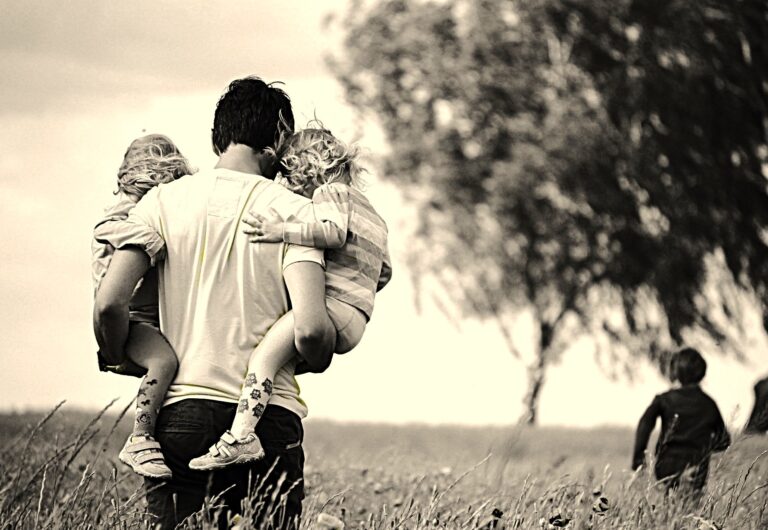
Learning to ride a bike requires patience and encouragement, as children gradually build confidence and balance through practice. Moreover, parents can support them by offering reassurance, helping them stand again after falls, and celebrating small achievements together. Additionally, these shared moments allow children to learn important values such as persistence, patience, and encouragement from supportive caregivers. Consequently, family bike rides become meaningful opportunities to enjoy outdoor time together while strengthening family connections across different ages.
3) Boosting Balance, Strength, and Coordination Through Cycling
Once children learn to ride a bike, they confidently apply these skills to many sports and everyday activities. Moreover, cycling helps children develop balance, coordination, strength, and body awareness through enjoyable movement and regular outdoor physical activity. Additionally, riding a bicycle encourages children to engage their whole body while maintaining stability, focus, and direction. Consequently, children strengthen muscles, improve posture, and gradually develop stronger balance during frequent cycling experiences outdoors. Furthermore, cycling challenges children to coordinate movements between arms, legs, and body while maintaining steady direction and control. This enjoyable activity supports children’s physical development while helping exercise become a natural, rewarding, and enjoyable part of everyday play.
4) Lifting Mood Through Cycling
Both learning and mastering cycling stimulate the release of endorphins and dopamine, which naturally improve mood and emotional wellbeing in children. Moreover, these happiness hormones help children feel more confident, energised, and motivated during daily activities and social interactions. An improved mood can support better concentration, encouraging children to stay more focused and productive during school learning and classroom tasks.
5) It is a lesson in taking responsibility
Teaching children to ride a bike allows them to experience the responsibility of owning and caring for their first vehicle. Moreover, children gradually understand the importance of maintaining something valuable through regular care, attention, and responsible daily behavior. Consequently, this experience encourages appreciation for personal belongings and helps develop a strong sense of responsibility from an early age. These early lessons can positively influence how children approach responsibility, ownership, and care in other areas of life.
6) Outdoor Bike Practice: It’s Environmentally Friendly
Riding a bicycle protects the environment because it produces no pollution while encouraging children to appreciate nature and their surroundings. Additionally, cycling encourages children to spend more time outdoors where they can enjoy fresh air, sunlight, movement, and explore the environment around them. Furthermore, this activity reduces time spent indoors using screens and promotes healthier daily habits through enjoyable physical movement. Meanwhile, parents can use cycling moments to teach children about caring for their environment, respecting nature, and valuing outdoor experiences. Finally, learning to ride a bike helps children understand how everyday choices can positively influence both their personal health and the planet.
7) It gives a sense of independence
Once children learn cycling skills, they gain freedom to travel short distances independently within safe neighborhood environments and familiar community spaces. Additionally, cycling allows children to visit friends, explore their surroundings, and gradually develop confidence in managing small daily journeys independently. Moreover, children who ride bikes regularly experience greater independence and begin trusting their abilities to move around safely. Consequently, parents often notice children becoming more responsible and aware of their surroundings when they practice travelling independently using bicycles. These experiences help children value independence while strengthening confidence, decision-making skills, and awareness of their surrounding environment.
8) It helps to socialize and improve communication skills.
Teaching children to ride a bike encourages communication because they naturally ask questions and seek reassurance while learning new skills. Additionally, parents guide children through clear instructions, helping them understand balance, direction, safety rules, and confidence during each stage of learning. Gradually, children gain independence and start riding on their own while still communicating their needs, questions, and excitement. Later, children riding with friends practice social skills as they interact, cooperate, and communicate during shared outdoor cycling adventures. Cycling encourages children to ask for directions, listen carefully to others, and confidently engage with people during everyday outdoor activities.
9) It prepares kids for participation in traffic
As children grow older, they will participate in traffic through cycling, motorbikes, or eventually driving cars on public roads. Moreover, learning to ride a bicycle introduces children to basic traffic awareness, road safety habits, and the importance of following simple rules. Consequently, these early cycling experiences help children develop responsibility, attentiveness, and confidence, preparing them to navigate traffic situations more safely and responsibly in the future.
10) Outdoor Bike Practice for Children’s Safety and Confidence
Teaching children to ride a bike helps them understand the importance of personal safety and responsibility during outdoor activities. Additionally, children learn to wear helmets and protective equipment, which helps prevent injuries and encourages safer cycling habits. Gradually, they begin to understand how careful riding protects not only themselves but also other people sharing paths, parks, or roads. Furthermore, practising safe cycling teaches children awareness, patience, and responsibility when navigating different environments, obstacles, and traffic situations. These valuable lessons extend beyond cycling and positively influence how children approach safety, responsibility, and thoughtful decision-making in other areas of life.
Final Thoughts
To wrap up, cycling offers children valuable opportunities to strengthen physical fitness while enjoying meaningful time outdoors with family. Moreover, learning to ride a bike supports confidence, independence, coordination, and emotional wellbeing through engaging and active experiences. Encouraging children to cycle regularly contributes positively to their overall development, promoting balanced lifestyles.
Outdoor Bike Practice: Written by Franziska Richter
If you think that you can benefit from professional support on this issue you can reach out here.
Franziska Richter is a transcultural counsellor with the Willingness Team, offering counselling sessions to individuals and couples. She is particularly interested in sexuality, relationship issues, trauma, emotional wellbeing, and general mental health.