
How much do you know about Dementia? – Part 2 of 2
Building from PART 1, this blog explores vascular dementia, highlighting key differences and helping readers better understand this condition within dementia. It is essential to remember that dementia is not a normal part of ageing, requiring support and early intervention. Ultimately, spreading awareness about vascular dementia enables individuals and families to respond effectively, fostering reassurance rather than fear after diagnosis.
Dementia Care Advice for Supporting Individuals
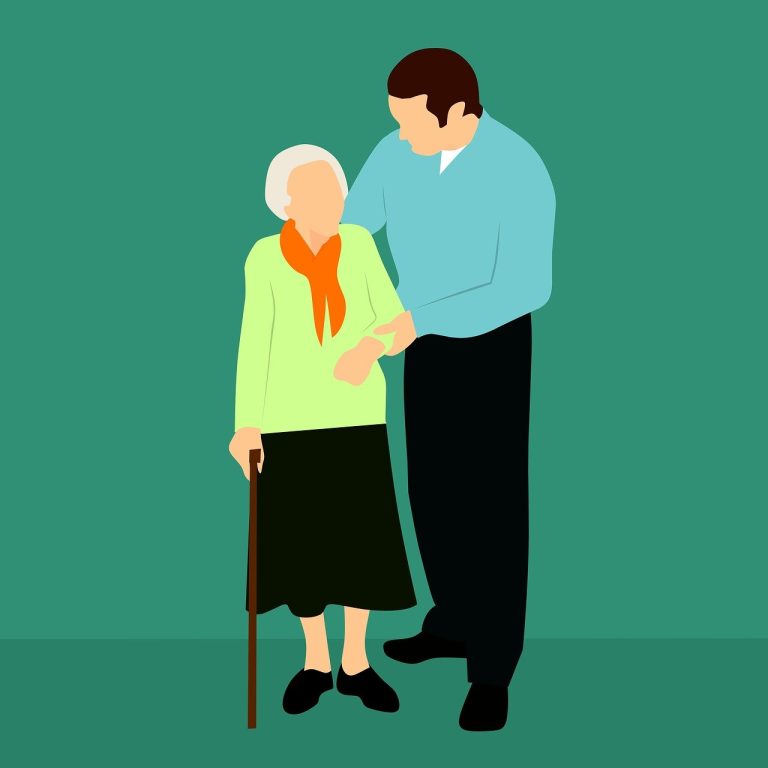
We can support individuals with dementia by offering patience, understanding, and consistent emotional reassurance during daily interactions. Additionally, caregivers can create structured routines that help individuals feel secure, reducing confusion and promoting a sense of stability. Moreover, we should communicate clearly and calmly, using simple language to ensure individuals understand and feel respected at all times. Equally, families can encourage independence by supporting small daily tasks, helping individuals maintain dignity and confidence in their abilities. Furthermore, professionals can provide tailored therapeutic interventions that address emotional wellbeing, behavioral changes, and cognitive challenges associated with dementia. Raising awareness within communities ensures individuals receive compassionate support, reducing stigma and encouraging earlier help-seeking behaviors.
Dementia Care Advice in Daily Practice
Vascular dementia is the second most common form of dementia, often linked to reduced blood flow within the brain. Additionally, this condition can develop following a stroke, where blood supply interruption causes damage to brain cells and functions. Moreover, symptoms of vascular dementia can vary significantly between individuals, depending on which specific brain areas have been affected. Recognizing these differences is essential for providing appropriate support, understanding progression, and responding effectively to individual needs.
Questions Around Supporting People with Dementia
Symptoms may decline abruptly after a stroke, as reduced blood flow directly affects brain function and overall cognitive abilities. However, individuals may experience milder symptoms than Alzheimer’s disease, allowing them to retain certain cognitive functions for longer periods. Encouragingly, individuals with vascular dementia often show less severe forgetfulness, enabling caregivers to support memory through simple and effective cues. Practically, caregivers can remind individuals using first letters of names, helping trigger recall, improve engagement, and maintain confidence during daily interactions.
Improving Support for Individuals with Dementia
Given that vascular dementia affects individuals differently, it is essential to seek professional support to ensure tailored care and appropriate interventions are provided effectively. Furthermore, professional support may include gerontologists, health psychologists, geriatricians, or general practitioners, all contributing specialized knowledge to support individuals living with dementia. Additionally, helpful interventions include cognitive stimulation therapy, movement groups, and reminiscence groups, which aim to enhance cognitive functioning and physical wellbeing in individuals.
Dementia Care Advice for Better Daily Care
Importantly, individuals can support people with dementia by showing patience, understanding, and empathy during everyday interactions and communication situations. Additionally, we can listen actively and respond calmly, helping individuals feel valued, respected, and more comfortable expressing themselves openly. Moreover, offering reassurance during moments of confusion can reduce anxiety and help individuals regain a sense of control and stability. Equally, we can encourage participation in simple activities, promoting independence while maintaining dignity and supporting overall emotional and cognitive wellbeing. Educating ourselves about dementia allows us to respond appropriately, challenge stigma, and create more supportive and inclusive communities. Here are some tips to help people with dementia:
- Make sure to catch the person’s attention.
- State your message clearly in an understandable tone.
- Repeat if necessary.
- Use cues and help them arrive at an answer on their own when asked a question rather than speaking for them.
- Respond with empathy, effectiveness and reassurance.
- Break down activities in a series of steps.
- Be attentive and smile to them.
- Enter their world, live their moment with them.
- Use humor and show understanding.
Your Role in Supporting People with Dementia
As a carer or acquaintance, you should familiarize yourself with available information to better understand and support individuals with dementia. Additionally, educating yourself about the condition enables you to respond appropriately, offering meaningful support tailored to each individual’s unique needs. Moreover, learning practical strategies helps you communicate effectively, reducing confusion and promoting a sense of reassurance during challenging situations. Equally, raising awareness encourages others to understand dementia better, helping to create more inclusive, supportive, and compassionate communities for individuals affected. These blogs aim to challenge stigma, promote understanding, and empower readers to approach dementia with confidence, empathy, and informed supportive actions.
Final Thoughts
To wrap up here, understanding dementia helps individuals respond with empathy and provide meaningful support to those affected in their daily lives. Additionally, recognizing that a diagnosis is not the end encourages hope, helping individuals and families cope more confidently. Finally, raising awareness reduces stigma and supports communities in creating more compassionate environments for individuals living with dementia.
Dementia Care Advice: Written by Danica Cassar
If you think that you can benefit from professional support on this issue you can reach out here.
Danica Cassar is a Health Psychology Practitioner. She graduated with a Bachelor of Psychology Honours from the University of Malta. In addition, she obtained a Master of Science in Health Psychology from the University of Bath. She can be contacted on [email protected] or call us on 79291817.