
Drugs and Sex – Is it a good match?
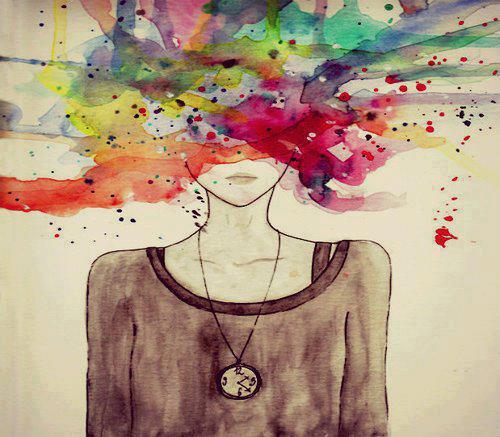
Research shows younger people increasingly combine alcohol or drugs with sex, often believing it enhances emotional connection. Consequently, substances such as cannabis, MDMA and cocaine are frequently used before intimacy despite potential psychological consequences. Furthermore, this growing behavior affects men and women across all sexual orientations, raising concerns regarding consent and wellbeing.
Alcohol and Intimacy: Understanding the Risks and Realities
Many individuals combine alcohol or drugs with sexual experiences believing substances increase confidence, pleasure, relaxation and emotional intimacy significantly. Additionally, recreational substances can temporarily lower inhibitions, helping people feel socially confident, adventurous and emotionally connected during intimacy with partners. Meanwhile, drugs including cannabis and MDMA may heighten physical sensations, causing sexual encounters to feel intensely pleasurable emotionally for users. However, combining substances with sex may impair judgement, reduce communication and increase dangerous behaviors during vulnerable intimate situations for participants. Understanding both advantages and consequences allows individuals to make informed decisions regarding substance use, consent and wellbeing within relationships.
Alcohol and Intimacy: How Alcohol Affects Sexual Experiences
Many people meet for drinks during dates because alcohol helps reduce tension and encourages relaxed social conversations naturally. Additionally, some individuals feel more confident and physically attractive after drinking alcohol, making intimate interactions appear emotionally easier for them. However, moderate alcohol consumption may lower inhibitions significantly, increasing the likelihood of risky decisions and unwanted sexual experiences afterwards. Alcohol can impair judgement and communication, meaning individuals may become legally incapable of providing informed sexual consent.
Overcoming Risks: Alcohol, Consent and Sexual Decisions
Research shows approximately half of sexual assaults involve alcohol consumption by the perpetrator, victim, or both individuals involved together. Furthermore, alcohol frequently impairs judgement, communication and boundaries, increasing vulnerability during intimate situations and reducing awareness considerably afterwards. However, intoxication never excuses abusive behaviour, and individuals remain fully responsible for respecting consent and personal boundaries during interactions. Ultimately, promoting awareness surrounding alcohol and intimacy helps encourage safer relationships, healthier decisions and greater protection for vulnerable individuals.
Exploring Effects: Alcohol and Physical Sexual Health
Alcohol affects physical sexual functioning by reducing sensitivity, slowing arousal responses and interfering with natural lubrication during intimate experiences. Consequently, some women experience reduced vaginal moisture, while men may struggle maintaining erections or achieving satisfactory sexual performance consistently. Alcohol generally dampens sexual responsiveness overall, making intimate experiences feel less pleasurable, emotionally connected and physically satisfying for individuals.
Exploring Experiences: Cannabis/Marijuana and Sexual Behavior
Firstly, cannabis affects sexual experiences differently depending on dosage, frequency and individual psychological responses during intimate situations overall. Additionally, smaller cannabis doses may increase relaxation and pleasure, while heavier use often reduces sexual interest and satisfaction considerably. Meanwhile, research suggests marijuana users report higher sexual frequency compared with individuals who have never previously consumed cannabis. Furthermore, women commonly report enhanced desire and stronger orgasms, although men frequently experience erectile difficulties following regular cannabis consumption. Chronic marijuana use may negatively affect fertility, energy levels and emotional motivation towards maintaining healthy intimate relationships consistently.
Alcohol and Intimacy: MDMA, Emotional Connection and Sexual Experiences
Some studies suggest Ecstasy may enhance orgasm quality and increase physical sensitivity during intimate experiences for certain individuals temporarily. Furthermore, participants commonly report stronger emotional closeness, affection and sensual connection rather than heightened sexual desire following Ecstasy consumption socially. However, research involving gay and bisexual men associates Ecstasy use with increased sexual risk-taking and potentially harmful intimate behaviors overall.
Alcohol and Intimacy: Understanding Cocaine
Infrequent cocaine use may temporarily increase sexual desire by boosting confidence, energy levels and emotional excitement during intimacy. Additionally, some individuals report heightened arousal and impulsive behaviour after cocaine use, particularly within social or sexually charged environments. However, research consistently links cocaine use with increased sexual risk-taking, including unprotected intercourse and reduced awareness surrounding consent. Furthermore, studies have identified significantly higher HIV prevalence rates among cocaine users compared with wider national population averages internationally. Repeated cocaine use may negatively affect emotional wellbeing, relationship stability and long-term sexual health outcomes for individuals.
Final Thoughts on Alcohol and Intimacy
To wrap up here, research highlights negative effects linked with chronic drug use, particularly regarding sexual functioning and emotional wellbeing. Consequently, substance use may impair judgement, reduce responsiveness and increase vulnerability during intimate experiences regularly. Remaining sober often encourages authentic intimacy and even naturally fulfilling sexual experiences without harmful consequences.
Written by Elissa Killiana
Elissa Killiana is an intern working with the Willingness Hub. She’s in her last year of clinical psychology in Vienna. Her interests are everything related to gender, sexuality and relationships.
References: Alcohol and Sexual Behavior
Abbey, A., Zawacki, T., Buck, P. O., Clinton, A. M., & McAuslan, P. (2004). Sexual assault and alcohol consumption.
McKay, A. (2005). Sexuality and substance use.
Sumnall, H. R., Beynon, C. M., Conchie, S. M., Riley, S. C. E., & Cole, J. C. (2007). Sex after alcohol or drug intoxication.
Palamar, J. J., Griffin-Tomas, M., Acosta, P., Ompad, D. C., & Cleland, C. M. (2018). Sexual effects of alcohol, marijuana and ecstasy.
References: Cannabis and Intimacy
Balon, R. (2017). Cannabis and Sexuality.
Lynn, B. K., López, J. D., Miller, C., Thompson, J., & Campian, E. C. (2019). Marijuana use prior to sex and sexual function in women.
Sun, A. J., & Eisenberg, M. L. (2017). Marijuana use and sexual frequency.
External References
https://www.liveabout.com/sex-and-marijuana-2982952
References: MDMA and Ecstasy
Baylen, C. A., & Rosenberg, H. (2006). Acute subjective effects of MDMA/ecstasy.
Kennedy, K. E., Grov, C., & Parsons, J. T. (2010). Ecstasy and sex among young heterosexual women.
Klitzman, R. L., Pope Jr, H. G., & Hudson, J. I. (2000). MDMA abuse and high-risk sexual behaviours.
References: Cocaine and Sexual Risk
Bux, D. A., Lamb, R. J., & Iguchi, M. Y. (1995). Cocaine use and HIV risk behaviour.
Edlin, B. R., Irwin, K. L., Faruque, S., et al. (1994). Crack cocaine use and HIV infection.
Edwards, J. M., Halpern, C. T., & Wechsberg, W. M. (2006). Sex for drugs or money among women using crack cocaine.
Grella, C. E., Anglin, M. D., & Wugalter, S. E. (1995). Cocaine and crack use among high-risk clients.
Hoffman, J. A., Klein, H., Eber, M., & Crosby, H. (2000). Crack use and HIV-related sexual risks.
Joe, G. W., & Simpson, D. D. (1995). HIV risks and cocaine use among opiate users.
References: HIV, Consent and Sexual Health
Booth, R. E., Watters, J. K., & Chitwood, D. D. (1993). HIV risk-related sexual behaviours.
Booth, R. E., Kwiatkowski, C. F., & Chitwood, D. D. (2000). Sex-related HIV risk behaviours.
Hall, H. I., An, Q., Tang, T., et al. (2015). Diagnosed and undiagnosed HIV infection.
McCoy, C. B., Lai, S., Metsch, L. R., Messiah, S. E., & Zhao, W. (2004). Injection drug use and HIV infection.
Strathdee, S. A., & Sherman, S. G. (2003). Sexual transmission of HIV among drug users.
Lawn, W., Aldridge, A., Xia, R., & Winstock, A. R. (2019). Substance-linked sex across sexual orientations.
Additional Educational Resources
https://www.refinery29.com/en-us/how-alcohol-affects-your-sex-life