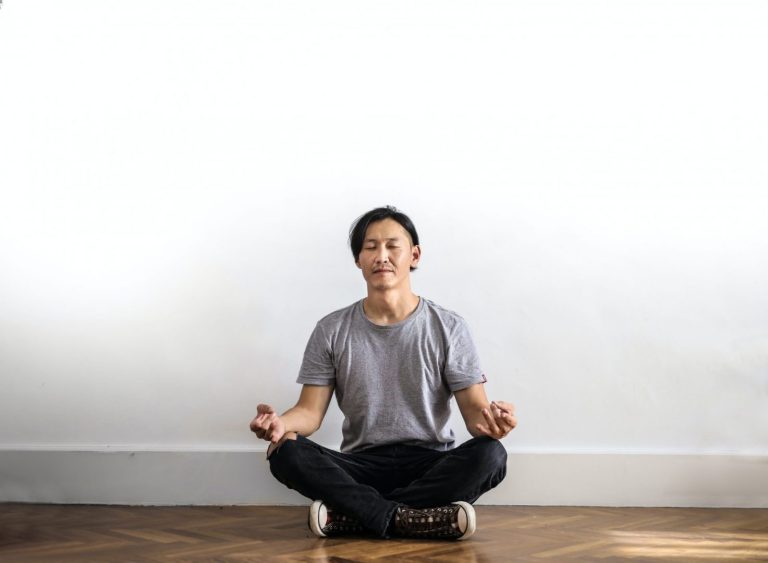

The feeling of loneliness 1/3
Loneliness represents one of humanity’s deepest dreads, creating feelings of painful separateness that many individuals experience or fear throughout different stages of their lives. Moreover, people often discover loneliness is an unpleasant emotional response occurring not only in solitude but also during crowded moments surrounded by friends, colleagues, or even family members. Therefore, experiencing loneliness reveals its complexity, highlighting how being physically accompanied does not necessarily prevent individuals from feeling emotionally disconnected, isolated, and weighed down internally.
Understanding the Experience of Loneliness
This blog aims to explore emotional loneliness, offering insights into its impact and strategies for healthier coping mechanisms. Moreover, it highlights the importance of distinguishing loneliness from aloneness, encouraging readers to embrace solitude without fear or stigma. Therefore, readers gain practical understanding of how self-reflection supports growth, resilience, and deeper emotional awareness in daily life. Additionally, this blog provides guidance on transforming loneliness into opportunities for personal development and stronger connections with others. The purpose is to empower individuals with knowledge and tools that promote wellbeing and healthier relationships overall.
The Difference Between Aloneness and Loneliness
Many people experience loneliness despite maintaining busy schedules surrounded by supportive family, colleagues, and friends, showing external activity does not prevent emotional isolation. However, some individuals spend significant time alone without experiencing loneliness, highlighting solitude can serve different roles within people’s lives. Therefore, distinguishing between aloneness and loneliness becomes essential for understanding emotional wellbeing and developing healthier approaches to time spent alone. Moreover, aloneness describes voluntary privacy or withdrawal, offering opportunities for personal growth, reflection, and independence rather than emotional suffering. So reframing solitude as distinct from loneliness empowers individuals to embrace independence, cultivate self-awareness, and foster emotional resilience.
Exploring Emotional Loneliness and the Value of Aloneness
Moreover, aloneness does not equate to loneliness because solitude often provides peace, clarity, and opportunities for meaningful growth. Therefore, recognising this difference allows individuals to embrace solitude as beneficial instead of perceiving it negatively. Ultimately, appreciating aloneness as distinct from loneliness encourages independence, self-reflection, and healthier approaches to emotional wellbeing overall. Additionally, solitude enables people to explore personal interests, develop resilience, and strengthen connections with their authentic selves. Consequently, reframing aloneness positively empowers individuals to nurture balanced lifestyles with improved mental health and stronger inner stability.
Exploring Emotional Loneliness in a Culture That Misunderstands Solitude
In our busy, extroverted culture, people often wrongly classify solitude and aloneness together, viewing them negatively. Yet solitude differs significantly from loneliness, offering opportunities for fulfilment, reflection, and personal growth when embraced intentionally. Moreover, many individuals happily choose solitude as a lifestyle, valuing independence and freedom it provides. Additionally, hobbies and creative pursuits done alone offer deep contentment, strengthening self-awareness and emotional wellbeing. Recognising solitude as beneficial empowers individuals to appreciate alone time as nourishing rather than isolating.
Exploring Emotional Loneliness Through the Practice of Solitude
If you constantly seek others to avoid inner loneliness, practising comfort in solitude becomes an essential skill. Moreover, spending time alone may involve confronting emotions that relentless socialising habitually suppresses. Therefore, solitude creates opportunities for deeper reflection, self-awareness, and the discovery of personal strengths and aspirations. Additionally, choosing intentional alone time fosters resilience by encouraging individuals to embrace independence rather than fearing isolation. Furthermore, solitude allows people to focus on authenticity, clarifying personal values and life goals more clearly. Ultimately, learning to feel relaxed in one’s own company strengthens wellbeing, confidence, and healthier long-term relationships.
Final Thoughts on Exploring Emotional Loneliness
To finish off, exploring emotional loneliness provides valuable insight into human experiences and supports healthier emotional growth. Moreover, recognising the difference between aloneness and loneliness fosters self-awareness and resilience. Therefore, embracing solitude intentionally allows individuals to cultivate personal strength, clarity, and meaningful inner balance. Finally, this blog encourages readers to view solitude positively, transforming isolation into opportunities for reflection and fulfilment.
Written by Claire Borg
If you think that you can benefit from professional support on this issue you can reach out here.
Claire Borg is a gestalt psychotherapist at Willingness. She works with adolescents and adults, and has a special interest in mental health. You can contact her on [email protected] or call us on 79291817.