Domestic Violence and Its Impact on Children
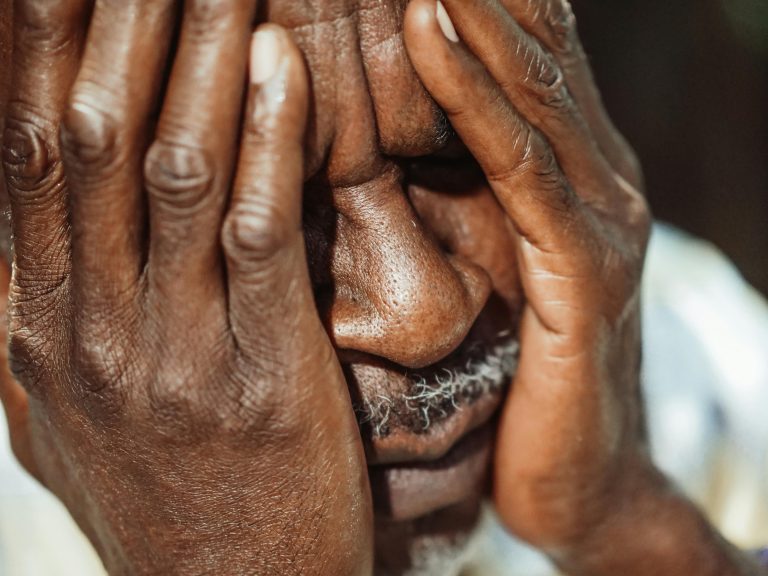
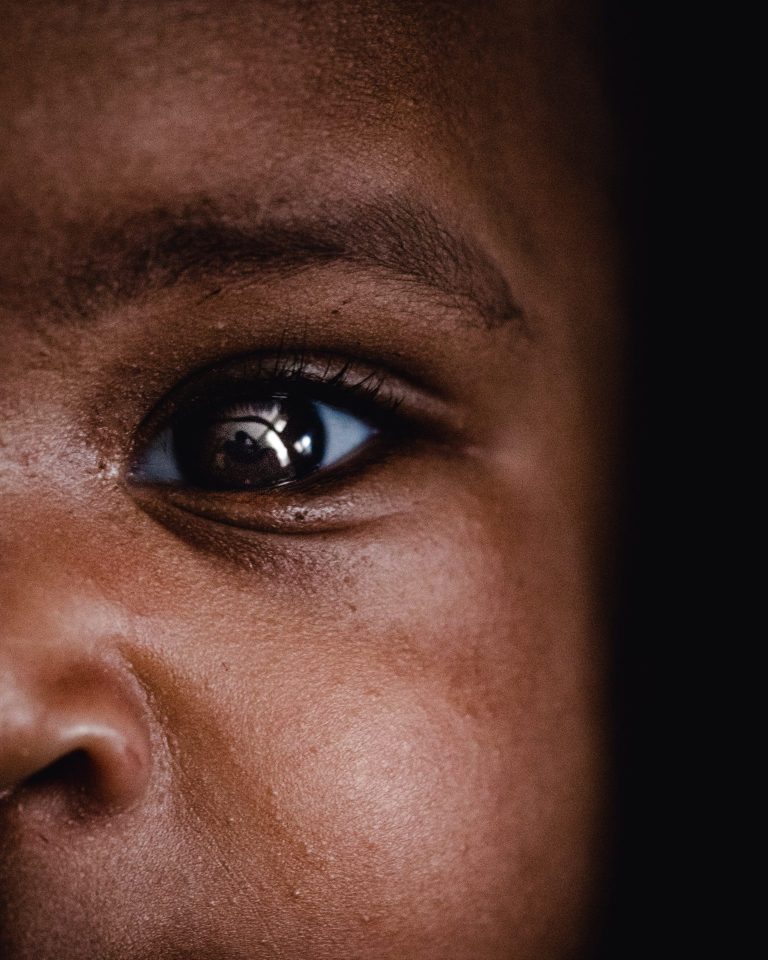
More often than realised, children are exposed to domestic violence during their early years of development. This exposure includes witnessing or experiencing physical, verbal, and emotional harm directed at family members or themselves. Children may silently endure traumatic events that deeply affect their emotional and psychological well-being. The long-term impact of such experiences can shape their behaviour, relationships, and mental health in adulthood.
Family Violence Impact on Young Children
Newborns rely entirely on their caregivers to meet their basic emotional and physical needs. Caregivers must provide consistent safety, love, and nutrition for healthy early development. Although every child is unique, all require stability to grow emotionally and physically strong. Exposure to domestic violence disrupts this stability and creates ongoing fear and confusion. Children witnessing abuse may develop anxiety, depression, or physical symptoms like frequent headaches. Their emotional world becomes unsafe, even if they are not physically harmed. Without protection, the stress of violence rewires their developing brains in harmful ways. Many show developmental delays or struggle with sleeping, eating, and concentrating at school. Parents who model aggressive behaviours unintentionally teach fear and mistrust instead of love. Ultimately, all children deserve to grow up in safe, nurturing, and violence-free homes.
Family Violence Impact on Emotional Safety
In a perfect world, children grow up safe, loved, and free from constant fear or tension. Experiencing or witnessing harm at home places children in a constant state of anxiety and alertness. Uncertainty about when violence will occur next deeply affects their ability to feel emotionally secure. Living in survival mode hinders emotional growth, trust, and a sense of long-term safety.
Early Behavioural and Emotional Signs
Toddlers and young children, based on witnessing domestic violence and/or experiencing it themselves, might cry more than usual, whine and suck their thumb, they might start bed-wetting again after becoming dry, and struggle to fall asleep. They might wake up often and show signs of terror as well as strong separation anxiety.
The Hidden Cost to Self-Esteem
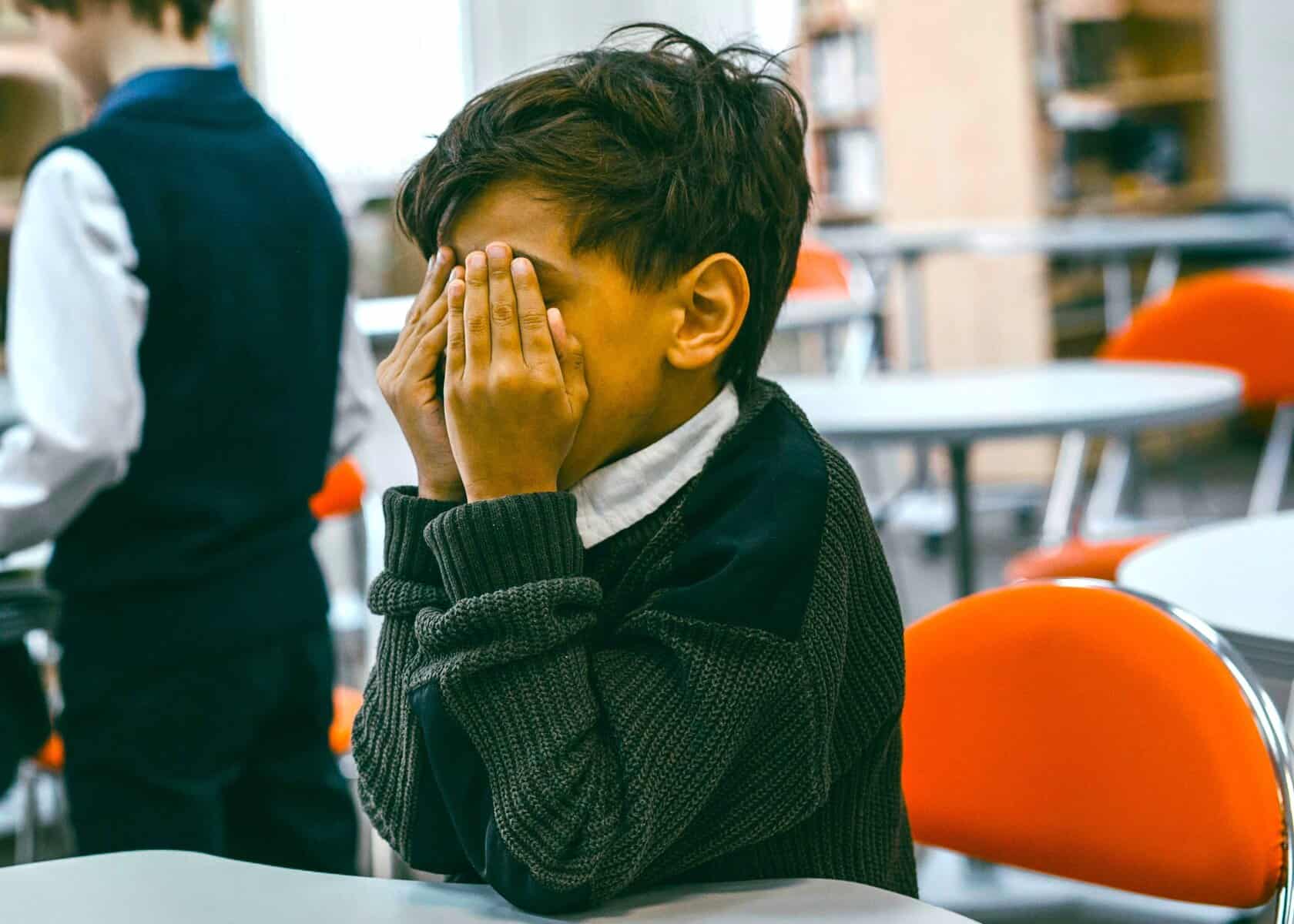
Domestic violence, in any shape or form, impacts a child’s self-esteem; there might be self-blame and questioning: “Is this my fault?”, “What am I doing wrong?” This can lead to withdrawal from activities in school, being distracted, which results in getting bad grades, as well as physical symptoms like tummy aches or headaches.
Struggles with Social Connections and Risky Coping Strategies
Due to a lack of trust in others, children from domestic violent households might struggle to make friends, which can lead to loneliness and cause feelings of frustration and depression. They might turn to alcohol and drugs as a coping strategy, and are more likely to get in trouble with the law.
Family Violence Impact on Brain Development in Children
Children exposed to domestic violence develop differently due to ongoing traumatic stress experiences. Traumatic events alter brain pathways that regulate emotions, attention, and impulse control. Often, these children show increased anger, fear, and difficulty managing daily emotions. Sometimes, nightmares and sleep disturbances become common symptoms of unresolved internal trauma. Other children struggle with focus, memory, and learning in both school and social settings. Early support and intervention significantly reduce the long-term impact of traumatic brain changes.
The Long-Term Family Violence Impact on Children
Children who grow up around domestic violence often normalise abuse as acceptable behaviour. Exposure to repeated conflict teaches them that aggression is part of loving relationships. As they mature, some begin seeking similar dynamics in their adult partnerships. Often, they fail to recognise emotional manipulation or physical harm as warning signs. Many believe they are at fault and deserve mistreatment from those they love. Others may mimic the aggressive behaviours they witnessed at home early on. These children are more likely to repeat harmful cycles in future relationships. Subtle cues like shouting or threats can feel familiar and oddly comforting. Without intervention, they might continue patterns of dysfunction unknowingly. Early education and emotional support can break the cycle of learned violence.
Domestic Violence and How it Influences Adulthood
Any form of witnessed or experienced physical, emotional, or sexual abuse during childhood can lead to health conditions in adulthood, having in mind our body-mind connection, these can range from depression and anxiety to heart disease, diabetes and poor self-esteem, for example. Domestic violence experiences in childhood have the potential to cause PTSD (post-traumatic stress disorder).
Family Violence Impact has Consequences No Matter What
The above shows, whether a child witnesses or experiences domestic violence, there is an impact. Some adults think “but the kids are not seeing it right in front of them” – witnessing is not just about seeing things happening, but also about sensing tension and fear as well as hearing screams, hitting, name-calling, and/or crying. Children usually know what is happening even if nobody in the house might speak about it.
Final Thoughts
Healing is possible for children who have witnessed or experienced domestic violence. With the right emotional support, they can learn to process their memories in a healthier way. Early intervention significantly improves their chances of developing emotional resilience. Over time, they can build trust, self-esteem, and safe relationships. While the effects of trauma can be long-lasting, support from caregivers and professionals makes a real difference. Ultimately, every child deserves the opportunity to grow up feeling safe, valued, and emotionally secure.
Family Violence Impact: Written by Franziska Richter
If you think that you can benefit from professional support on this issue you can reach out here.
Franziska Richter is a transcultural counsellor with the Willingness Team, offering counselling sessions to individuals and couples. She is particularly interested in sexuality, relationship issues, trauma and general mental health.
References
https://www.verywellmind.com/the-impact-of-domestic-violence-on-children-5207940