Schooling in Summer 4/4
Summer provides opportunities for children to learn life lessons naturally through play, exploration, and social interaction. Moreover, these outdoor moments encourage emotional growth, creativity, and practical understanding beyond formal classroom learning experiences. Informal learning helps develop essential skills that support children’s wellbeing throughout their overall educational journey effectively.
Creating a Fun Educational Summer: Building Healthy Habits Through Outdoor Learning
Importantly, summer learning helps children develop structure, social confidence, and independence through meaningful outdoor activities and exploration. Additionally, families can reinforce healthy habits and routines that support emotional wellbeing and academic progress during school holidays effectively. In PART 3, we explored ways to prepare students for success using procedures, routines, and familiar educational resources consistently. Meanwhile, this final part focuses on applying those strategies through interactive experiences and lifestyle balance beyond traditional classroom settings daily. Ultimately, readers can use this guidance to support growth, stability, and confidence for children throughout the long summer break period. Furthermore, caregivers strengthen learning outcomes by encouraging play, reflection, and consistent emotional support within everyday family environments regularly.
Fun Educational Summer: Building Healthy Routines Through Outdoor Play and Learning
Unfortunately, when parents prioritize schoolwork, they may unintentionally limit opportunities for children to socialize and recharge outdoors. Additionally, enforcing academic tasks daily can restrict freedom, reduce creativity, and increase resistance towards both learning and family dynamics. Sometimes, children thrive best when they’re allowed to engage in spontaneous play with cousins, friends, or siblings under minimal structure. Balancing educational goals with recreational time ensures children maintain joy, wellbeing, and motivation throughout the long summer break.
Encouraging Balance Between Learning and Leisure During the Summer Holidays
Some reading during summer holidays offers cognitive stimulation without placing academic pressure on the child or disrupting freedom. Moreover, reading does not need to involve schoolbooks, as leisurely reading can foster enjoyment while promoting educational growth effectively. Additionally, exposure to different genres and writing styles helps children expand vocabulary, understand language patterns, and develop lifelong reading habits. This practice encourages children to build confidence, curiosity, and a sustained love for reading throughout their lives.
Why Choice in Reading Matters for Children’s Emotional and Cognitive Development
Interestingly, reading for fun activates imagination, reduces pressure, and helps children disconnect from school-related performance expectations during summer holidays effectively. Moreover, it allows children to explore stories beyond structured educational content, tests, and formal academic requirements in a relaxed environment. However, personal experience shows that reading once felt stressful because it reminded me of school tasks and performance pressure consistently. Ultimately, discovering books outside the curriculum changed perspective, encouraging enjoyment, curiosity, and emotional connection with reading material more freely over time.
Fun Educational Summer: Encouraging Rest, Play, and Growth Beyond the Classroom
Indeed, allowing children to relax supports emotional regulation and helps them recharge during the long and often overstimulating summer holidays. Sometimes, stepping back from structured routines creates space for creativity, bonding, and inner motivation to emerge naturally. Moreover, giving them freedom to explore interests builds confidence and supports balanced personal development outside formal academic pressures. Ultimately, downtime teaches children to listen to their needs and understand the value of rest in maintaining overall wellbeing. Growth happens in quiet moments too, not only in classrooms, worksheets, or scheduled activities.
The Power of Play: Supporting Social Growth and Emotional Recharge During Summer
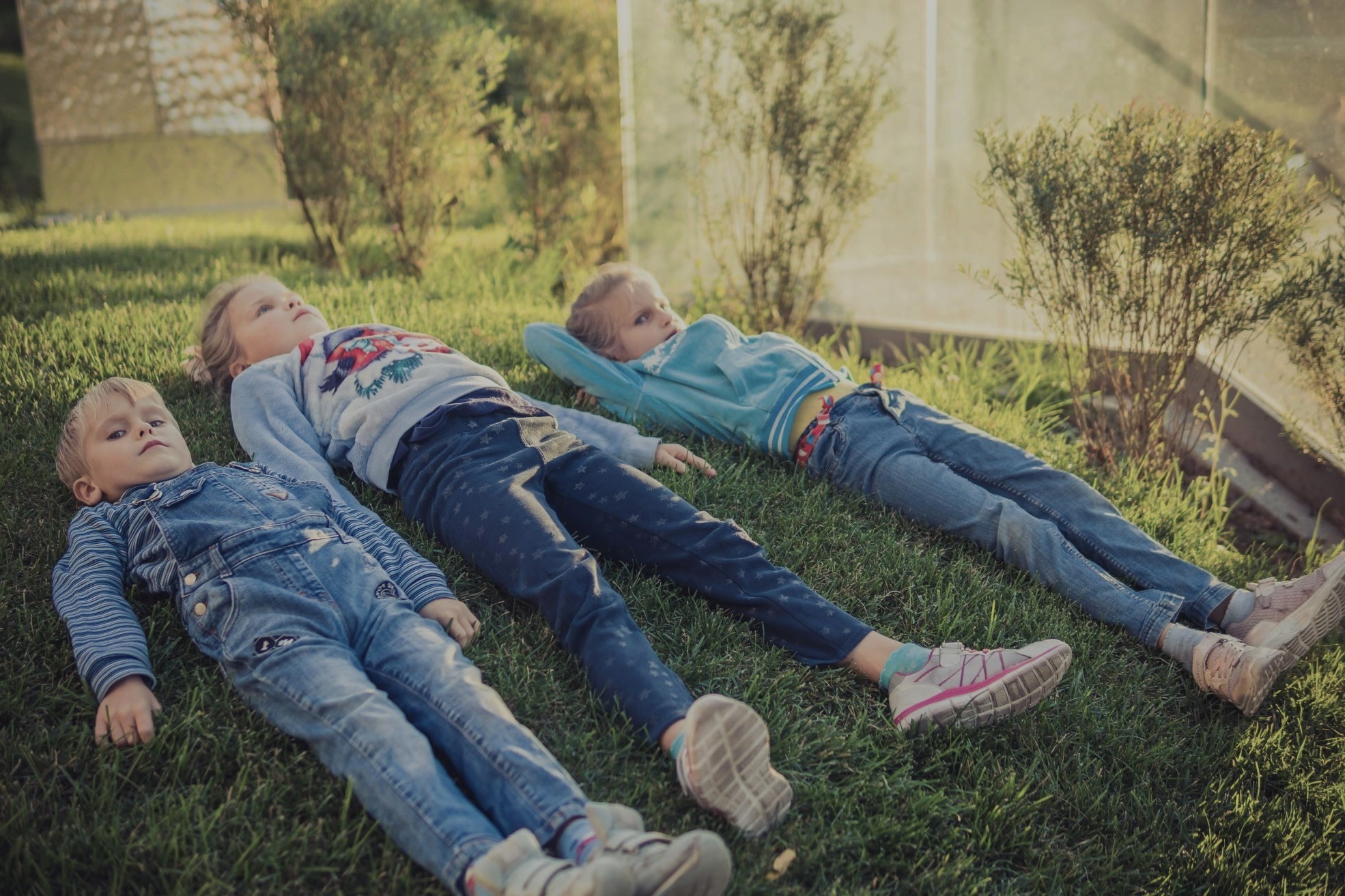
Undoubtedly, children benefit emotionally and socially when given opportunities to play freely with siblings, cousins, or neighborhood friends regularly in safe environments. Additionally, regular social play allows children to recharge mentally, build empathy, and strengthen communication through real-life shared experiences and spontaneous interactions naturally. Therefore, encouraging outdoor meetups supports physical health, emotional wellbeing, and teaches children to navigate relationships, cooperation, and group dynamics confidently over time. Ultimately, it is more than poetic to believe every action offers a lesson, as real learning happens through everyday moments and experiences. These simple experiences shape resilience, creativity, and social awareness that children carry into adulthood and future relationships effectively and meaningfully.
Final Thoughts
To close off here, academic learning remains valuable, but it also teaches important life lessons through everyday outdoor experiences. Additionally, summer curiosity helps children build healthy habits, emotional resilience, and lasting enthusiasm for learning in varied environments. Therefore, recognizing education beyond syllabi promotes a balanced, meaningful, and more engaging approach to child development and wellbeing.
Fun Educational Summer: Written by Steve Libreri
Steve Libreri is a social worker and parent coach within Willingness. He offers parent coaching and social work sessions. He can be contacted on [email protected].