Rediscovering Purpose in Later Life
Having a sense of purpose can be important at every stage of life. Yet, as we grow older, some of the roles that once provided meaning, structure, and identity may begin to change. Retirement, children leaving home, bereavement, changes in physical health, or reduced independence can all leave older adults wondering: What is my role now?
Navigating Changes in Later Life
For someone who has spent decades building a career, caring for a family, or supporting others, retirement can bring freedom but may also create an unexpected sense of emptiness. Similarly, an older adult experiencing health difficulties may no longer be able to participate in activities that previously gave them satisfaction. These changes can affect self-esteem, mood, and overall emotional well-being. Importantly, purpose does not disappear with age, it can evolve.
Finding Purpose in Everyday Experiences
Finding meaning in later life does not necessarily require major achievements or ambitious goals. Purpose can be found in everyday experiences: helping with grandchildren, maintaining friendships, caring for a pet, volunteering, learning something new, tending to a garden, or simply being someone whom others can turn to for advice and companionship.
Sharing Knowledge and Life Experience
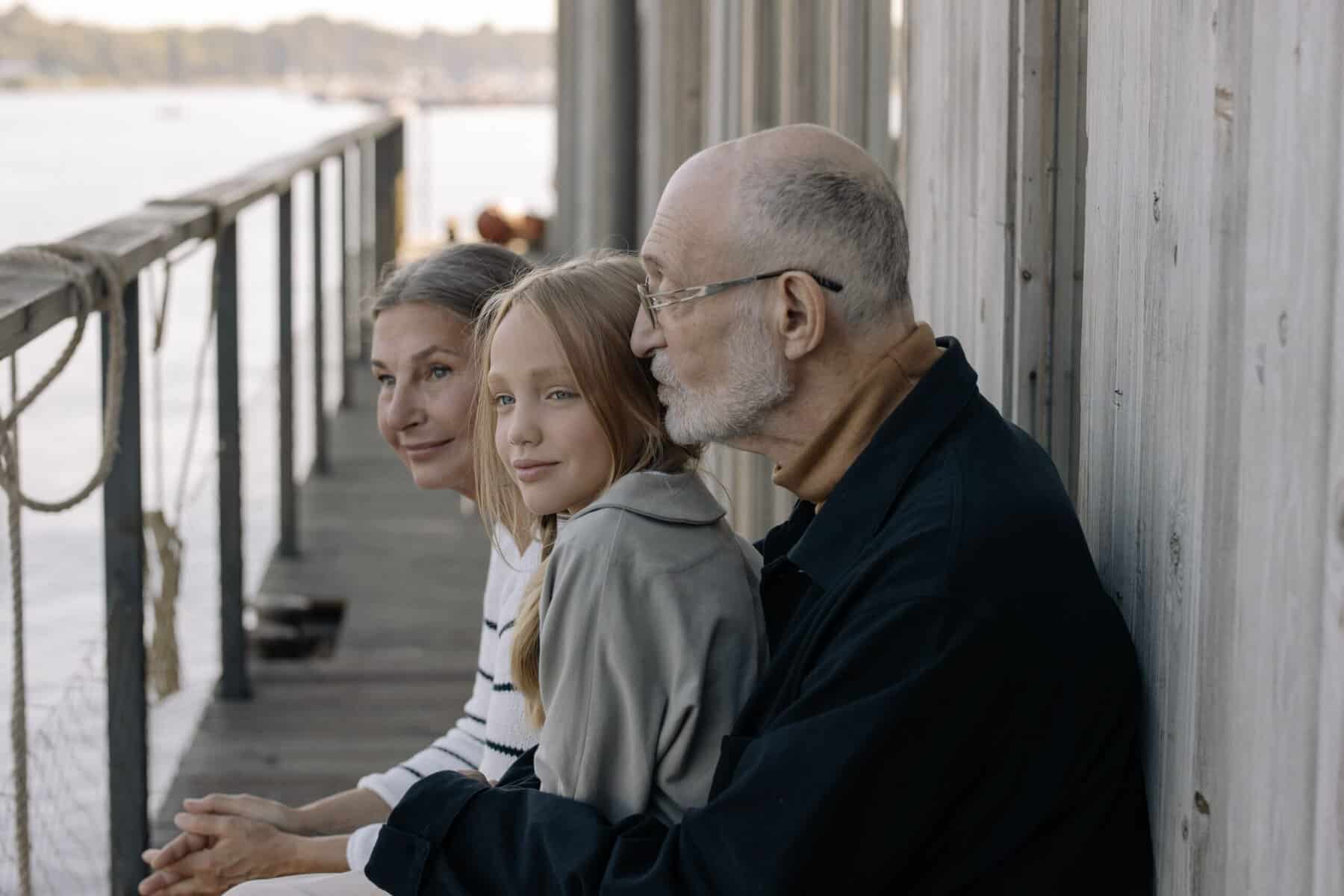
Older adults also possess something that younger generations cannot easily replicate: a lifetime of experience. Sharing knowledge, family history, skills, traditions, and personal stories can create a powerful sense of contribution. Intergenerational relationships can therefore be particularly valuable, allowing older adults to remain active participants within their families and communities rather than feeling that their most meaningful years are behind them.
Supporting Choice, Responsibility, and Participation
Families can support this by encouraging involvement rather than automatically taking over. When an older person begins experiencing physical limitations, it can be tempting to do everything for them. However, unnecessarily removing responsibilities can sometimes reinforce feelings of dependence. Where possible, maintaining choice, responsibility, and participation can help preserve confidence and autonomy. Purpose is also deeply individual. What gives one person meaning may hold little importance for another. The key is identifying what makes someone feel valued, connected, and motivated to engage with life.
Rediscovering Meaning in Later Life
Growing older inevitably involves change and, sometimes, loss. But later life can also provide opportunities to discover new interests, strengthen relationships, and redefine what matters most. Meaning does not have an age limit and neither does the human need to feel that we still have something valuable to contribute.
Written by Dr Yaser Teebi
If you think that you can benefit from professional support on this issue you can reach out here.
Dr Yaser Teebi works as a Clinical Psychologist and Gerontologist at Willingness, and works with patients with complex issues, including depression, anxiety, trauma, chronic pain, grief and cognitive impairment. Dr Teebi has graduated from the following degrees with Merit: Bachelor of Psychology (Hons), a Master of Gerontology and Geriatrics , and a Master of Psychology in Clinical Psychology, all at the University of Malta. He has also completed his PhD in Psychology and Geriatrics at the University of Birmingham, specialising in Dementia. He currently holds the position of Director Community Wellbeing within the Active Ageing and Community Care department within the Ministry for Health and Active Ageing.