Oh Please … Do your homework. Now I know how – Part 2/2
In PART 1, I explored daily homework pressures in greater depth, highlighting emotional strain and common challenges parents regularly face. Most families recognize homework demands patience, consistency, emotional regulation, and clear boundaries after long, demanding school days. This article expands by offering practical strategies to support both parents and children during homework time calmly.
Increasing Homework Independence Through Parental Guidance
Firstly, my techniques are not the only ones available, and many parents manage homework differently across family contexts. However, you and other parents often adapt strategies based on children’s needs, routines, personalities, and family circumstances daily. Therefore, discussing homework approaches with friends encourages reflection, perspective, reassurance, and shared parental learning experiences over time together. Subsequently, trying different methods allows parents to observe what builds responsibility, cooperation, and calmer evenings within family life. Ultimately, sharing ideas remains valuable when approaches stay respectful, supportive, non-abusive, and never excessively harsh toward children involved.
Increasing Homework Independence in Children
Turning homework into a timed game motivates children to focus faster, reducing everyday resistance and easing stress around routine tasks. Playful countdown challenges create excitement, encourage engagement, and help children complete activities calmly before time ends together. Closing my eyes while counting backwards sparks urgency, as children happily race to finish tasks quickly and cooperatively. Success earns immediate praise, celebrations, and enthusiastic reactions, reinforcing effort, confidence, and positive behavior consistently afterwards. Overall, this approach builds cooperation, motivation, and confidence while gently easing homework routines and mealtime pressures for families.
Offering Ownership in Homework Responsibilities
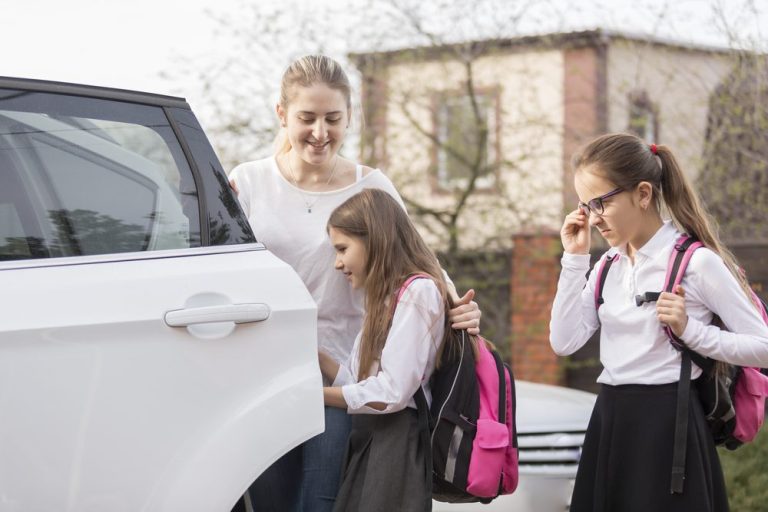
However, if nothing works, simply remove the homework unfinished, set a timeframe, and explain the child will attend school and face consequences set by teacher. Therefore, consistency matters because boundaries teach responsibility, allowing children to understand choices, outcomes, and accountability, while parents avoid prolonged conflict or rescuing behaviors at home. Following through calmly supports learning, as children experience real-life consequences, developing resilience, self-regulation, and respect for agreed expectations over time, consistently and independently.
Breaking the Homework Struggle Cycle
I understand many parents fear they will be held liable for sending children to school without homework. Sometimes, we worry others may judge us as bad parents when we try this approach or step back from constant supervision. Often, this fear prevents parents from setting boundaries that encourage responsibility, independence, and problem-solving in children at home. However, avoiding discomfort can reinforce anxiety and limit opportunities for children to experience natural consequences and personal accountability. Ultimately, parents build confidence by trusting the process, modelling calm consistency, and allowing teachers to manage school-related outcomes appropriately.
Final Thoughts on Increasing Homework Independence
To conclude, open communication with teachers helps clarify intentions, align expectations, and support shared responsibility for children. Therefore, explaining your approach builds trust and encourages respectful collaboration between parents and schools. Working together professionally supports consistency, accountability, and children’s long term independence.
Written by Steve Libreri
Steve Libreri is a social worker and parent coach within Willingness. He offers parent coaching and social work sessions. He can be contacted on [email protected].