
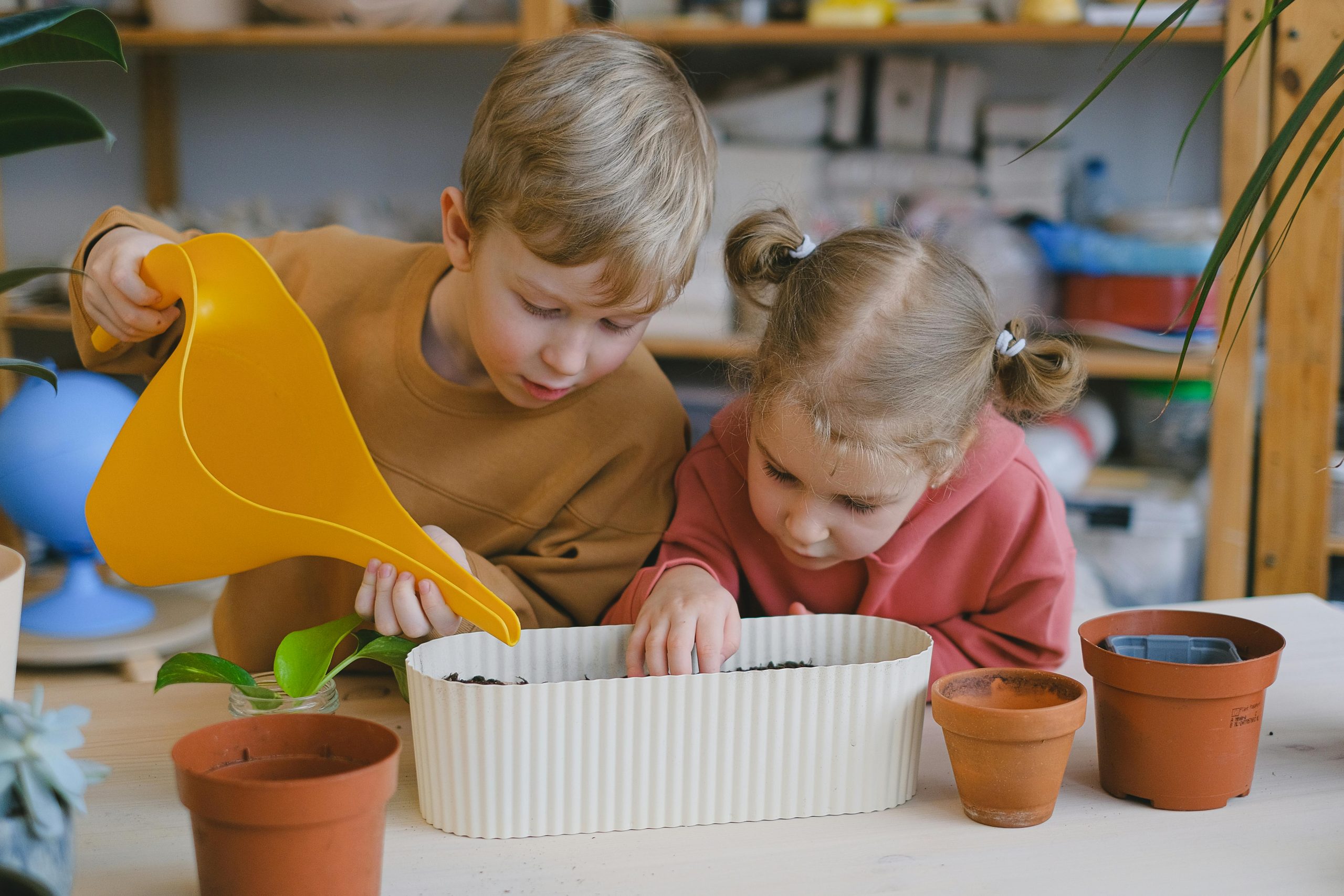
How Gardening helps Kids develop Patience and Responsibility
One small seed teaches children valuable lessons in responsibility, requiring consistent care, patience, and mindful daily engagement. Gradually, gardening routines help kids build discipline while understanding the importance of nurturing growth through hands-on experience. Moreover, children develop emotional resilience and a deeper connection to nature by learning that progress takes time and thoughtful effort.
Mud Play Mental Health: Supporting Children’s Emotional Growth Through Nature and Responsibility
Nowadays, the digital age limits children’s opportunities to develop life skills that require patience, effort, and meaningful engagement. Meanwhile, gardening introduces consistent routines that teach children to care for something over time without expecting instant results. Furthermore, growing vegetables or flowers provides a real sense of achievement and pride that screens cannot offer. Consequently, children begin to understand the value of responsibility, persistence, and delayed gratification through simple, hands-on gardening tasks. This blog explores how gardening supports children’s emotional development, patience, and responsibility in a practical and rewarding way.
1.1) Cultivating Mindfulness and Personal Growth Through Everyday Gardening
Naturally, gardening teaches children patience, as growth requires time, attention, and respect for natural rhythms. Moreover, composting and collecting rainwater help children practise mindfulness while conserving valuable environmental resources. Gradually, they become more aware of their daily actions and how these impact the world around them. Additionally, recycling habits developed through gardening nurture responsibility and care for the immediate and wider environment. Ultimately, children who garden gain insight into sustainability while strengthening emotional connection with the earth and its cycles.
1.2) Mud Play Mental Health: How Getting Dirty Supports Emotional Growth in Children
As a matter of fact, growth through gardening teaches children that patience is essential when nurturing plants and facing inevitable early setbacks. Additionally, repeated efforts despite failure help kids develop perseverance, emotional strength, and the ability to manage frustration. Gradually, children learn to meet other living beings’ needs while building confidence through every small success in the garden. At the end, gardening provides life lessons in resilience, showing that meaningful outcomes take time, care, and continued personal investment.
2) Mud Play Mental Health: How Small Tasks Build Big Emotional Growth in Kids
Gardening teaches responsibility as children complete small tasks regularly, helping them understand consistency and long-term commitment. Additionally, watering plants daily reinforces discipline, showing kids how steady effort leads to visible growth and success. Moreover, assigning age-appropriate gardening duties builds independence, patience, and a sense of personal accomplishment through meaningful contribution. Sometimes, forgetting tasks teaches valuable lessons as children witness natural consequences and learn to manage responsibilities more thoughtfully. Ultimately, this hands-on approach encourages emotional maturity while supporting healthy habits and respect for nature’s needs. You can do it by:
- Watering the plants.
- Pulling up weeds.
- Ensuring enough shade and sunlight.
- Checking for any bugs or parasites.
3) Building Routine and Responsibility Through Everyday Outdoor Experiences
Clearly, developing routine builds consistency and helps children stay engaged with their gardening responsibilities. Moreover, children learn accountability when plants suffer from neglect or forgetfulness. Alternatively, they experience pride and joy when their careful attention helps plants thrive and grow. Sometimes, simple gardening tasks offer powerful lessons in cause, effect, and natural consequences. Furthermore, encouraging reflection supports emotional growth and strengthens the value of commitment in everyday life. Hands-on learning shapes children’s sense of discipline, patience, and responsibility in meaningful ways.
4) Learning Responsibility Through Hands-On Experiences and Everyday Challenges
Firstly, gardening teaches children that making mistakes is part of the natural learning process. Moreover, encountering issues like overwatering helps develop awareness and responsibility. Consequently, children begin understanding the importance of consistency when caring for living plants each day. Additionally, parents can encourage reflection by calmly discussing what went wrong and what can improve. Instead, guide children to create thoughtful solutions using lessons learned from previous gardening experiences. Ultimately, these hands-on tasks nurture resilience, patience, and personal growth in real-world, meaningful ways.
5) Mud Play Mental Health: Hand in Hand Gardening for Emotional and Social Growth
Gardening encourages teamwork by assigning clear tasks where every child contributes to the group’s overall success. Meanwhile, children quickly understand that their individual actions impact others, fostering accountability and shared responsibility from an early age. Moreover, completing gardening steps together helps them feel valued, reinforcing their role in achieving a common goal. Long story short, this sense of collaboration builds life skills that translate into responsibility and awareness in everyday social situations.
6) Mud Play Mental Health: How Confidence and Responsibility Grow from the Ground Up
Firstly, gardening allows children to witness progress, which helps them feel capable and proud of their growing skills. Secondly, watching plants develop teaches patience, resilience, and trust in natural cycles, which mirrors personal growth and self-belief. Moreover, achieving gardening goals boosts self-esteem and encourages children to take on more responsibilities with confidence and care. Additionally, each plant grown contributes to a larger ecosystem, teaching respect for nature and promoting environmental awareness in young minds. Ultimately, gardening creates shared experiences that nurture connection, creativity, and enjoyment for both children and their caregivers alike.
Final Thoughts
To finish off, gardening supports child development by encouraging responsibility, patience, and emotional regulation through hands-on experiences. Moreover, physical activity and nature exposure promote stronger focus, resilience, and better overall mental wellbeing in children. Additionally, children develop healthy habits, such as eating vegetables they grow themselves, boosting motivation and self-esteem. Willingness Malta encourages outdoor learning practices like gardening to help children grow into balanced, confident, and capable individuals.
References
https://www.createmygarden.net/life-skills-while-gardening-with-kids/#:~:text=Gardening%20is%20a%20great%20way,how%20to%20care%20for%20them.
https://blog.sensoryedge.com/what-gardening-teaches-kids-about-responsibility/
https://www.growthmindsetcollective.com/why-every-child-should-learn-gardening-lessons-in-responsibility-science-and-patience