
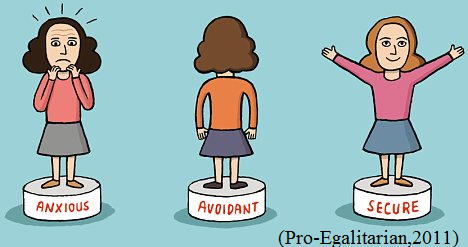
What is your partner’s attachment style? – Part 2/2
Attachment patterns significantly influence how romantic relationships develop and stabilize over the years. Moreover, these patterns shape emotional responses, communication styles, and expectations in boyfriend-girlfriend dynamics as a couple. So long story short, understanding their outcomes enables partners to strengthen relational security and long-term emotional resilience.
Outcomes of Attachment Patterns in Relationships
Continuing from PART 1, this blog further explores how attachment patterns influence long-term relationship development and emotional security. Additionally, it examines how different attachment styles shape communication patterns, trust formation, and behavioral responses between partners. Moreover, we analyze how these relational dynamics evolve across various stages of boyfriend and girlfriend relationships over time. Furthermore, the discussion highlights predictable outcomes arising from both secure and insecure attachment functioning in modern partnerships. Ultimately, this continuation supports individuals in developing emotionally secure, resilient, and mutually supportive romantic relationships through greater psychological awareness.
3) Outcomes of Attachment Patterns: Dismissive-Avoidant Attachment
Firstly, individuals with a dismissive-avoidant attachment style prioritize independence and often feel comfortable without forming deeply intimate relationships. Additionally, they value self-sufficiency and actively resist relying on others or allowing others to rely heavily on them. Moreover, they may create emotional distance by withdrawing when closeness increases, thereby limiting vulnerability and authentic connection. Some individuals display passive-aggressive tendencies or narcissistic traits to maintain control and protect their perceived autonomy.
4) Journey Through the Fearful-Avoidant Attachment Style
First of all, individuals with this attachment style strongly desire intimacy yet feel persistently uncomfortable sustaining deep emotional closeness with partners. Additionally, they struggle to trust others fully and often avoid depending on partners for consistent reassurance and emotional support. Moreover, they fear rejection intensely and anticipate emotional pain whenever vulnerability increases within significant romantic relationships. Furthermore, this persistent internal conflict creates relational instability as they alternate between seeking closeness and withdrawing defensively. Consequently, they push partners away protectively despite deeply craving reassurance, emotional safety, and lasting relational stability.
Building Secure Relationship Foundations
You know, individuals with secure attachment styles generally experience healthier, more stable, and emotionally balanced romantic relationships over time. Additionally, those with predominantly insecure styles can also build healthy and fulfilling partnerships through intentional relational effort. Moreover, partners must provide mutual support and demonstrate willingness to grow together despite recurring emotional challenges. Furthermore, they should display courage when seeking professional guidance if relational difficulties continue to persist. Cultivating strong self-awareness enables individuals to regulate emotions effectively and develop increasingly secure relationship patterns.
Final Thoughts
To conclude, understanding attachment dynamics empowers individuals to approach relationships with greater clarity, responsibility, and emotional maturity. Furthermore, recognizing behavioral patterns allows partners to respond intentionally rather than react defensively during relational challenges. Increased self-awareness and consistent effort foster secure and deeply fulfilling romantic connections over time.
Outcomes of Attachment Patterns: Written by Dana Scicluna Azar
Dana Scicluna Azar is a relationship and sex advisor at Willingness. She offers therapy to both individuals and couples and can be contacted on [email protected].