What is Gender Dysphoria?
Gender dysphoria involves identifying with another gender while feeling discomfort with one’s assigned sex, affecting overall wellbeing. Moreover, these experiences may lead to emotional distress and daily challenges, highlighting the importance of understanding and appropriate professional support. Therefore, exploring gender dysphoria helps individuals and families navigate identity, acceptance, and suitable pathways for care.
Overview of Gender Identity Experiences
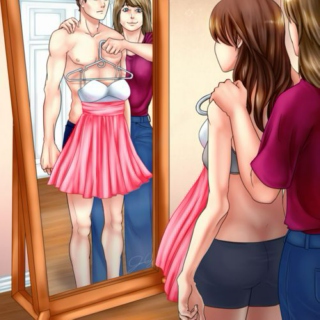
People with gender dysphoria often seek to live as another gender through clothing, behavior, and social expression. Similarly, individuals may choose outfits typically associated with another gender to express their identity more clearly and confidently. Furthermore, boys may wear traditionally feminine clothing, while girls may adopt clothing typically associated with boys in daily life. Consequently, these actions help individuals align their outward appearance with their experienced gender identity in a more authentic and comfortable way. Importantly, this expression reflects a deeper psychological need for congruence rather than a temporary preference or external social influence. Understanding these behaviors allows professionals to provide appropriate, respectful support and affirm individuals’ lived experiences in a safe environment.
Exploring Gender Identity Experiences
Additionally, individuals often feel a strong desire to be recognized and accepted as another gender within their social environments. Similarly, children may show this through preferring friendships with the opposite sex to feel a stronger sense of belonging. Furthermore, these preferences allow them to engage in activities and roles that better reflect their experienced gender identity. These behaviors can support emotional comfort while helping them express themselves more authentically within their everyday interactions.
Understanding Gender Dysphoria and Physical Discomfort
People with gender dysphoria often experience significant discomfort with their biological sex and physical characteristics from an early age. Furthermore, boys may express distress by describing their genitalia as unpleasant or unwanted, sometimes insisting these body parts will disappear. Similarly, this discomfort can lead individuals to avoid situations where their bodies are exposed or highlighted in social contexts. Consequently, these reactions reflect an ongoing internal conflict between their experienced gender identity and their assigned biological sex. Ultimately, recognizing these patterns enables professionals to provide informed, compassionate support tailored to each individual’s psychological needs.
Understanding Gender Dysphoria in Female Development
Girls with gender dysphoria may resist physical changes such as breast development or menstruation, expressing discomfort with these natural processes during puberty. Furthermore, they might verbalize a desire to develop male characteristics, sometimes stating they expect to grow a penis as part of their identity. These expressions reflect a deeper need to align their physical body with their experienced gender, highlighting the importance of sensitive and informed support.
Young People and Identity Development
Not only that, but children with gender dysphoria may experience separation anxiety, finding it difficult to feel secure when away from familiar caregivers. Furthermore, they may develop generalized anxiety disorder, which can affect their daily functioning, emotional regulation, and ability to engage confidently in social environments. Similarly, persistent distress related to their gender identity may contribute to symptoms of depression, including low mood, withdrawal, and reduced motivation. Consequently, these mental health challenges often interact, creating a complex emotional experience that requires careful assessment and tailored psychological support from trained professionals. Recognizing these patterns early allows professionals to intervene effectively, supporting the child’s wellbeing while promoting resilience, understanding, and healthy emotional development.
Understanding Gender Dysphoria Across Life Stages
Adolescents with gender dysphoria often face increased vulnerability to depression due to ongoing identity struggles and social pressures. Furthermore, some adolescents may experience suicidal thoughts, particularly when they feel misunderstood, unsupported, or unable to express their identity safely. Similarly, adults with gender dysphoria may present with anxiety and depressive symptoms that impact their relationships, work, and overall wellbeing. Consequently, some individuals may also report a history of cross-dressing behaviors, which can relate to their personal experiences of gender expression. Ultimately, recognizing these patterns allows professionals to offer appropriate support, ensuring individuals receive respectful, evidence-based care tailored to their unique needs.
Final Thoughts on Understanding Gender Dysphoria
To wrap up, understanding gender dysphoria requires a compassionate, evidence-based approach that recognizes individual experiences and supports emotional wellbeing. Furthermore, early recognition and appropriate support can reduce distress, helping individuals manage identity challenges with greater confidence. Ultimately, professional guidance ensures promoting acceptance, stability, and improved mental health outcomes.
Written by Dana Scicluna Azar
Dana Scicluna Azar is a relationship and sex advisor at Willingness. She offers therapy to both individuals and couples and can be contacted on [email protected].