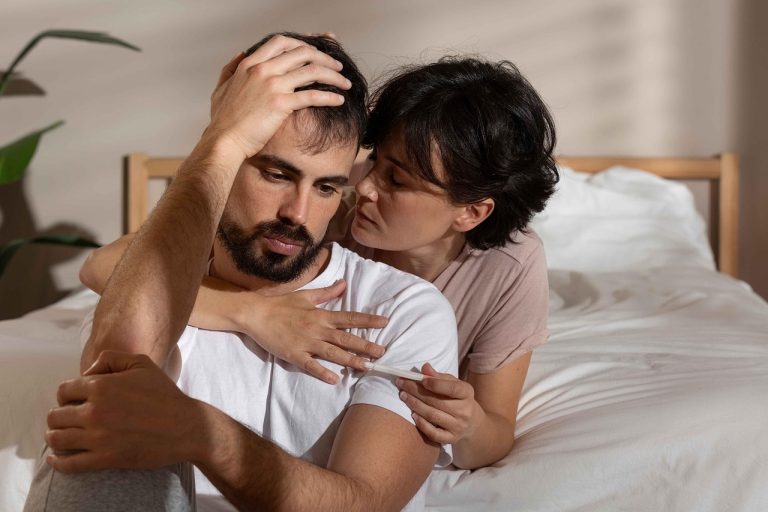

I never thought I would do it… – Part 1 of 2
Recently, I began reflecting on infidelity, a difficult subject because of its profound impact on intimate relationships. Despite, different perceptions about infidelity, I believe open discussions with partners remain essential for mutual understanding and emotional clarity. Therefore, individuals benefit from honestly sharing their thoughts and feelings, reducing secrecy while strengthening trust within their relationship. Addressing infidelity through communication allows couples to explore emotions, prevent misunderstandings, and promote healthier relational dynamics.
How Painful Regret Shapes Relationships After Betrayal
Some may question the value of discussing infidelity, wondering whether communication genuinely improves relationships strained by betrayal. Well, honest conversations with a spouse often prove the healthiest way to resolve tensions, strengthen bonds, and rebuild trust. I believe openness enables partners to confront painful emotions constructively, reducing misunderstandings and hidden resentment within the relationship. However, obstacles exist, since partners may resist difficult conversations, fearing conflict or deepening emotional hurt from sensitive disclosures. These challenges can complicate communication, leaving individuals struggling to express themselves authentically about issues surrounding infidelity. Ultimately, persistence and patience make open communication valuable, though it may not always progress smoothly or without setbacks.
Understanding the Aftermath of Betrayal
This blog aims to explore the sensitive topic of infidelity while encouraging healthy communication between partners. Moreover, it seeks to highlight emotional struggles such as painful regret, guilt, and identity loss often experienced after infidelity. Additionally, the purpose is to provide guidance for individuals who wish to navigate these difficult emotions more constructively. Therefore, readers can gain insight into coping strategies, self-reflection, and the importance of professional support when necessary. Ultimately, the blog intends to foster understanding, compassion, and resilience in relationships challenged by infidelity and painful regret.
Finding Guidance Beyond Your Relationship
If speaking directly to a partner feels impossible, individuals should instead seek objective support from trusted professionals or confidants. This external perspective provides balanced guidance without bias, ensuring the person exploring their infidelity experiences clarity rather than judgement or criticism. Individuals struggling with guilt often carry overwhelming thoughts, making it vital to share these openly with someone neutral. By discussing these emotions, individuals can normalise their experiences, reducing isolation and recognising common human struggles within relationships. Such conversations help regulate difficult feelings, encouraging healthier self-reflection and promoting gradual personal growth during challenging times. Ultimately, external support empowers individuals to process infidelity, manage emotions, and make considered decisions about their future relationships.
Painful Regret: Understanding the Emotional Consequences of Betrayal
Individuals often experience overwhelming guilt, making it difficult to acknowledge their behaviour openly. Moreover, this guilt sometimes evolves into identity loss, as individuals never expected themselves capable of such actions. Therefore, questions naturally arise regarding the reasons someone chooses to betray trust and compromise their relationship’s stability. Additionally, external pressures, emotional disconnection, or personal struggles may contribute to these unexpected and damaging choices. Ultimately, understanding these factors encourages compassion, reflection, and healthier approaches to repairing or reassessing the relationship dynamic.
Painful Regret and the Importance of Relationship Effort
Firstly, individuals may give various reasons for infidelity, yet many agree it stems from couples losing their original connection. Moreover, when people immerse themselves in work or outside activities, relationships risk being neglected, leaving partners feeling disconnected and taken for granted. Ultimately, without deliberate effort and communication, couples may drift apart, highlighting the importance of nurturing intimacy to prevent relational breakdown.
Find out more in Part 2.
Final Thoughts on Painful Regret
To conclude, addressing infidelity requires honesty, communication, and reflection, enabling individuals and couples to navigate painful regret while fostering healthier, more resilient relationships. Moreover, recognising emotional struggles such as guilt, identity loss, and disconnection allows partners to seek support, rebuild trust, and strengthen their bond constructively. Therefore, with empathy, effort, and professional guidance where needed, couples can transform challenges into opportunities for growth, learning, and long-lasting emotional intimacy.
Written by Karl Grech
Karl Grech is a counsellor. He offers counselling to both individuals and couples within Willingness. He can be contacted on [email protected].