
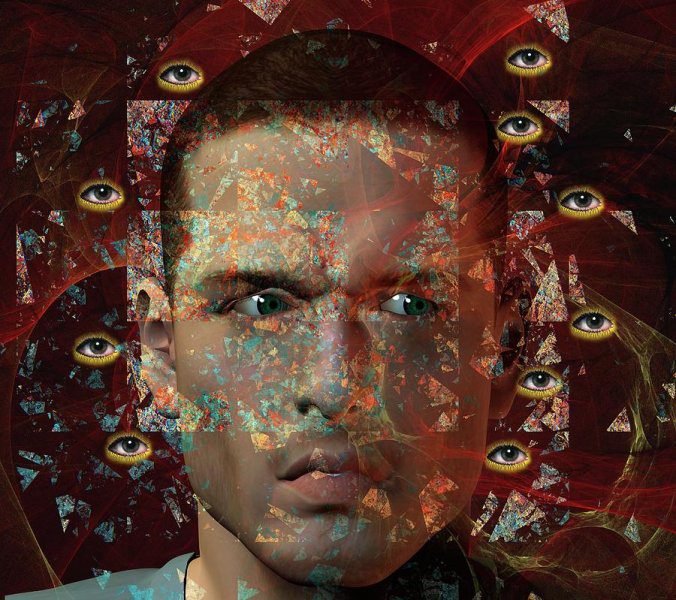
Understanding personality traits | Part 3
Personality refers to how individuals organize thoughts, feelings, and behavior across different situations in daily life. This shapes how individuals respond to experiences, influencing relationships and emotional reactions in varying contexts. Consequently, when personality becomes inflexible and unable to adapt, individuals may experience distress and difficulty managing situations effectively.
Paranoid Traits and Perception in Relationships
Building on insights from PART 2, distress can arise from how individuals perceive themselves, others, and regulate emotions and impulses. Moreover, these difficulties may reflect patterns in personality, where certain traits become fixed and influence behavior across different relational and situational contexts. Additionally, individuals may experience varying combinations of personality styles, shaped by how traits develop and persist over time within their experiences. Furthermore, recognizing these patterns allows for greater awareness, supporting individuals in understanding how their ways of relating may contribute to distress. This blog focuses on paranoid styles of relating, exploring how perception and mistrust influence interactions and emotional experiences.
Paranoid Traits and Perception in Trust and Relationships
Paranoia refers to persistent distrust or suspicion towards others, often involving fears that external intentions are harmful or threatening. Moreover, individuals may hold these beliefs despite lacking clear evidence, leading them to question others’ motives and interpret situations negatively. Additionally, this pattern can influence relationships, as individuals may doubt friends’ intentions and struggle to maintain trust within close connections. Consequently, ongoing suspicion may result in holding grudges, reinforcing distress and creating barriers to secure and supportive relational experiences.
Consequences of Paranoia in Relationships
Firstly, fear of information being used against oneself may discourage individuals from confiding in others, limiting openness and emotional connection within relationships. Moreover, paranoia can lead individuals to interpret neutral events as threatening, sometimes resulting in defensive or angry reactions towards perceived danger. This heightened suspicion may extend to intimate relationships, where individuals may repeatedly suspect infidelity despite lacking evidence, creating ongoing relational strain.
Handling Paranoia and Emotional Distress
This style of relating can intensify over time, as individuals become increasingly immersed in paranoid thoughts and interpretations that shape their everyday experiences. Moreover, distinguishing between real threats and perceived dangers may become more difficult, leading to heightened distress, confusion, and increased emotional reactivity. Additionally, these patterns can affect daily functioning, relationships, and overall emotional wellbeing if left unaddressed over extended periods of time. Furthermore, seeking support from mental health professionals, family, and friends can provide guidance, reassurance, and opportunities for developing healthier coping strategies. Consequently, early support can help individuals regain perspective, reduce distress, and develop more balanced ways of interpreting and responding to situations.
Paranoid Traits and Perception in Seeking Support
Individuals with paranoid styles may avoid therapy, as they might believe the therapist’s gonna manipulate or harm them. Moreover, this reflects a broader pattern where individuals assume others have harmful intentions, reinforcing mistrust and limiting opportunities for supportive intervention. Additionally, heightened vigilance once served an adaptive purpose, helping our ancestors detect threats and survive within dangerous and unpredictable environments. When these traits persist without actual threat, they distort perception, leading to unnecessary distress and difficulties in everyday functioning.
Awareness and Balanced Vigilance
In the context of a pandemic, some caution and vigilance are necessary, as real threats require protective behaviors to maintain safety and reduce harm. Moreover, this awareness encourages actions such as distancing, wearing masks, and maintaining hygiene to reduce risk and protect vulnerable individuals within society. Consequently, paranoia emerges when fear becomes excessive and constant, even with minimal risk, making it challenging to balance caution with realistic and proportionate assessment.
Embracing Connection and Support
We’re being challenged to adjust our behaviors and perspectives in new ways to respond effectively to the current situation. Moreover, since this style of relating encourages caution and mistrust, paranoia can drive individuals to retreat inward, avoiding connection with others. Additionally, overcoming this withdrawal is essential, allowing individuals to reach out with compassion and build supportive networks that foster emotional wellbeing. Furthermore, engaging with others virtually provides a valuable opportunity to maintain connection and support despite physical distancing and current limitations. Consequently, establishing these support systems helps individuals navigate challenges, promoting resilience, empathy, and shared understanding during difficult circumstances.
Final Thoughts on Paranoid Traits and Perception
To conclude, understanding personality patterns fosters awareness, helping individuals relate to themselves and others with empathy and compassion. Moreover, embracing flexibility encourages adaptation, supporting healthier emotional regulation and balanced relational experiences. Applying these insights promotes personal growth, resilience, and meaningful, sustainable connections.
Written by Amber Tabone
Amber Tabone practices Gestalt Psychotherapy with individuals and couples at Willingness, currently reading for a Master’s in Psychotherapy. She’s developed an interest in working with relationships, gender, and sexuality. This is due to her experience with families and domestic violence issues.
References
American Psychiatric Association: Diagnostic and Statistical Manual of Mental Disorders: Diagnostic and Statistical Manual of Mental Disorders, Fifth Edition. Arlington, VA: American Psychiatric Association, 2013.