
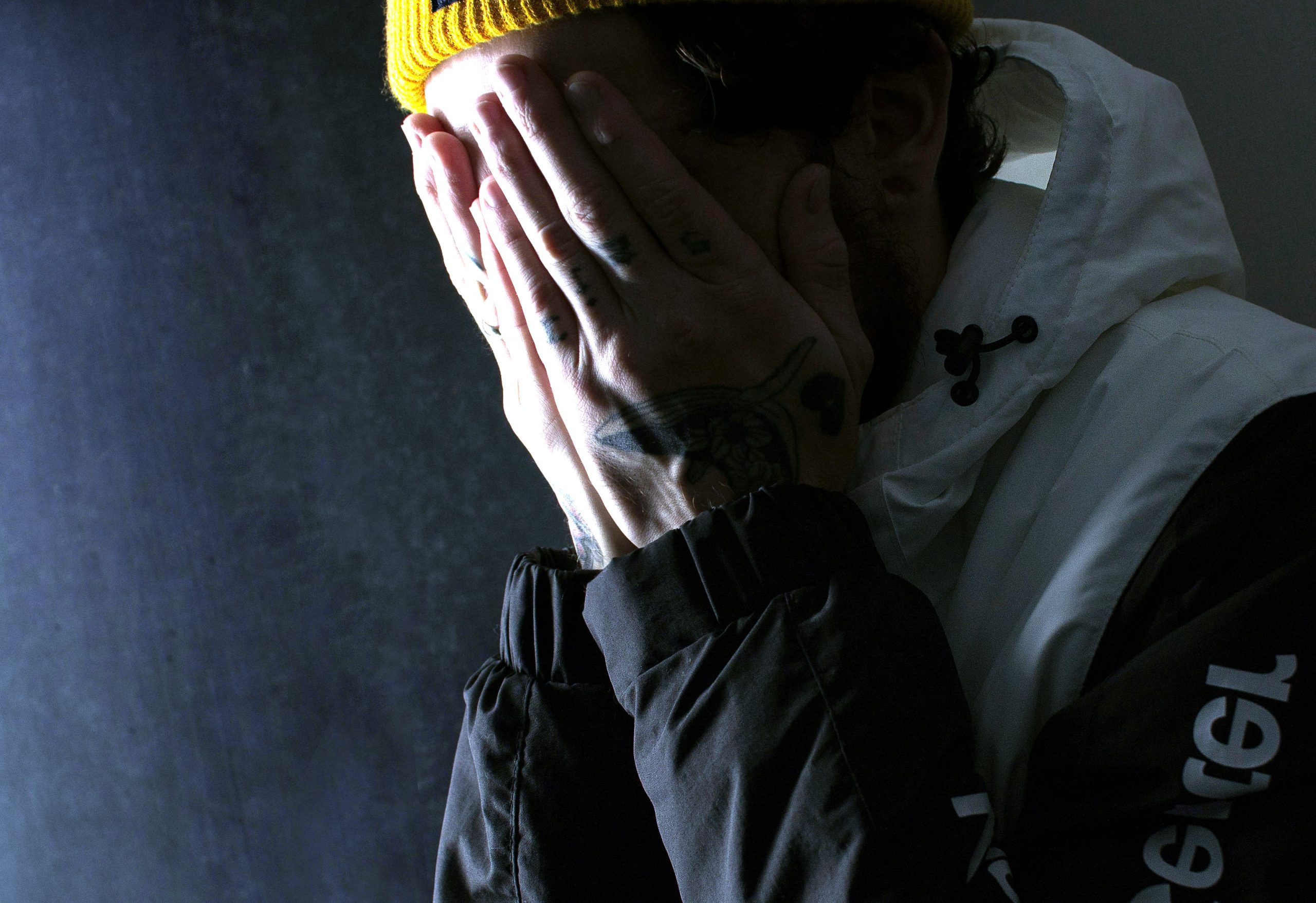
How do I support a relative with a mental illness? – Part 3 of 4
Overcoming Challenges When Supporting a Relative
Overcoming challenges requires patience and persistence, especially when supporting a relative with mental illness. Additionally, set realistic expectations to avoid frustration and encourage progress through small, achievable steps. Moreover, maintain open communication to address difficulties early and prevent misunderstandings from escalating further unnecessarily. Furthermore, prioritize self-care to strengthen your ability to provide ongoing support and resilience effectively. Equally, seek professional guidance when obstacles feel overwhelming, ensuring both you and your relative feel supported. Celebrate progress regularly to reinforce motivation, encourage hope, and sustain long-term commitment throughout the journey.
Top 5 Benefits of Supporting Your Relatives
Firstly, supporting a relative with mental illness strengthens family bonds and deepens emotional connections through compassion, empathy, and mutual growth. Secondly, it builds resilience by teaching patience, adaptability, and problem-solving skills essential for overcoming everyday challenges together effectively. Thirdly, it enhances communication as relatives learn to express emotions openly, listen actively, and resolve conflicts constructively. Fourthly, it promotes awareness and understanding of mental health, reducing stigma while encouraging healthier attitudes in communities and families. Finally, it creates fulfilment and purpose by knowing your support positively impacts your relative’s recovery and overall wellbeing.
Final Thoughts on Recognizing Warning Signs
To conclude, supporting a relative with mental illness requires patience, empathy, and understanding to manage challenges together. Moreover, open communication and self-care support balance, therefore strengthening trust and meaningful family connections. Ultimately, combining compassion with guidance, and additionally, using practical strategies promotes long-term wellbeing and resilience.
Written by Claire Borg
If you think that you can benefit from professional support on this issue you can reach out here.
Claire Borg is a gestalt psychotherapist at Willingness. She works with adolescents and adults, with a special interest in mental health. She can be contacted on [email protected] or call us on 79291817.