
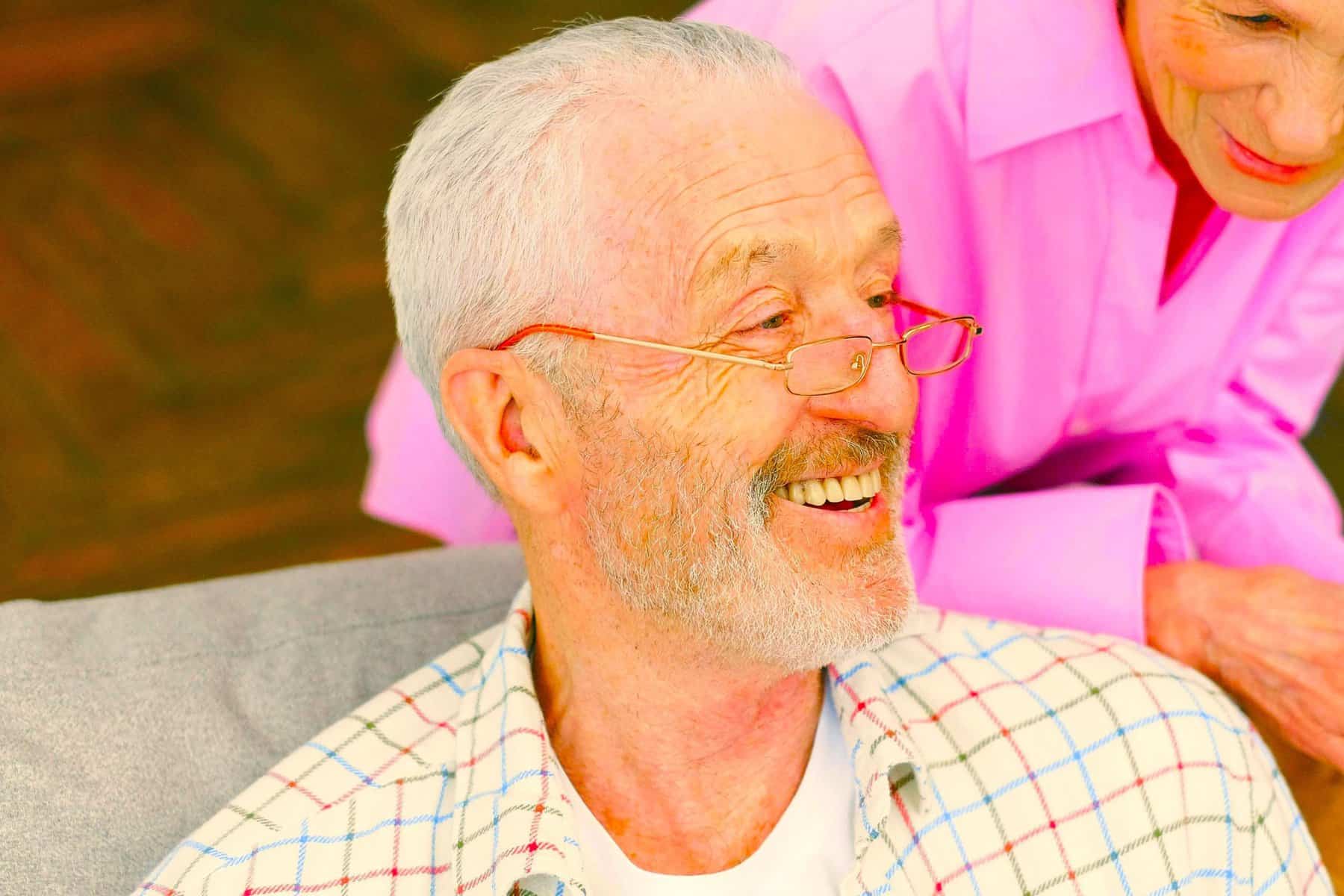
Older Adults in Therapy
Psychological therapy offers older adults structured support to manage ageing-related emotional challenges effectively. As individuals age, they often encounter major transitions like retirement, loss, or declining physical health. These changes may increase vulnerability to feelings of sadness, anxiety, or emotional isolation. Furthermore, adapting to assisted living environments can add stress and reduce personal independence. Many older adults face social isolation, which significantly impacts mental wellbeing and emotional balance. These concerns are recurring themes discussed throughout several of our previous blog posts. Therapy creates a safe, non-judgmental space where older adults can explore their emotions openly. With professional guidance, they receive validation, practical coping strategies, and psychological tools for growth. Emotional support from therapy promotes resilience and encourages acceptance of life’s changes with grace. Ultimately, therapy empowers ageing adults to find renewed purpose, peace of mind, and emotional clarity.
Strengthening Connections and Emotional Wellbeing in Later Life
Importantly, psychological therapy gives older adults space to process unresolved past emotional experiences. Additionally, it helps individuals build resilience and strengthen their ability to regulate overwhelming or difficult emotions effectively. Therapy also fosters personal acceptance and emotional peace in the face of ageing-related changes. Moreover, it encourages older adults to adapt to present-day realities with increased confidence. Cognitive Behavioural Therapy (CBT) often supports seniors struggling with patterns of negative thinking and behaviour. Reminiscence therapy allows them to explore meaningful memories while reinforcing identity and self-worth. Finally, supportive counselling provides tailored emotional care that meets the unique needs of this population.
Understanding the Impact of Social Isolation & Ageing
Many older adults begin therapy to address emotional or psychological challenges. Grief from losing a spouse often leads them to seek support. Others manage chronic illness and anxiety about growing dependency through therapy. Sometimes, therapy becomes a first-time step toward understanding emotional needs. In other cases, individuals return to therapy during a difficult life transition.
Final Thoughts on Social Isolation & Ageing in Therapeutic Contexts
In conclusion, psychological therapy helps reduce long-standing stigma around ageing and mental health concerns. As such, older adults become increasingly open to seeking timely emotional and psychological support when necessary. Furthermore, therapy strongly reinforces that emotional wellbeing holds equal value at every stage of life. With appropriate guidance, seniors can enhance their life satisfaction, interpersonal relationships, and sense of self-worth. In addition, therapeutic support empowers older individuals to navigate personal change with confidence and emotional clarity. Notably, healing becomes achievable when ageing adults are given space to express and process difficult emotions. Ultimately, therapy brings lasting hope by showing that growth remains possible throughout one’s entire lifespan.
Social Isolation & Ageing: Written by Yaser Teebi
If you think that you can benefit from professional support on this issue you can reach out here.
Yaser Teebi works as a Clinical Psychologist and Gerontologist at Willingness. He works with complex cases across all adult age groups. His focus includes chronic pain, depression, anxiety, and trauma. Yaser Teebi holds three postgraduate degrees from the University of Malta. He is pursuing a PhD in Clinical Psychology and Geriatrics.