
The Hidden Family Feuds That Emerge After a Funeral
Nowadays, funerals are traditionally viewed as unifying events where families gather to mourn and offer support. Secondly, behind shared sorrow, long-standing tensions and unspoken conflicts often reappear. Moreover, grief can bring closeness but may also reveal emotional fractures that were previously ignored. These moments highlight the complex relational dynamics hidden beneath rituals of remembrance and mourning.
When Loss Exposes Family Tensions
This blog aims to explore how funerals can trigger hidden family conflicts alongside the grieving process. Many families experience emotional tension that intensifies when loss disrupts established relational roles. Understanding these dynamics helps individuals approach post-funeral challenges with compassion, awareness, and improved communication. Sometimes, conflict offers an opportunity to address long-standing issues and promote emotional healing among relatives. The goal is to support families in navigating grief with unity, respect, and relational insight.
Tense Funerals: Navigating Emotional Conflict Within the Family
Clearly, the family unit changes when one member dies, affecting emotional dynamics and established connections deeply. Often, funerals function as emotional milestones that either unify or divide relatives. Sometimes, families experience unexpected tension despite best intentions to support one another during mourning. Additionally, grief rituals can trigger unresolved emotions that influence how individuals interact in shared spaces. Ultimately, how families navigate these moments determines whether conflict escalates or connection is strengthened over time.
Tense Funerals: How Grief Rituals Can Stir Family Conflict
The way families relate to death through rituals often reveals emotional dynamics not previously addressed openly. Secondly, funerals function as relational events that reassign roles, shift boundaries, and challenge established patterns of connection. Meanwhile, decisions such as who speaks or attends can trigger conflict rooted in longstanding issues of recognition, inclusion, or authority. At the end of the day, even choices about music or burial preferences may expose deeper struggles involving identity, loyalty, and the meaning of belonging within the family.
Grief and the Strain on Family Relationships
Firstly, individuals experience grief differently, often shaped by personal history, emotional tendencies, and unspoken expectations within the family. Secondly, these varying responses to loss can result in misunderstandings, emotional distance, or even unintended hurt between relatives. Meanwhile, some family members may seek open dialogue, while others might withdraw or prefer silence during the mourning process. If such differences remain unacknowledged or disrespected, grief may transform into deeper emotional conflict marked by blame, resentment, or lasting disconnection.
Tense Funerals: When Grief Uncovers Hidden Family Conflict
Additionally, past family tensions often return unexpectedly following the death of a close loved one. Sometimes, old sibling rivalries or unresolved issues can quickly resurface and intensify. Frequently, the absence of a central family figure disrupts emotional stability and relational balance. Naturally, funerals create emotionally charged environments where long-suppressed feelings may finally emerge. Consequently, minor disagreements may escalate into significant arguments rooted in deeper family history. Long story short, grief magnifies these dynamics, making reconciliation more difficult without open communication and mutual understanding.
Tense Funerals: When Grief Uncovers Hidden Family Conflicts
Money matters often influence family dynamics following the death of a loved one, despite good intentions. Property disputes may surface when expectations clash or legal clarity is missing. Finances frequently become symbolic representations of unresolved emotional issues within the family system. Inheritance decisions can expose past grievances, favouritism, or unequal treatment among siblings or relatives. Ultimately, financial tension after loss reflects not just assets, but the emotional weight of long-standing relational complexities.
Family Tensions After Loss
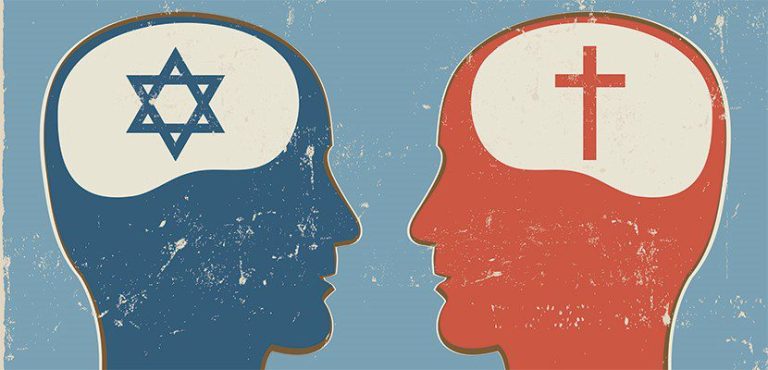
Sometimes, even well-meant efforts to unite the family can unintentionally deepen emotional divides during funeral preparations. Frequently, involving everyone in decision-making exposes underlying conflicts rather than fostering resolution or mutual understanding. Additionally, differing beliefs around religion, tradition, or personal values often intensify tensions during an already emotionally vulnerable time. While some families respond with empathy and compromise, others struggle to bridge perspectives shaped by long-standing relational patterns.
The Role of Emerging Rituals
Recently, living funerals have emerged as meaningful rituals allowing individuals to engage with loved ones before death. Often, these ceremonies promote emotional expression, creating opportunities for connection, reflection, and closure within families. Sometimes, the presence of the dying person encourages honesty but also introduces discomfort and emotional vulnerability among relatives. Naturally, unresolved tensions may surface during these moments, challenging family members to confront longstanding issues previously left unspoken. Ultimately, such rituals reshape how families approach loss, offering both healing potential and complex emotional reckonings.
When Grief Sparks Family Conflict
Firstly, funerals highlight that mourning extends beyond personal pain, encompassing the shared emotions and dynamics within a family. Secondly, the loss of a loved one alters relationships, reshaping roles, responsibilities, and emotional connections across generations. Moreover, grief exposes hidden vulnerabilities, prompting families to navigate both individual sorrow and collective identity reconstruction. Consequently, conflicts arising after a funeral often reflect attempts to restore balance and redefine family bonds amid change. Recognising mourning as a relational process fosters compassion, understanding, and growth within families experiencing profound loss.
Final Thoughts on Tense Funerals
To conclude, funerals reveal emotional patterns that families may confront, resolve, or continue to avoid addressing altogether. Additionally, grief can become a bridge that reconnects relatives through shared vulnerability and openness. Therefore, acknowledging tense funerals as relational events allows space for growth, clarity, and improved communication among family members. Finally, preparing for emotional complexities after loss encourages families to respond with unity, compassion, and long-term relational awareness.
Written by Tinkara Klinc
If you think that you can benefit from professional support on this issue you can reach out here.
Tinkara Klinc is a Trainee Psychologist who works with adolescents and young adults offering support sessions. She is interested in child development and family dynamics, and is also furthering her education in the field of Developmental analytical psychotherapy.
References
Gelcer, E. (1983). Mourning is a family affair. Family Process, 22(4), 501–516.
Tang, Y. K. (2025). Exploring family dynamics in living funerals: Rituals to relationships. Australian and New Zealand Journal of Family Therapy, 46(1), e1618.
Walter, T., & Bailey, T. (2020). How funerals accomplish family: Findings from a mass-observation study. OMEGA–Journal of Death and Dying, 82(2), 175–195.
Woodthorpe, K., & Rumble, H. (2016). Funerals and families: locating death as a relational issue. The British Journal of Sociology, 67(2), 242–259.