The First Year Without Them; Navigating Holidays and Birthdays After a Loss
Grief is an emotion reshaping how time is experienced during birthdays and meaningful occasions after losing someone. These significant dates often awaken memories, reminding individuals of shared moments, emotional connections, and experiences once lived together. Consequently, navigating such occasions may feel emotionally overwhelming, as celebrations gradually turn into quiet reflections of remembrance.
Finding Meaning in Milestones After Loss
Guidance through grief requires compassionate support, empowering individuals to navigate emotional milestones with resilience and understanding during difficult life transitions. Furthermore, coaching provides structured techniques helping clients honor emotions, process loss, and adapt gradually to ongoing personal change effectively. Moreover, professionals create empathetic spaces where healing unfolds naturally, supporting individuals without imposing rigid expectations or unrealistic emotional pressure. Consequently, individuals learn healthy coping skills, creating balance between remembrance, acceptance, and gradual personal growth throughout their grief journey. Ultimately, supportive approaches transform loss into opportunities for strength, reflection, emotional healing, and renewed purpose over time.
Why Holidays and Birthdays Intensify Grief
Rituals connect us to the past and make special occasions feel deeply significant and emotional. Memories arise strongly during holidays, reminding us of moments shared with the loved one we’ve lost. Psychologists explain that these intense emotional waves are called “anniversary reactions” and are completely natural. Grief often resurfaces during birthdays or holidays, no matter how many years have passed since the loss. Researchers have found that these occasions can heighten sorrow by highlighting the emotional gap left behind.
Customised Commemorations: Creating New Traditions After Loss
However, the first year often feels raw as familiar traditions no longer bring the same comfort. Meanwhile, emotional triggers appear unexpectedly, making ordinary moments feel unusually heavy and difficult to manage. Therefore, many people struggle to find meaning in celebrations that once brought joy and connection. Alternatively, some choose to avoid these events entirely, fearing the pain might be too overwhelming to face. Consequently, the contrast between past and present becomes stark, deepening the sense of loss and disorientation.
You May Notice These
Sometimes, you may feel a mix of sadness, longing, or guilt while attempting to celebrate meaningful occasions. Others may pressure you to move on or stay strong, even when you’re still processing deep emotional pain. Occasionally, you might experience conflicting emotions—wishing to honour your loved one while simultaneously avoiding anything that triggers grief. Suddenly, traditions that once brought joy can feel empty, as their meaning shifts without the presence of someone you cherished.
These feelings are not signs of weakness. They are natural responses to loss.
Coaching Strategies for Navigating the First Year
From a coaching perspective, the goal isn’t to erase the pain but to create space for both grief and meaning. Here are some gentle practices:
1) Customised Commemorations: Give Yourself Permission to Feel
Suppressing emotions often makes them stronger, leading to unexpected feelings that may resurface during vulnerable moments and cause deeper distress in your healing journey. Therefore, it is important to allow yourself to cry, reminisce, or even laugh, embracing these natural responses as part of processing grief healthily and authentically. Moreover, your grief is unique, and there is no “right way” to mourn, so acknowledging your personal rhythm empowers genuine emotional recovery.
2) Customised Commemorations: Redefine Traditions
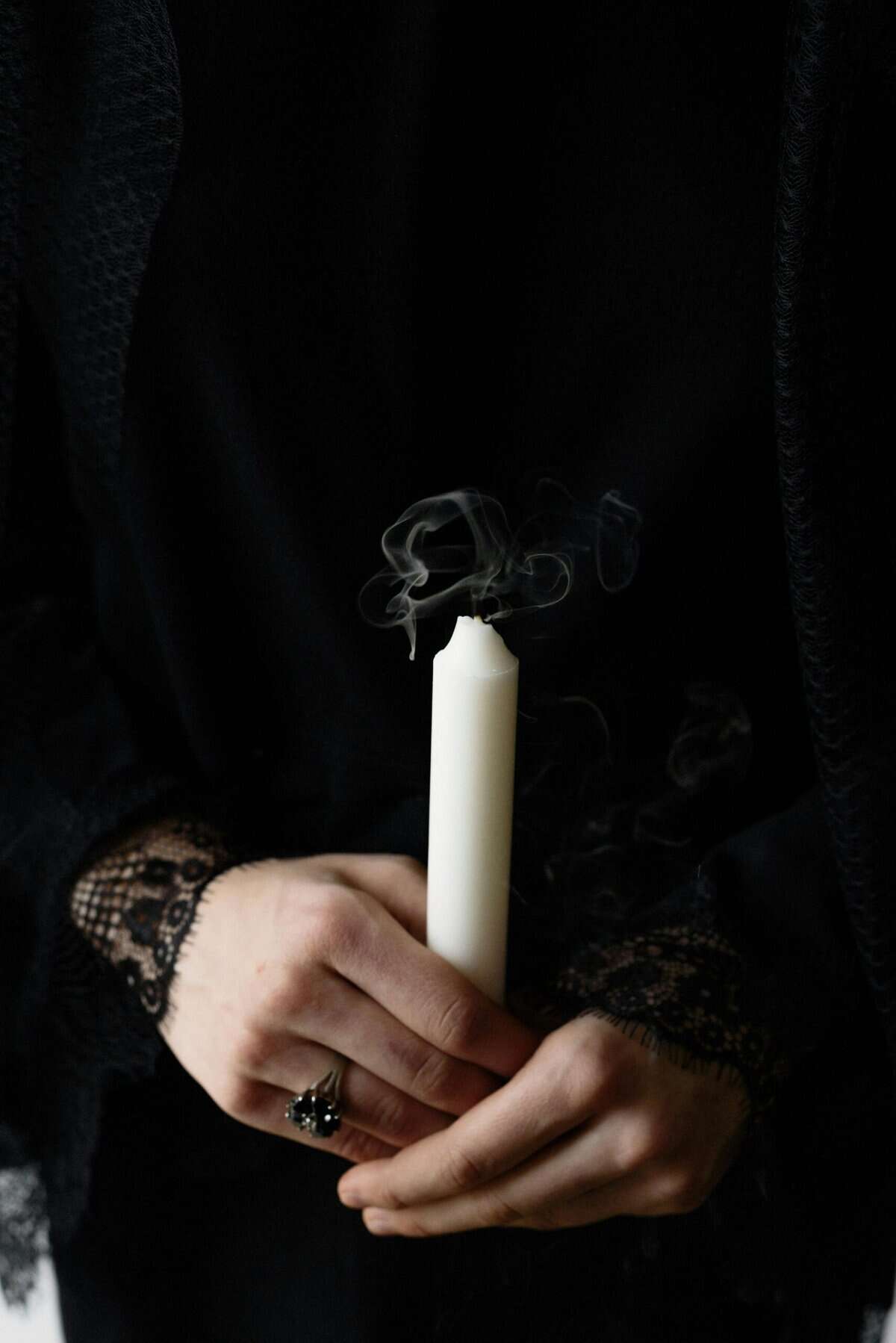
Instead, many people discover comfort by gently adapting old rituals into meaningful and personalised new practices. Therefore, lighting a candle or preparing their favourite dish can create space for remembrance and healing. Meanwhile, a moment of silence shared with loved ones often provides emotional connection and gentle reassurance. Additionally, research highlights that creating personalised rituals fosters resilience and meaning during the grieving journey after loss. Ultimately, adapting traditions allows individuals to honour their loved one while caring for their healing process.
3) You Should Communicate Your Needs Clearly
Let friends and family know clearly how they can best support you during difficult emotional times. Maybe you prefer quiet solitude, or perhaps you want loving company to help balance the weight of grief. Being transparent about your needs reduces pressure, prevents confusion, and encourages stronger communication with those around you. Others cannot guess your feelings accurately, so providing clear direction allows them to respond with genuine compassion. At the end, honesty about your preferences strengthens connections and fosters healthier emotional resilience throughout the grieving process.
4) Plan Ahead to Protect Your Emotional Wellbeing
Anticipation frequently weighs more heavily than the actual day because the mind builds scenarios that magnify emotional expectations and fears. Planning in advance helps create stability, giving individuals a stronger sense of agency when navigating emotionally challenging occasions like birthdays or holidays. Surrounding yourself with supportive loved ones can reduce isolation, offering comfort and reassurance during moments when grief feels particularly sharp. Volunteering your time to meaningful causes transforms painful energy into purposeful action, fostering resilience and connection with others. Reflection in quiet moments allows emotional release, providing space to honour memories while also protecting personal mental wellbeing.
5) Customised Commemorations: Honour Their Memory With Action
Some people discover healing when they actively honour their loved one’s memory through meaningful commemorative actions and traditions. Others may donate generously to causes their loved one valued, creating a lasting impact that reflects their passions. Families often build memory books filled with photos, letters, and personal stories that preserve cherished connections across generations. Friends can gather together to share anecdotes, laughter, and tears, ensuring the loved one’s presence continues to resonate. Communities sometimes organise remembrance events, encouraging collective healing and providing opportunities to strengthen bonds through shared grief. Ultimately, such acts transform individual sorrow into connection, keeping their legacy alive while nurturing resilience and hope.
Finding Meaning in the First Year of Grief
Grief reshapes us profoundly, and the first year teaches acceptance while adjusting to unfamiliar emotional reality during bereavement daily. Meanwhile, holidays and birthdays may never feel identical, yet they still hold unique significance and personal meaning for individuals always. Therefore, embracing these milestones differently allows gentle healing while preserving cherished memories of your loved one throughout ongoing grief journey. Alternatively, stepping back or celebrating in smaller ways provides comfort without guilt, during particularly challenging emotional times for individuals coping. Honoring their memory also means valuing your own growth, self-care, and emotional wellbeing throughout the healing journey ahead.
Final Thoughts on Customised Commemorations
To close off, grief reshapes everyone’s journeys through loss, yet commemorations offer meaningful ways to honor loved ones over time. Additionally, individuals discover balance by embracing memories while creating new traditions that gently strengthen their resilience and emotional wellbeing. Healing becomes possible when people acknowledge emotions, seek support, and make space for remembrance and growth.
Written by Christine Fava
If you think that you can benefit from professional support on this issue you can reach out here.
Christine Fava is an integrative coach at Willingness. She graduated from the University of Malta with an Honours degree in Psychology and is pursuing an ICF Diploma in Integrative Coaching. Christine’s passions include integrative coaching, believing it helps individuals achieve their personal and professional goals by addressing topics like confidence, relationships, time management, and stress management.
References
American Psychiatric Association. (2013). Diagnostic and statistical manual of mental disorders (5th ed.). Arlington, VA: American Psychiatric Publishing.
Neimeyer, R. A., Klass, D., & Dennis, M. R. (2014). A social constructionist account of grief: Loss and the narration of meaning. Death Studies, 38(8), 485–498. https://doi.org/10.1080/07481187.2014.913454
Romanoff, B. D., & Terenzio, M. (1998). Rituals and the grieving process. Death Studies, 22(8), 697–711. https://doi.org/10.1080/074811898201227