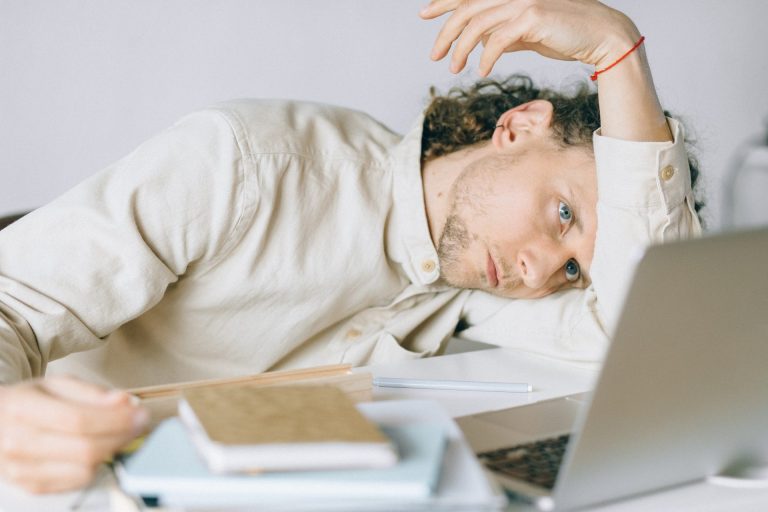

Anxiety Is Not Just in Your Head Recognising the Physical Symptoms
Most people associate anxiety with racing thoughts, excessive fear, or constant worry, which are common experiences. However, anxiety also manifests physically, affecting the body in ways that can easily be overlooked or misunderstood. Indeed, many individuals first recognise anxiety through physical symptoms, often mistaking them for unrelated medical conditions requiring urgent attention. Therefore, understanding bodily manifestations of anxiety is crucial for effective recognition, accurate management, and long-term emotional and physical wellbeing.
Understanding the Body’s Stress Response
Anxiety activates the body’s fight-or-flight response, releasing stress hormones like cortisol and adrenaline into circulation. These hormones prepare the body for perceived danger, creating physical readiness for immediate protective action. However, frequent or prolonged activation keeps the body in heightened arousal, straining overall physical and mental health. This constant activation can lead to troubling symptoms that interfere with daily functioning and wellbeing. Common physical signs include muscle tension, tremors, sweaty palms, and frequent headaches disrupting concentration. Additionally, gastrointestinal distress such as nausea or Irritable Bowel Syndrome often develops when anxiety persists untreated. Ultimately, fatigue and dizziness appear, compounding other symptoms, making anxiety’s physical impact both undeniable and significant.
Why Anxiety Can Mimic Cardiac Symptoms
Firstly, chest pain is an alarming anxiety symptom that often drives individuals to seek urgent emergency medical evaluation quickly. Moreover, anxiety-related chest pain may feel sharp, tight, or pressure-like, closely mimicking distressing signs commonly associated with a heart attack. Additionally, such sensations are often produced by hyperventilation, chest wall muscle tension, and elevated heart rate during stress responses. Therefore, these symptoms are real and frightening, even though they may not originate from underlying cardiovascular disease or structural problems. Ultimately, recognising anxiety’s potential to mimic cardiac symptoms is crucial for managing fear, reducing panic, and encouraging accurate medical assessments.
Recognising Anxiety Breathing Difficulties During Stressful Episodes
Therefore, chest pain caused by anxiety feels frightening, though it does not always indicate serious heart disease. Moreover, ruling out genuine medical causes remains essential, ensuring accurate diagnosis while preventing unnecessary distress and overlooked conditions. Additionally, anxiety triggers hyperventilation, muscle strain, and rapid heartbeat, creating chest discomfort that mimics alarming cardiovascular symptoms. Furthermore, recognising this link reduces panic, allowing individuals to respond calmly and seek appropriate medical or psychological support. Ultimately, understanding anxiety’s physical effects empowers better management, improving resilience and supporting long-term wellbeing through effective coping strategies.
Recognising Chest Pain Triggered by Anxiety
Firstly, chest pain during anxiety often connects with hyperventilation, chest wall tension, and an elevated heart rate. Moreover, these sensations develop from the body’s stress response, activating protective mechanisms unnecessarily during perceived threats. Additionally, pain caused by anxiety feels alarmingly real, often producing heightened fear, panic, and worry in individuals. However, such chest discomfort is usually unrelated to cardiovascular disease or any underlying structural heart issues. Ultimately, recognising anxiety’s influence on chest pain reduces unnecessary panic and supports healthier, more effective management strategies overall.
Distinguishing Anxiety from Medical Conditions
Initially, anxiety symptoms often overlap with physical illness, complicating the accuracy of diagnosis significantly. Secondly, recognising these overlaps requires careful consideration of specific contexts. Moreover, chest pain occurring during stress may indicate anxiety rather than heart issues. Additionally, accompanying symptoms like trembling or breathlessness strengthen suspicion of anxiety involvement. However, individuals should avoid self-diagnosing anxiety without professional input and assessment. Therefore, seeking medical help ensures accurate diagnosis and appropriate treatment recommendations. Ultimately, professional guidance supports recovery while reducing fear, confusion, and unnecessary health-related distress effectively.
How Lifestyle Changes Reduce Anxiety
Firstly, anxiety-related physical symptoms improve significantly when individuals adopt lifestyle adaptations, attend therapies, and consider medication where appropriate. Secondly, talking therapies including psychotherapy, counselling, and psychology provide effective strategies for managing anxiety symptoms and building resilience. Thirdly, mind-body practices like yoga, deep breathing, and progressive muscle relaxation regulate the nervous system and reduce stress. Finally, consistent practice of these approaches enables individuals to regain control, strengthen overall wellbeing, and manage anxiety more effectively.
Final Thoughts on Anxiety Breathing Difficulties
To wrap things up, recognising anxiety as a physical condition enables earlier action, reduces unnecessary panic, and strengthens coping strategies for improved long-term management. Moreover, acknowledging that body and mind are deeply connected empowers individuals to listen carefully, respond wisely, and build resilience when confronting stress and anxiety. Therefore, prioritising both physical and mental wellbeing creates holistic health, supporting balance, stability, and confidence across everyday life and unexpected emotional challenges.
Written by Charlot Cauchi
If you think that you can benefit from professional support on this issue you can reach out here.
Charlot Cauchi is a Gestalt Psychotherapist at Willingness. He has experience working with adult clients with mental health difficulties, anxiety and depression, loss and grief, traumatic experiences, stress and relational issues.
References
Shin, K. E., & Lee, S. H. (2021). The association between physical symptoms and anxiety disorders: A systematic review. Journal of Affective Disorders, 291, 33-45.