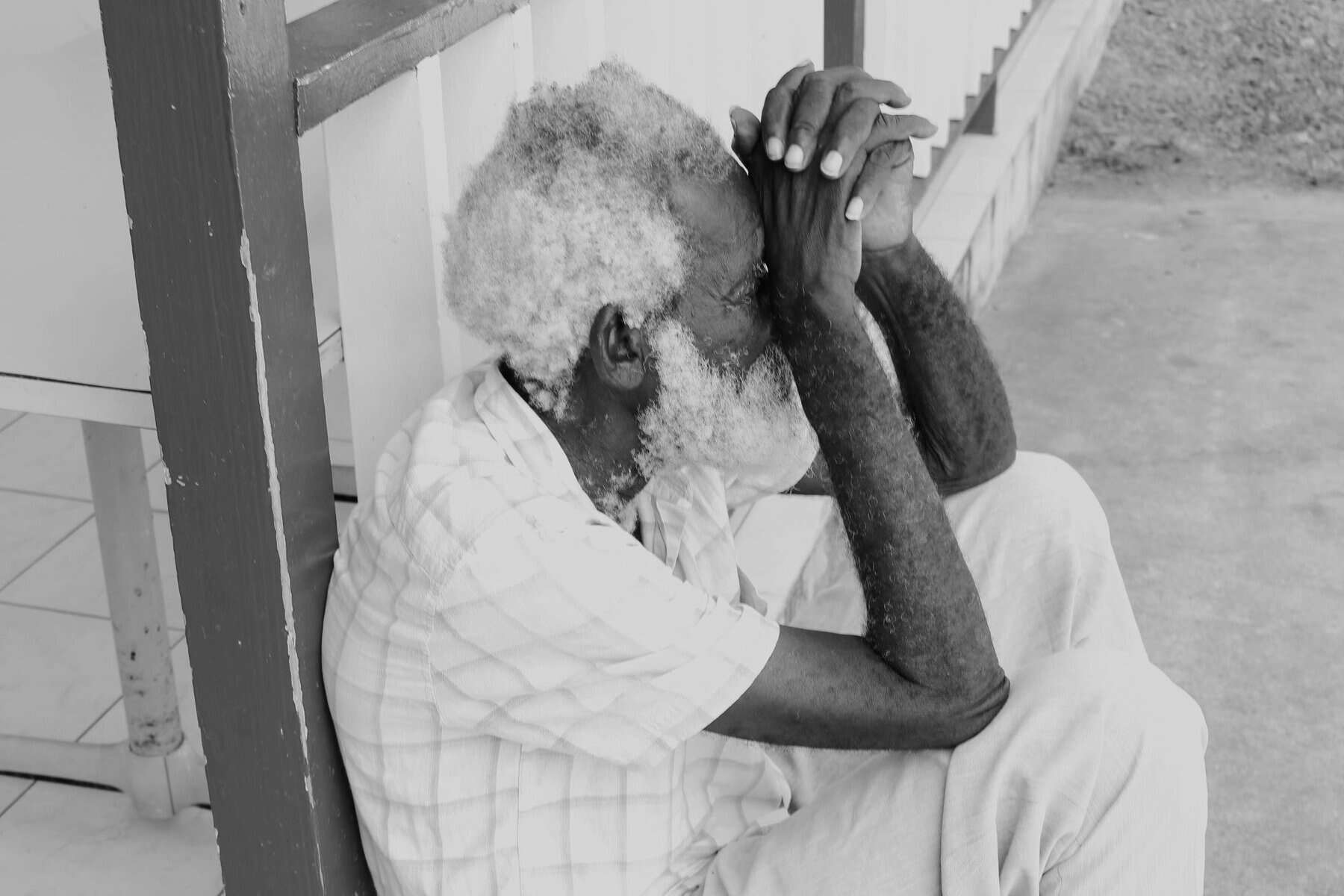
08_2025 Cancer in Older Adults Part 1
As people grow older, the likelihood of cancer increases, making it vital to consider broader wellbeing impacts. Moreover, cancer in later life affects physical health and social relationships, shaping independence and everyday functioning. Consequently, a biopsychosocial perspective helps professionals understand experiences holistically, addressing physical, psychological, and social needs within supportive care.
Physical, Emotional, and Social Impacts of Cancer
Ageing bodies work harder to maintain balance, leaving older adults more vulnerable to health complications and illnesses. Energy levels naturally decline, making daily tasks and physical activity more difficult for many older adults. The immune system weakens progressively, reducing the body’s ability to defend against infections and serious diseases. Many older adults experience additional conditions like heart problems, arthritis, or diabetes that further complicate their health. When multiple health challenges combine, maintaining independence and stability becomes an ongoing struggle requiring resilience. Therefore, ageing with chronic conditions and vulnerability highlights the importance of comprehensive healthcare tailored for older adults.
Everyday Struggles of Older Adults with Cancer
When cancer combines with treatments, the overall impact on older adults becomes overwhelming. Moreover, tiredness often limits activity, making daily tasks increasingly difficult. Additionally, pain and frailty interfere with mobility, independence, and general quality of life. Therefore, older adults face unique struggles requiring careful medical attention and compassionate support. Ultimately, addressing these challenges holistically ensures dignity, resilience, and improved wellbeing during treatment.
How Older Adults Cope with Psychological Strain
Psychologically, a cancer diagnosis creates a heavy burden, shaping thoughts, emotions, and daily wellbeing. Hearing the word “cancer” brings fear, uncertainty, and distress at any stage. Moreover, older adults often experience added weight, tied to independence, vulnerability, and mortality. Some may feel anxious, fearing the future or grieving their lost independence. Others may worry about burdening family members, straining relationships and increasing guilt. Additionally, resilience and wisdom from hardships faced before strengthen adaptability during illness. So long story short, this inner strength serves as a powerful ally when coping with cancer.
Drawing Strength from Life Experience in Later Years
Furthermore, cancer impacts more than the patient, altering family dynamics and reshaping established social roles. Often, children or spouses take on caregiving responsibilities, adjusting routines and priorities significantly. While, these new roles can foster closeness, they may also lead to dependency and emotional strain. Moreover, caregivers often feel overwhelmed, balancing responsibilities while coping with their own personal challenges. Consequently, family members may experience guilt, believing they are not providing enough support. Additionally, social lives become disrupted, limited by hospital visits and decreased opportunities for connection. Ultimately, strong communication and support networks help families adapt effectively and maintain resilience during difficult times.
Life Experience Helping Older Adults Face Cancer Challenges
On top of frequent hospital visits, reduced mobility often increases loneliness and isolation among older adults. Moreover, financial worries may emerge unexpectedly, especially when treatment costs rise and burden families significantly. However, strong support systems including friends, family, and community groups provide comfort and reduce emotional strain. Additionally, practical assistance with daily tasks reinforces independence and helps older adults maintain dignity despite illness. At the end, combining emotional encouragement with practical support ensures resilience, promoting better quality of life throughout cancer treatment.
Final Thoughts on Life Experience
To close off, supporting older adults with cancer requires recognizing the combined medical and social factors that shape wellbeing. Furthermore, a biopsychosocial perspective enables professionals to protect dignity while addressing physical health, psychological resilience, and meaningful relationships. Holistic care that promotes independence, connection, and quality of life offers the strongest support throughout later-life cancer experiences.
Written by Yaser Teebi
If you think that you can benefit from professional support on this issue you can reach out here.
Yaser Teebi works as a Clinical Psychologist and Gerontologist at Willingness. He works with a variety of complex issues and adult age groups, including chronic pain, mental health issues such as depression and anxiety, trauma, loss, grief and bereavement, relationships and cognitive impairment. He’s graduated from the following degrees with Merit: Bachelor of Psychology (Hons), a Master of Gerontology and Geriatrics, and a Master of Psychology in Clinical Psychology, all at the University of Malta. He is currently reading for a PhD in Clinical Psychology and Geriatrics at the University of Birmingham.