How movement can help process trauma
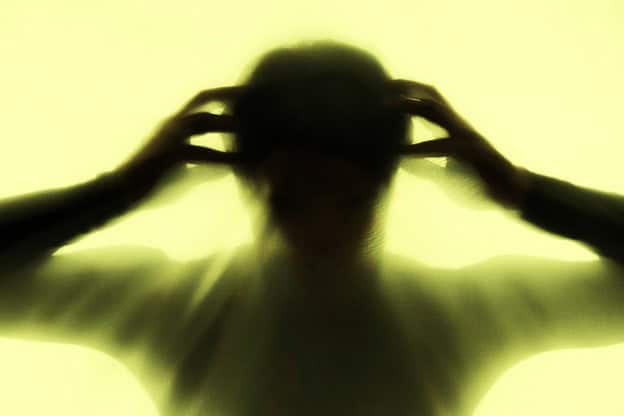
Everyone recognises those moments when sudden waves of anger, fear, or sadness appear unexpectedly and overwhelm the senses completely. Meanwhile, physical reactions like a tight chest, trembling hands, or a churning stomach remind us how emotions live within the body. Ultimately, calming the mind can feel impossible at times, even when the moment causing distress has long since passed.
Finding Calm Through Movement and Nature
Sometimes, traditional calming techniques like deep breathing or grounding exercises may not offer immediate relief from distress. Instead, people often find that physical movement or simple tasks like walking or cleaning help them feel more settled. Perhaps this is because the body needs to release stored tension before the mind can fully process emotional pain. Movement offers a powerful, accessible way to support trauma recovery without needing to explain everything with words. Therefore, this blog explores how engaging the body can gently guide the nervous system toward balance, healing, and renewed emotional safety.
Releasing Trauma Through Mindful Movement
People who carry trauma often experience lingering sensations as their bodies continue to react long after the original event has passed. Memories remain active within the body, keeping emotional and physical responses alive through tension, discomfort, or sudden waves of distress. Eventually, even subtle reminders can trigger fear or sadness, showing how trauma extends beyond thought into deeply rooted bodily reactions.
Grateful Grounding In Motion: Reconnecting Body and Mind Through Movement
Interestingly, neuroscientists and somatic therapists agree trauma is stored not only in the mind but also within the physical body. Consequently, the body can remain on high alert, reacting to perceived danger even when the present moment is objectively safe. Similarly, subtle triggers like a sound, scent, or facial expression may instantly reawaken distressing memories from past experiences. Ultimately, these responses highlight how deeply trauma imprints itself on both emotional awareness and physical sensation over time.
Releasing Trauma Through the Body’s Natural Language
On the other hand, what becomes trapped within the body can also find release through intentional movement and breath. Sometimes, movement reaches emotional spaces that spoken language cannot easily access or explain. Rhythm allows the body to express experiences stored deep within muscles and memory. Gradually, physical motion builds trust between mind and body, creating space for deeper emotional healing. Engaging in movement offers a powerful path to release, clarity, and inner connection beyond traditional talk therapies.
Grateful Grounding In Motion: Reconnecting Body and Mind Through Movement
Movement acts as a meaningful dialogue between your body and mind, allowing emotions to flow and release naturally. Walking or dancing freely encourages relaxation and helps restore emotional clarity after overwhelming experiences. Rhythmic activities like swimming or gentle stretching support the nervous system and promote a deeper sense of calm. Engaging in consistent movement nurtures balance, reduces anxiety, and fosters a stronger connection with your inner self. Ultimately, moving your body mindfully transforms emotional tension into strength, peace, and renewed mental wellbeing.
Grateful Grounding In Motion: A Gentle Path to Emotional Healing
Additionally, movement boosts serotonin and endorphins, which naturally lift mood and support emotional balance during stressful periods. Regular weekly activity, even just ninety minutes, can improve focus, increase resilience, and raise overall energy levels. Gradually, consistent movement patterns teach the brain to regulate responses more calmly and reduce the intensity of stress triggers. Physical activity becomes a reliable tool for enhancing mental wellbeing and maintaining emotional stability through everyday challenges.
Simple, accessible ways to move
One of the most beautiful things about movement as healing is how simple it is. You do not need fancy equipment or a perfect routine, just a willingness to reconnect with your body.
Try starting small:
- Take a slow walk and notice your breath and the way your feet meet the ground.
- Stretch before bed and feel your shoulders relax.
- Put on your favourite song and dance for a few minutes, even if it feels silly.
You might be surprised how quickly your body starts to soften once it feels seen and heard.
Grateful Grounding In Motion: A Pathway to Trauma Recovery
Regular movement allows your body and mind to reconnect, releasing tension and creating space for emotional recovery. Gradually, you feel more grounded, emotionally balanced, and aware of your internal state throughout the day. Therefore, many trauma experts now recognise movement as a therapeutic tool rather than just a fitness routine. Consistency in gentle physical activity helps rewire stress responses and reinforces feelings of safety within the nervous system. Ultimately, movement becomes a trusted pathway to healing, offering strength, stability, and calm with every mindful step.
Using Movement to Support Emotional Healing
Firstly, movement teaches the brain that familiar triggers no longer signal threat, helping to rewire automatic responses with calm awareness. Secondly, it gently transforms fear into grounded presence and helplessness into a sense of internal strength and choice. Meanwhile, repeated physical activity builds emotional safety, reinforcing the message that healing can begin through the body’s own wisdom. Consistent movement reminds us that recovery often unfolds one breath, one rhythm, and one grounded step at a time.
Final Thoughts
To conclude, healing unfolds gradually as the body and mind relearn safety through consistent compassion, awareness, and gentle movement practices. Moreover, every mindful step you take strengthens emotional stability and nurtures the connection between inner calm and physical resilience. Therefore, by embracing patience and presence, you allow genuine transformation to emerge naturally within the balance of motion and stillness.
Grateful Grounding In Motion: Written by Augustė Glumbakaitė
Augustė Glumbakaitė was an intern with Willingness Malta. From workshops in different fields of psychology and supervision meetings, to the unforgettable experience of working with neurodiverse children, he learned about ADHD, autism, and how to provide emotional support during festivals to those who needed it most. Beyond that, Glumbakaitė also explored how different drugs affect the brain and behavior, how to recognize the symptoms of overdose, and what steps to take in those situations.
References list
Mizzi, A. L., McKinnon, M. C., & Becker, S. (2022). The impact of aerobic exercise on
mood symptoms in trauma-exposed young adults: A pilot study. Frontiers in Behavioral
Neuroscience, 16, 829571. https://doi.org/10.3389/fnbeh.2022.829571
Ruf, A., Ahrens, K. F., Gruber, J. R., Neumann, R. J., Kollmann, B., Kalisch, R., Lieb,
K., Tüscher, O., Plichta, M. M., Nöthlings, U., Ebner-Priemer, U., Reif, A., & Matura,
S. (2024). Move past adversity or bite through it? Diet quality, physical activity, and
sedentary behavior in relation to resilience. American Psychologist, 80(2), 180–192.
https://doi.org/10.1037/amp0001423
Sweeney, A., Clement, S., Filson, B., & Kennedy, A. (2016). Trauma-informed mental
healthcare in the UK: What is it and how can we further its development? Mental Health
Review Journal, 21(3), 174–192. https://doi.org/10.1108/MHRJ-01-2015-0006
Wang, Z., Jiang, B., Wang, X., Li, Z., Wang, D., Xue, H., & Wang, D. (2023).
Relationship between physical activity and individual mental health after traumatic
events: A systematic review. European Journal of Psychotraumatology, 14(2), Article
2205667. https://doi.org/10.1080/20008066.2023.2205667