
Panic disorder
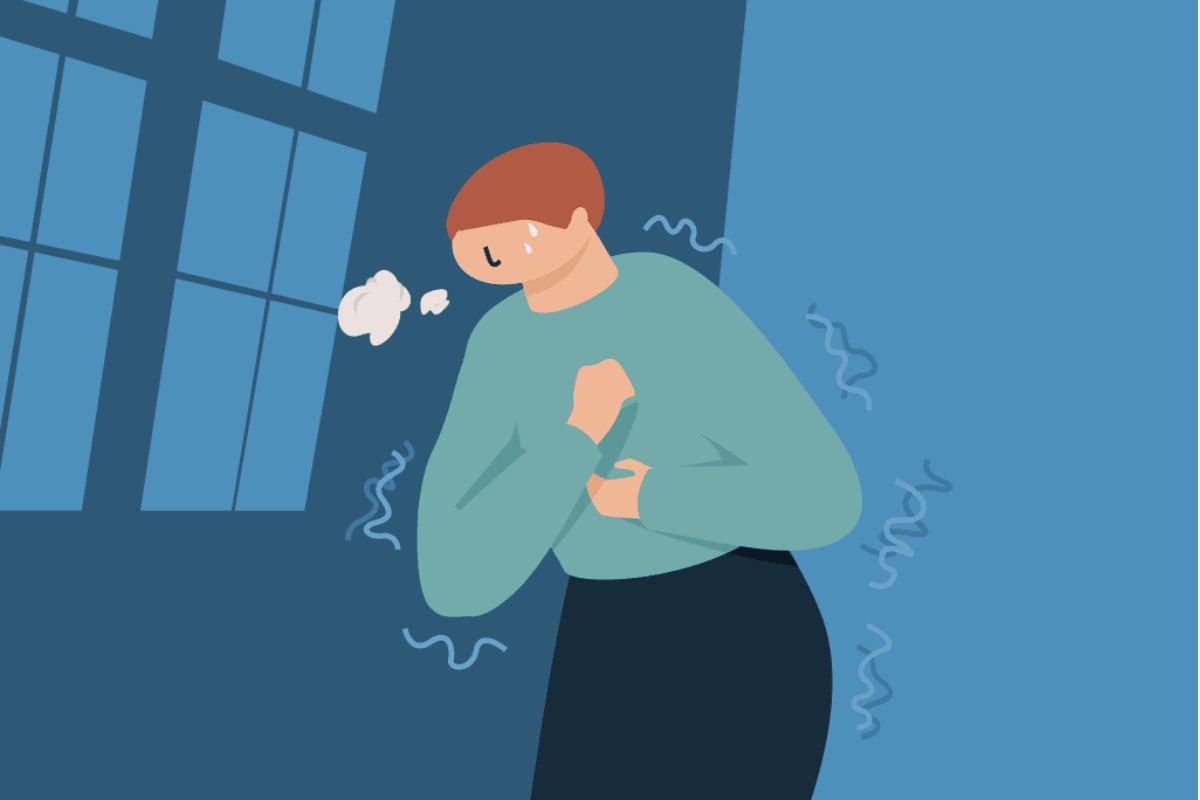
Panic disorder involves sudden fear episodes without clear triggers or warning signs. Meanwhile, these episodes often bring intense physical symptoms like dizziness or chest pain. Additionally, heart palpitations and shortness of breath can make the experience feel overwhelming and frightening. Ultimately, even without obvious stressors, the body reacts as though danger is present.
Understanding Heart Palpitations During Panic Attacks
Therapists often shape treatment plans based on their orientation, tailoring the approach to best suit the client’s unique needs. Personally, although I practise as a Gestalt therapist, I integrate cognitive behavioural elements where appropriate to enhance therapeutic outcomes. However, I will focus solely on the Gestalt perspective here, leaving CBT discussions for another post or separate resource. Gestalt therapy highlights the power of supportive relationships and explores clients’ lived experiences through a phenomenological lens. This approach helps individuals make meaning of panic experiences and weave them into a coherent personal narrative.
Heart Palpitations as a Symptom of Panic Disorder
Panic attacks can completely disrupt an individual’s emotional and psychological stability, leaving them feeling ungrounded and overwhelmed instantly. Suddenly, the body’s automatic functions like breathing or heart rate become terrifying focal points instead of unnoticed processes. Questions arise internally as people monitor themselves anxiously, wondering whether they can walk, breathe, or think clearly during an episode. Eventually, after the initial experience, individuals may avoid similar situations out of fear of triggering another panic attack.
How Life Transitions Can Trigger Panic Attacks
Typically, individuals experience their first panic attack between adolescence and their mid-thirties, often during major developmental life transitions. Meanwhile, this phase involves gaining independence and navigating emotional separation from familiar support systems or home environments. Gradually, leaving the family nest requires breaking down existing foundations and establishing new personal structures for emotional grounding. Ultimately, these significant shifts can challenge one’s internal stability, making them more vulnerable to heightened anxiety and panic symptoms.
Heart Palpitations Caused by Panic Disorder
Firstly, individuals experiencing panic attacks may feel caught between past support systems that have weakened and future ones that are not yet dependable or stabilising. Meanwhile, their increasing autonomy often creates a tension when emotional or relational support does not develop at the same pace or intensity. Consequently, panic attacks may emerge in moments when this imbalance becomes too overwhelming for the nervous system to regulate effectively. These experiences reflect not personal failure, but a profound need for connection, grounding, and meaning within evolving networks of belonging.
Heart Palpitations and What Causes Panic Disorder
Sometimes, panic disorder is triggered by an unexpected loss that occurs beyond the individual’s control or conscious decision-making process. Often, this loss destabilises the person just as they are seeking greater independence, causing internal conflict and emotional disorientation. Additionally, such moments intensify the need for external support, even when one strives to appear strong and self-reliant. However, this experience contrasts sharply with societal messages that emphasise individualism and discourage reliance on others for emotional stability. So it highlights the importance of acknowledging interdependence, especially when navigating grief, loss, or sudden emotional disruption.
Rebuilding Connection Through the Therapeutic Relationship
Therapists guide clients to release unhelpful ties and begin forming healthier, supportive connections with others. Initially, the therapeutic relationship serves as a model for rebuilding trust and emotional safety. Gradually, clients start recognising their own capacity to connect meaningfully and receive support without fear. Eventually, this process encourages them to explore new relationships with greater openness and confidence. Belonging becomes something they experience internally and externally, fostering resilience and emotional regulation over time.
Heart Palpitations: What They Mean and When to Worry
Firstly, autonomy develops through dependence, as both are essential parts of emotional growth. Secondly, young children require connection before learning how to separate safely. Moreover, feeling securely attached helps individuals take emotional nourishment into future experiences. Ultimately, we must belong somewhere first in order to leave with confidence later.
How to support someone with Panic Disorder
It‘s also crucial to help clients make sense of their symptoms. To find a connection between their physical symptoms and their fear; to connect that fear with a sort of pain they have within themselves; to help them reconstruct their networks of belonging and ways of finding support; to help them go from this new way of belonging into separation and independence. Clients often feel disoriented in this new and scary world they‘re thrown into with the onset of symptoms.
Heart Palpitations: Understanding the Causes and Emotional Impact
Firstly, it is important to support clients in finding language that captures their panic experiences meaningfully and clearly. Secondly, helping them reconstruct what happened before and after the panic attack creates a sense of narrative continuity and context. Moreover, positioning the panic as a response to lived experiences allows it to feel less random and more understandable. Consequently, the therapist can guide the client to locate panic within their personal history as an emerging, recognisable pattern. Ultimately, a pivotal therapy moment occurs when the client realises their panic is no longer strange but entirely understandable.
Final Thoughts
To conclude, panic becomes meaningful when understood as a reflection of one’s inner experience rather than a purely physical disturbance. Moreover, recognising its emotional origin allows individuals to respond with curiosity and compassion instead of fear or avoidance. Consequently, this awareness empowers lasting change by transforming panic from a symptom of crisis into a guide toward personal growth and healthier living.
Heart Palpitations: Written by Branka Mlinar
If you think that you can benefit from professional support on this issue you can reach out here.
Branka Mlinar is a psychologist and Gestalt therapist offering psychotherapy and counselling to adolescent and adult individuals. She’s mostly worked with problems of anxiety, interpersonal and relationship issues, procrastination, work-related stress, trauma, and grief.
References
Francesetti, G. (2007). The phenomenology and clinical treatment of panic attacks. Panic attacks and postmodernity: Gestalt therapy between clinical and social perspectives, 64-134. Francesetti, G., Gecele, M., & Roubal, J. (2013). Gestalt therapy approach to psychopathology. Gestalt Therapy in Clinical Practice. From Psychopathology to the Aesthetics of Contact; Francesetti, G., Gecele, M., Roubal, J., Eds, 59-76.