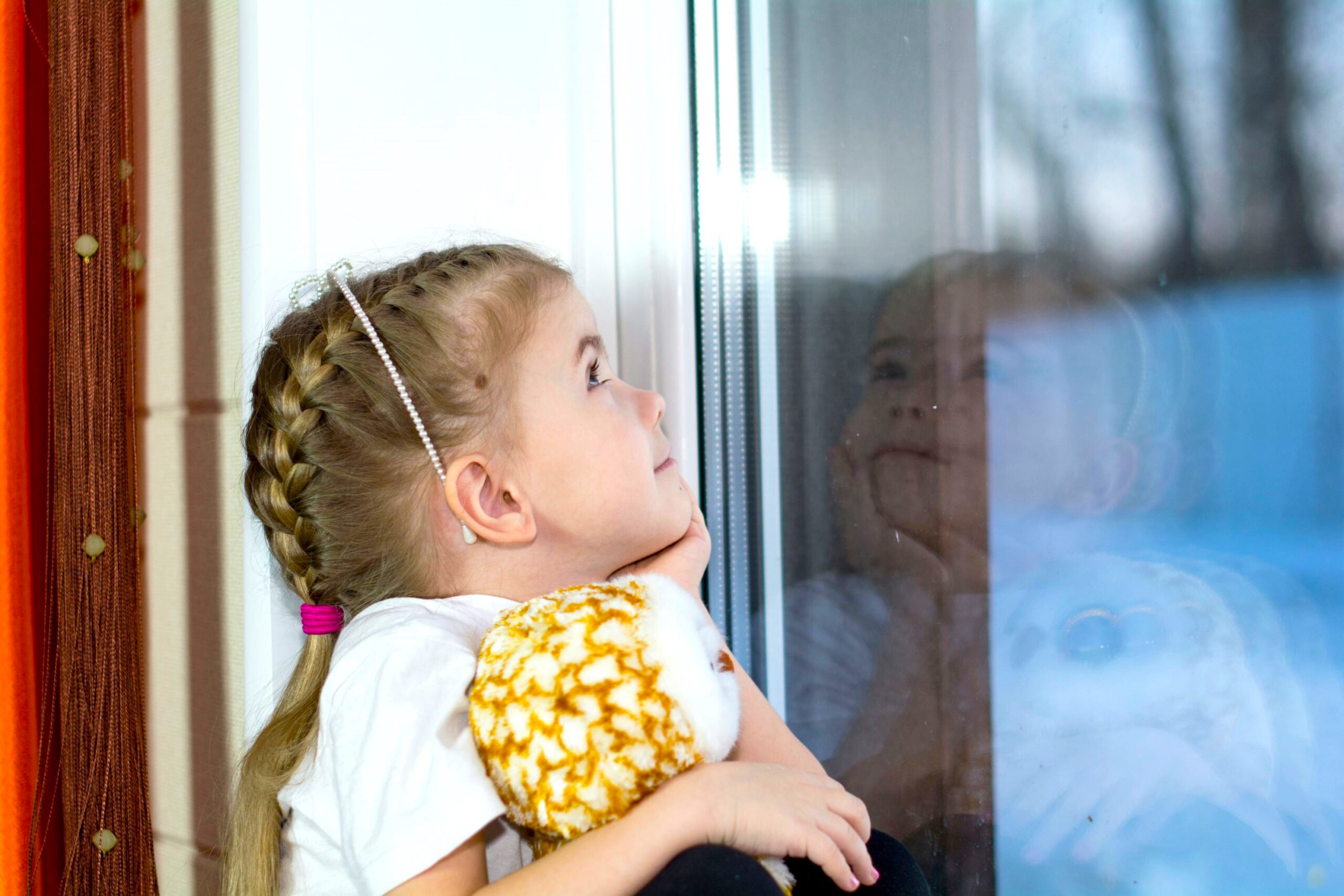
Divorce – Helping the children cope
Divorce introduces significant emotional adjustments that affect family stability, routines, and relationships for everyone involved. Moreover, although parents make the decision to separate, children often struggle to comprehend the reasons behind it. Consequently, without clear reassurance and support, young minds may experience confusion, insecurity, and emotional distress during this transition.
Kids Understanding Separation Aims and Objectives
This blog aims to guide parents in supporting children through separation with clarity, reassurance, and emotional sensitivity. Secondly, it explains common emotional reactions children experience during divorce and significant family restructuring. Furthermore, it offers practical strategies to strengthen reassurance, open communication, and emotional stability within the home environment. Additionally, it highlights the importance of consistent routines, predictable structures, and secure parental attachment during uncertainty. Moreover, it encourages parents to model calm, respectful behavior while managing their own emotions responsibly. It promotes evidence-based approaches that prioritize children’s psychological wellbeing, resilience, and long-term emotional development.
Kids Understanding Separation: Clear Communication and Reassurance
Parents should explain clearly that the divorce concerns their relationship and not the child, using simple and reassuring language. Secondly, they must reassure the child that parental love remains constant, stable, and unconditional despite the separation. Furthermore, parents should emphasize that children cannot be divorced from either mother or father under any circumstances. Additionally, they need to clarify that the decision results from adult matters entirely beyond the child’s control or responsibility. Finally, parents should invite questions openly and provide honest, age-appropriate answers to reduce confusion, anxiety, and misplaced guilt.
Guiding Children Through Emotional Change
Importantly, parents can reinforce security by consistently expressing love both verbally and through dependable, nurturing daily actions and predictable routines. Furthermore, repeated reassurance helps children internalize the message that separation does not alter parental commitment, stability, or emotional availability. Consequently, parents should clearly and calmly state that the divorce decision rests solely with adults and never reflects the child’s behavior, choices, or worth.
Thriving Through Divorce Transitions Together
Firstly, parents should actively listen to their child, creating a calm and safe space for open emotional expression and honest dialogue. Secondly, they must encourage questions and respond with truthful, age-appropriate explanations that provide clarity, reassurance, and a sense of stability. Furthermore, acknowledging the child’s emotions demonstrates respect and validates their internal experience during periods of uncertainty and change. Additionally, parents should normalize feelings such as sadness, anger, confusion, or fear without dismissing, correcting, or minimizing them. This supportive and emotionally attuned approach helps children understand that their emotions are valid, manageable, and worthy of compassion.
Kids Understanding Separation: Protecting Children from Conflict
Parents should avoid arguing or blaming one another in front of their child during separation, even in subtle ways. Furthermore, visible conflict can create anxiety and pressure the child to align emotionally with one parent over the other. Additionally, children may internalize this tension and feel responsible for restoring harmony or protecting a distressed parent. Moreover, repeated exposure to hostility can weaken their sense of emotional safety, predictability, and relational security. Consequently, maintaining calm, respectful communication consistently protects the child from feeling divided, conflicted, or unfairly forced to take sides.
Final Thoughts on Kids Understanding Separation
To conclude, parents must recognize that supporting their child effectively requires attending to their own emotional wellbeing first. Seeking guidance from trusted friends, family members, or professional communities strengthens resilience during this transition. When parents feel supported and emotionally regulated, they are better equipped to provide stability, reassurance, and calm leadership.
Written by Alessia Camilleri
Alessia Camilleri is a first year Bachelor of Psychology (Hons.) student at the University of Malta. She is particularly interested in the counselling and family therapy services and is also an intern at Willingness.com.mt.