
From Schedule Fights to Silent Nights: 5 Tips for Drama-Free Holidays in Divorced Families
Navigating the holiday season requires patience as families adjust to new traditions and changing emotional needs together. Moreover, creating celebrations after separation needs communication and respect to support every family member during this time. Ultimately, embracing change helps families reduce stress, build connection, and create more peaceful and meaningful festive experiences together.
1) Redesigning Holidays After Separation: Start Planning Early and Stay Flexible
Scheduling often creates tension as divorced families try to divide holiday time fairly without disrupting routines or expectations significantly. Moreover, parents may argue over Christmas plans, especially when both want to share important and meaningful moments with their children. Additionally, communication often breaks down when individuals make assumptions or avoid discussing arrangements early, leading to misunderstandings and unnecessary emotional conflict. Furthermore, travel plans can increase pressure, particularly when they clash with agreed parenting schedules or long-standing family traditions and expectations. Flexibility helps reduce resentment and encourages cooperation, allowing families to enjoy a more peaceful, balanced, and positive holiday experience together.
Redesigning Holidays After Separation: A Guide to Peaceful Planning and Meaningful Family Time
Successful divorced families plan early and communicate clearly to reduce stress, ensuring smoother holiday arrangements and stronger emotional balance for everyone involved. Creating a shared holiday calendar well in advance encourages cooperation, trust, and mutual understanding between parents who prioritise their children’s best interests. Approaching each discussion with flexibility helps both households adapt to changes calmly while promoting fairness and mutual respect throughout the festive season. Demonstrating willingness to compromise reassures children they are loved equally by both parents, fostering emotional security and a sense of family unity.
2) Prioritising Your Children’s Needs During the Holidays
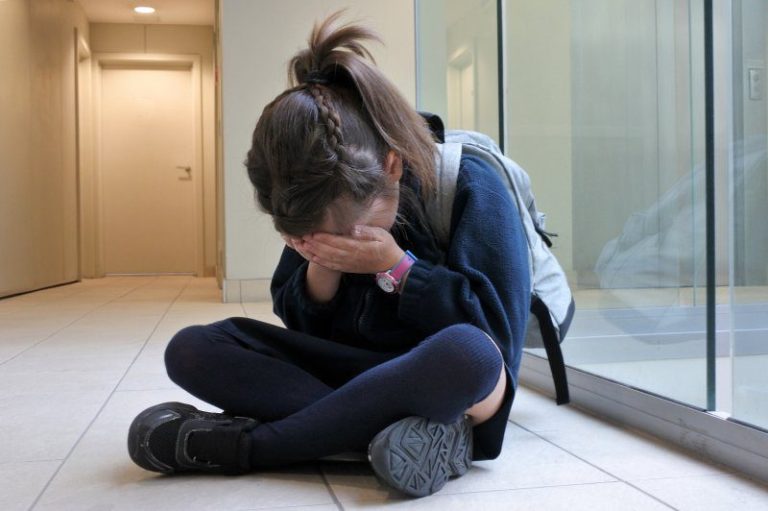
Firstly, holidays after divorce often bring emotional confusion for children, who may struggle to understand shifting family dynamics and divided festive traditions. Meanwhile, they can feel torn between both parents, sometimes experiencing guilt for enjoying themselves in one home while worrying about the other. Additionally, this internal conflict can lead to anxiety, making it difficult for them to fully relax and enjoy the holiday period. Ultimately, even with carefully planned schedules, emotional tensions may still arise and impact the overall atmosphere of the celebrations.
Helping Children Feel Emotionally Secure at Christmas
It’s important for parents to consistently reassure children that it’s okay to love and spend time with both sides of the family. Avoid placing emotional pressure on them, and never speak negatively about the other parent in front of them. Instead, focus on creating a calm, safe environment where children can enjoy the season without guilt. Children also benefit from having some input. Whether it’s helping decide which traditions to continue or choosing which activities they enjoy. When they feel included, they are more likely to adapt to new routines with a sense of ownership and security.
3) Redesigning Holidays After Separation by Redefining Traditions
Traditionally, many holiday rituals are shaped around the concept of an intact family, yet divorce can transform these once-comforting customs into painful emotional reminders. Therefore, rather than recreating the past exactly as it was, families can embrace the opportunity to establish new traditions that reflect their present reality. Ultimately, by introducing unique activities or routines, parents and children can maintain continuity while fostering a sense of connection, belonging, and emotional renewal.
Creating New Traditions That Fit Your Family Now
Some families choose to travel during holidays, finding it easier to embrace new traditions in unfamiliar and neutral environments. Others explore creative alternatives at home, such as themed dinners or volunteer activities that promote togetherness. Parents often feel less pressure to meet unrealistic expectations when they shift focus from perfection to presence. Children tend to respond positively when celebrations prioritise emotional connection over material excess or strict routines. Families benefit most when they create space for joy, flexibility, and meaningful shared experiences.
4) Avoid Letting Parental Guilt Influence Holiday Decisions
Although guilt is common after divorce, especially during the holidays, it can cloud judgement and lead to emotionally driven decisions. Meanwhile, some parents may overcompensate by overspending, over-scheduling, or creating elaborate plans in hopes of easing their children’s discomfort. However, despite good intentions, this often increases stress without truly improving the holiday experience for anyone involved. Focusing on emotional presence and realistic expectations allows families to enjoy more meaningful and balanced celebrations together.
Creating Emotionally Healthy Holiday Experiences for Children
Families benefit most when they prioritise emotional presence, routine, and calm throughout the holiday season together. Celebrations feel more meaningful when shaped by love, not external expectations or pressure. Instead, parents should focus on building genuine moments that foster warmth, security, and joyful connection. Children remember the feelings shared more than the perfection of gifts, decorations, or holiday plans. At the end of the day, setting realistic goals and staying present helps create a peaceful and fulfilling festive experience.
5) Redesigning Holidays After Separation: Acknowledge Emotions Without Letting Them Take Over
Holidays often stir unresolved emotions from divorce, affecting both children and adults as they attempt to navigate seasonal changes in family dynamics and routines. Sometimes, emotions like sadness or anger surface unexpectedly, creating tension that can overshadow moments intended for joy, comfort, and connection. Parents must recognise these feelings early, choosing to address them constructively rather than allowing them to dominate the shared family experience. Everyone benefits when emotional awareness becomes a priority, helping to maintain a calm atmosphere where healing and togetherness can naturally flourish.
Managing Emotions for a Calmer Holiday Season
Firstly, rather than suppressing emotions, consider exploring healthy outlets to express and understand your feelings. Secondly, options such as journaling, therapy, or mindful breathing can offer emotional relief. Meanwhile, creating time for self-reflection allows parents to respond calmly during moments of stress or tension. Additionally, managing personal emotions sets a powerful example of emotional maturity for children to follow. Ultimately, children thrive when their parents demonstrate self-awareness and create emotionally safe spaces during difficult times.
Managing Your Holiday Season Emotions
However, acknowledging tough emotions during the holidays allows families to respond with care rather than react impulsively under stress. Therefore, instead of suppressing feelings, parents can model emotional regulation and resilience throughout seasonal changes. Meanwhile, children benefit greatly when adults express vulnerability appropriately, offering them permission to process their own emotions safely. Furthermore, setting realistic expectations fosters a peaceful environment where joy can naturally emerge despite lingering challenges. Long story short, choosing calm over control helps divorced families create meaningful traditions grounded in acceptance, connection, and emotional well-being.
Final Thoughts on Redesigning Holidays After Separation
To wrap up, divorced families can embrace change, creating balanced celebrations that support children’s emotional security and personal growth. Communication and flexibility help parents build meaningful holiday experiences based on understanding and cooperation. Letting go of expectations helps families create peace and build lasting memories during their post-divorce journey.
Written by Tinkara Klinc
If you think that you can benefit from professional support on this issue you can reach out here.
Tinkara Klinc is a Trainee Psychologist who works with adolescents and young adults offering support sessions. She is interested in child development and family dynamics, and is also furthering her education in the field of Developmental analytical psychotherapy.
References
Backer, E., & Schänzel, H. (2013). Family holidays—Vacation or obli-cation? Tourism Recreation Research, 38(2), 159–173.
Bates, M. J., & Gentry, J. W. (1994). Keeping the Family Together: How We Survived the Divorce. Advances in Consumer Research, 21(1).
Gram, M. (2005). Family holidays. A qualitative analysis of family holiday experiences. Scandinavian Journal of Hospitality and Tourism, 5(1), 2–22.
Oshiki, J. (2022). What we can’t avoid (Master’s thesis, Colorado State University).