
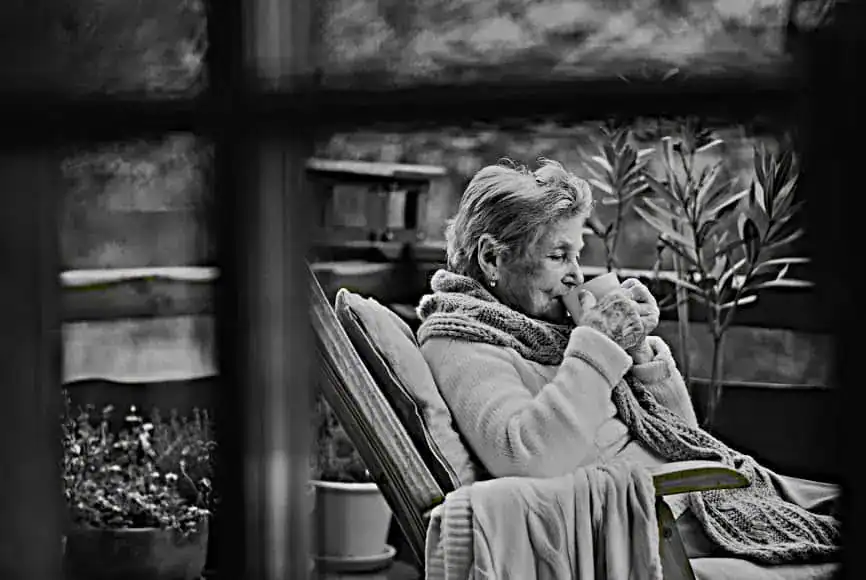
How Mindfulness Helps With Elderly Anxiety
As we age, life introduces transitions that influence emotional wellbeing and may gently bring feelings of uncertainty. Furthermore, these experiences can encourage reflection while also increasing moments of worry, unease, or emotional vulnerability. Practicing mindfulness with patience and compassion can help individuals acknowledge these emotions and manage anxiety in calming ways.
Through The Power of Noticing
Mindfulness means intentionally focusing on the present moment with full attention and a non-judgmental mindset. Instead of letting thoughts drift, we purposefully notice our breath, body sensations, and the environment around us. Every moment becomes an opportunity to observe without needing to fix, change, or escape. Through this practice, we build awareness of what is real and steady in the here and now. By observing gently, we learn to stay with our experience without fear or resistance.
Back to the Present
For older adults, mindfulness becomes a valuable tool in managing daily emotional challenges. Anxiety often builds when thoughts constantly shift toward uncertain future events. Instead of remaining trapped in these worries, mindfulness brings awareness gently back to the present. Each moment offers a chance to reset and reconnect with calm and clarity. Breathing deeply can help anchor the body and quiet racing thoughts effectively. Practising this consistently supports emotional regulation and mental focus throughout the day. Moreover, noticing thoughts without judgment allows for greater self-kindness and acceptance. Gradually, this approach creates more emotional space to handle anxiety with strength. Even simple practices like mindful walking or breathing make a real difference. Ultimately, returning to the present moment through mindfulness brings peace and steadiness.
Stillness in Everyday Moments
Here is a simple example that illustrates how mindfulness works during anxious moments in everyday life. Imagine you are sitting quietly in a chair, and suddenly your mind begins racing with worries about an upcoming doctor’s appointment. Instead of following those anxious thoughts, you gently shift your focus to your feet touching the floor, the rhythm of your breath, or the background sounds outside your window. Although this does not make the appointment go away, it meaningfully reduces the power those thoughts hold over your emotional state.
Finding Calm Within
Mindfulness also helps you observe anxious thoughts without reacting immediately. Instead of spiralling, you pause, breathe, and respond calmly. Eventually, this steady practice strengthens emotional resilience through repeated mindful choices. There are many ways to practice mindfulness, even if you are new to it:
- Mindful breathing: Spend a few minutes just paying attention to your in-breath and out-breath.
- Body scan: Gently notice how each part of your body feels, from your toes to the top of your head.
- Mindful walking: Take a short walk, paying attention to how your feet feel on the ground, or notice the colours and sounds around you.
Embracing Stillness to Ease Elderly Anxiety
You do not need to sit cross-legged or meditate for a long period of time to benefit. Even a few minutes each day spent focusing on your breath can create noticeable shifts in your emotional wellbeing. For older adults dealing with anxiety, practicing mindfulness can open a calming space of emotional safety and inner stability. This gentle awareness helps bring the mind back from future worries to what is steady and real in the moment. Instead of reacting to anxious thoughts, we learn to pause, observe them, and soften our response. That way, we remind ourselves that even in uncertainty, there is always a safe place within.
Final Thoughts
To wrap up, mindful awareness can help individuals reconnect with calm and meaning as life naturally evolves with age. Furthermore, approaching challenges with patience and self-compassion supports emotional balance and resilience during later life experiences. Consequently, small moments of stillness can nurture wellbeing and help individuals rediscover peace within everyday life.
Stillness: Written by Charlot Cauchi
If you think that you can benefit from professional support on this issue you can reach out here.
Charlot Cauchi is a Gestalt Psychotherapist at Willingness. He has experience working with adult clients with mental health difficulties, anxiety and depression, loss and grief, traumatic experiences, stress and relational issues.
References
American Psychological Association. (2019). Mindfulness meditation: A research-proven way to reduce stress. https://www.apa.org/topics/mindfulness/meditation