To protect or Not to protect children? That is the question – Part 2 of 2
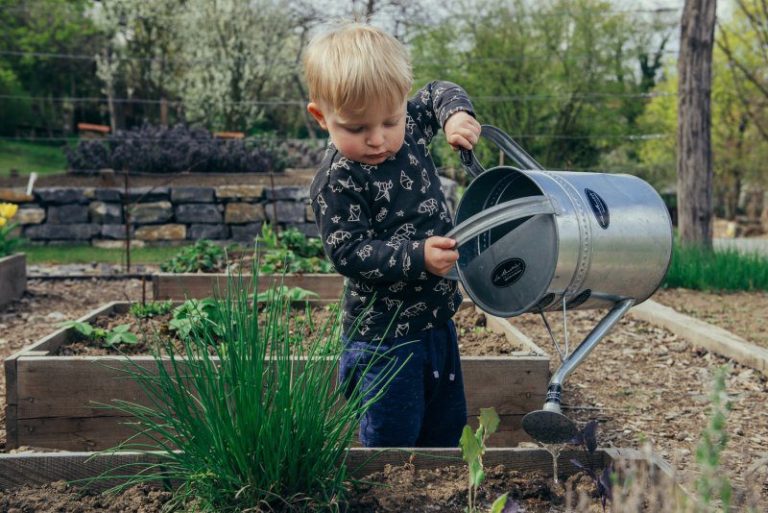
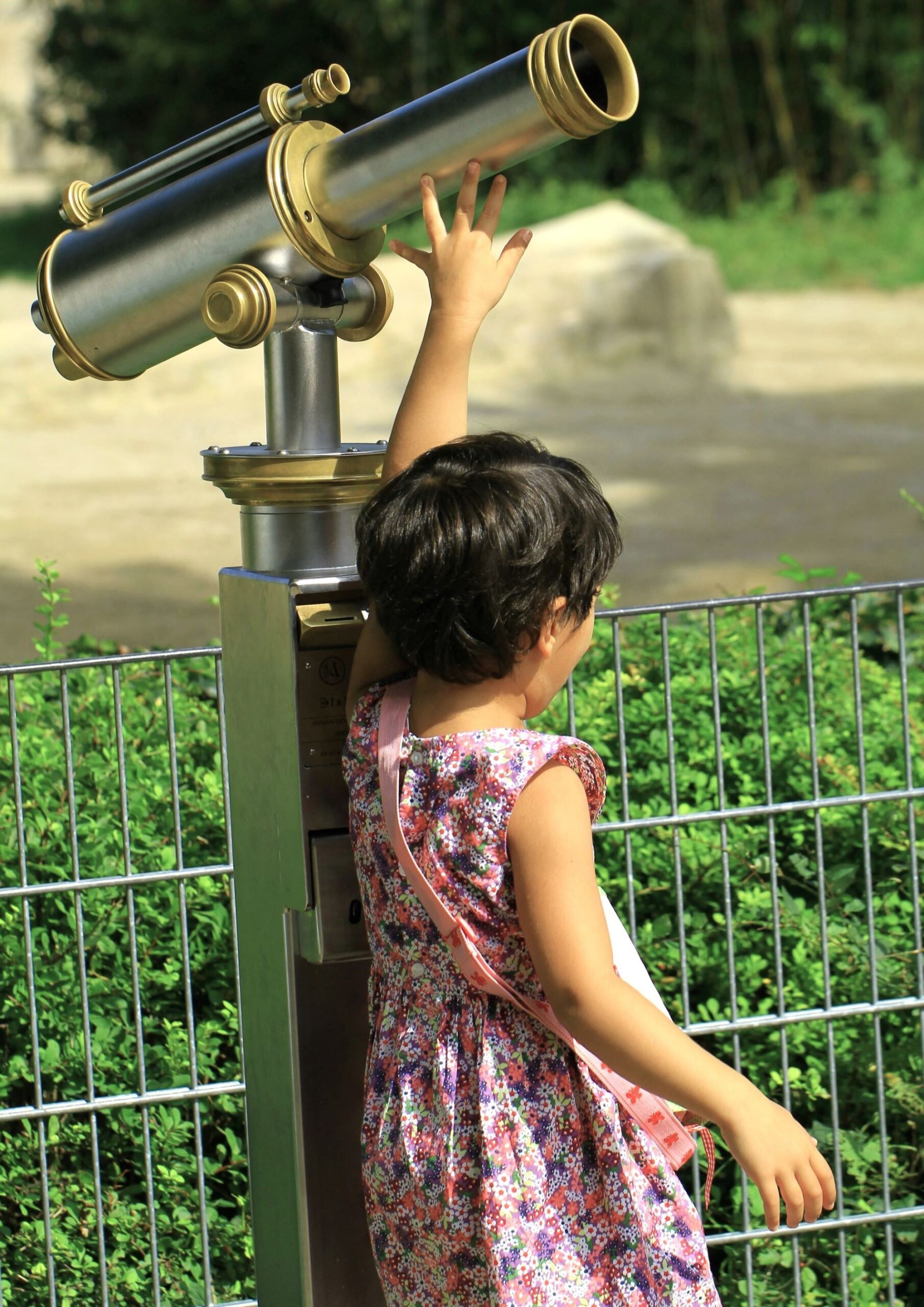
All children naturally explore their surroundings with enthusiasm, asking questions and engaging deeply with anything that sparks interest. Curiosity drives them to test boundaries, seek knowledge, and build confidence through first-hand experience and meaningful interaction. Every child learns by doing, especially when adults encourage independent thinking and emotional development through everyday moments.
Encouraging Healthy Independence Through Trust and Gentle Parental Guidance
Curiosity fuels children’s natural desire to explore, understand, and engage with their environments daily. Moreover, exploration plays a vital role in shaping autonomy and emotional development. Sometimes, overprotective parenting unintentionally stifles growth, even when driven by love and concern. Parents can instead nurture healthy independence through trust, consistency, and guided freedom. Therefore, this blog continues from PART 1 by focusing on practices that encourage self-reliance. Ultimately, readers will discover how protection and freedom can coexist when guided by conscious, balanced parenting approaches.
Learning Through Life’s Little Messes and Everyday Exploration
Sometimes, children stumble as they explore, learning important lessons with every scrape, trip, or muddy tumble they take. Occasionally, they will rip clothes, scuff shoes, or lose cherished accessories while chasing curiosity through outdoor adventures. Moreover, these small mishaps teach resilience, reminding children that mistakes are part of growing, not something to fear. Ultimately, the freedom to fall, get dirty, and try again supports emotional strength and healthy self-confidence in everyday life.
Parenting Practices Promote Protection While Encouraging Resilience and Independence
Surely, children will experience scraped knees, bruises, and frustration while learning to navigate the world independently. Occasionally, they will fall, argue, or face teasing from others during social interactions or outdoor play. Gradually, these moments build resilience, helping them cope with setbacks and develop emotional problem-solving skills. Therefore, parents should support without overprotecting, encouraging autonomy and self-trust in their child’s development. It’s through these imperfect experiences that children grow into capable, confident, and emotionally healthy individuals.
Trial and Error: Letting Children Learn What Works Through Experience
Naturally, children need space to make mistakes and experiment with different strategies while working towards their personal goals. Moreover, a certain level of missteps builds confidence, problem-solving skills, and emotional strength through trial and error. Sometimes, success only comes after setbacks that teach persistence, adaptability, and the importance of self-belief. Ultimately, these small failures support long-term achievement as children learn how to think critically, manage frustration, and discover what truly works for them.
Parenting Practices Promote Protection While Encouraging Growth Through Everyday Challenges
Every failed attempt offers children the chance to adapt, reflect, and grow stronger with each experience. Sometimes, climbing a ladder or resolving conflict teaches them more than instant success ever could. Moreover, development happens when challenges feel tough but remain within reach, encouraging persistence and emotional maturity. Ultimately, these setbacks are necessary moments that build resilience, resourcefulness, and essential life skills. Indeed, children become capable through struggle, not avoidance, when supported with empathy, encouragement, and appropriate levels of guidance.
Parenting Practices Promote Protection Through Encouraging Independent Growth and Emotional Resilience
Naturally, children observe their environment closely and experiment with actions to improve their physical and mental skills. Meanwhile, each repetition helps refine coordination, shaping their problem-solving abilities with patience and determination. Additionally, children remain persistent, adjusting behaviours until they experience progress through their own trial and error. Eventually, success emerges not from perfection but from continuous attempts, learning, and slight corrections along the way. This process nurtures both independence and confidence, essential for emotional and cognitive development.
Choosing Your Parental Battles: Protecting Without Overcontrolling
It’s quite natural that modern parenting requires presence and attention, but it’s unrealistic to prevent every bump, fall, or emotional discomfort children may face. However, constantly monitoring every moment drains energy quickly, leaving little space for reflection, patience, or emotional balance within the parent-child relationship. Therefore, it’s wise to conserve energy by protecting against only serious risks, while allowing manageable challenges to support learning and independence.
Parenting Practices Promote Protection While Encouraging Safe Exploration and Independence
Sometimes, when risk is minimal, parents can observe calmly while children experiment, explore, and build confidence through trial and error. Additionally, staying within visible distance allows children to feel secure while developing autonomy and decision-making skills in real time. Ultimately, encouraging children to assess situations themselves supports emotional growth, resilience, and the development of lifelong problem-solving abilities.
Being a Safe Base: Supporting Children Through Challenge and Comfort
Sometimes, children only need to know their trusted adult remains nearby as a steady emotional anchor. Moreover, parents provide that refuge, calmly offering comfort when difficulties arise. Ultimately, being emotionally available during distress builds safety, security, and essential lifelong attachment. Therefore, recharge your child’s confidence by becoming their consistent, supportive presence through uncertainty and overwhelm. This experience reinforces the belief that someone will help when the outside world becomes too much.
Final Thoughts
To wrap things up, children develop stronger emotional foundations when parents allow space for mistakes, growth, and guided independence daily. Gradually, they learn to navigate life with confidence, resilience, and trust in their personal capabilities. Consistently, such experiences plant the seed that later blossoms into secure, balanced, and self-aware personalities in adulthood.
Parenting Practices Promote Protection: Written by Steve Libreri
Steve Libreri is a social worker and parent coach within Willingness. He offers parent coaching and social work sessions. He can be contacted on [email protected].