
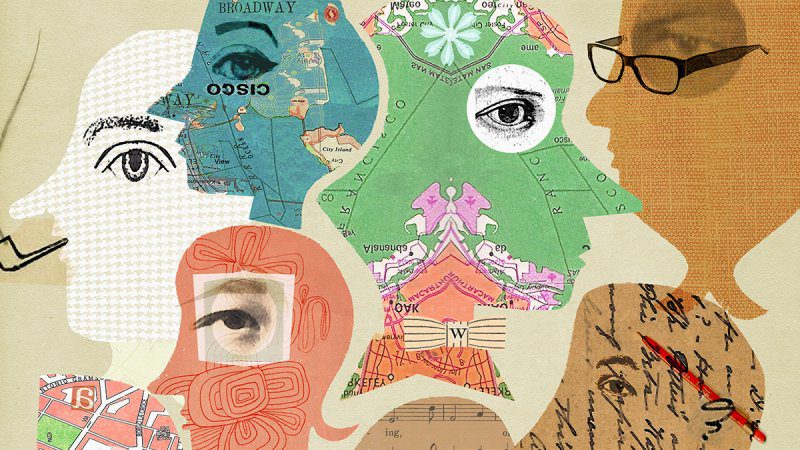
Understanding personality traits | Part 1
Personality can be defined as a relatively stable way individuals organize their thoughts and behavior across situations consistently. Moreover, this stability provides a sense of identity, enabling individuals to understand themselves and navigate social interactions effectively. Personality represents both self-identity and relational patterns, shaping how individuals perceive, respond to, and connect with others meaningfully.
Personality Traits Explained: Understanding Identity and Behavior
Firstly, everyone possesses a unique style of relating to others, shaped by combinations of semi-automatic personality traits. Moreover, these traits, such as openness or temperament, influence behavior while allowing individuals some conscious choice in actions. Additionally, the phrase ‘semi-automatic’ highlights that personal choices matter, even when acting against habitual tendencies proves challenging. Furthermore, longitudinal research demonstrates that personality traits are not fixed, showing measurable changes over time across diverse populations and contexts. Consequently, understanding personality requires recognizing both stability and flexibility in how individuals express traits across situations. This knowledge enables insight into personal growth, relational dynamics, and the ways people adapt over their lifespan.
Personality Traits Explained: Causes and Development
Personality disorders emerge when developmental processes are incomplete, affecting long-term emotional, cognitive, and relational functioning. Moreover, biological factors, including genetics and neurodevelopment, significantly influence the manifestation of personality disorders. Additionally, early relational experiences shape personality, and unresolved developmental issues can repeatedly cause interpersonal and emotional challenges. Consequently, these difficulties highlight the importance of understanding developmental influences to guide effective therapeutic interventions and support.
Identifying Personality Disorders: Signs and Impact
When personality traits form a long-term, rigid, and repetitive pattern, they may cause significant distress and indicate a developing personality disorder. Moreover, over time, this inflexibility often leads to persistent difficulties in maintaining nourishing, supportive, and meaningful connections with others across different situations. Such patterns frequently emerge from adolescence or early adulthood, influencing relational functioning, emotional wellbeing, and overall life satisfaction over time.
Personality Traits Explained: Seeking Support and Understanding
Because this condition closely relates to identity, individuals may struggle to accept that aspects of themselves cause distress. Moreover, acknowledging these patterns can feel painful, as it challenges deeply held beliefs about the self and personal functioning. Additionally, individuals may resist labelling their experiences, focusing instead on managing distress without fully recognizing underlying personality patterns. Furthermore, seeking professional support allows individuals to explore these difficulties within a safe, structured, and non-judgmental therapeutic environment. Consequently, therapy focuses on understanding recurring patterns, helping individuals gradually build awareness and develop more adaptive ways of relating. Finally, this process supports meaningful change, enabling individuals to reduce distress and improve their overall relational and emotional wellbeing.
Analyzing Histrionic Traits: Origins and Meaning
The term ‘histrionic’ originates from the Latin word ‘histriōnicus’, meaning related to acting and theatrical performance styles. Moreover, this origin reflects behaviors characterized by dramatic expression, emotional intensity, and a strong desire for attention from others. Additionally, individuals displaying histrionic traits may communicate in exaggerated ways, often seeking validation and engagement within social and relational contexts. Furthermore, these patterns can influence relationships, shaping how individuals express emotions and connect with others in everyday interactions. Understanding the term’s origin helps clarify how these traits develop and manifest within personality and interpersonal dynamics.
Social Styles and Emotional Expression
A histrionic style reflects a strong need for attention and approval, shaping how individuals relate to others within social interactions and emotional exchanges. Moreover, this style often involves dramatic and expressive behaviors, which may lead to impulsivity, heightened emotional expression, and misinterpretation of relationship closeness or emotional intimacy. Reliance on external validation can affect self-esteem, causing distress when attention is lacking and reinforcing a continuous need for affirmation and reassurance from others.
Personality Traits Explained: Histrionic Patterns and Attention-Seeking
Firstly, individuals with strong histrionic traits may use attention-seeking behaviors, including sexuality, to attract validation from others within social interactions. Moreover, while many people display some histrionic traits, excessive or inappropriate expression can lead to distress and difficulties across various situations. Additionally, these patterns may interfere with forming genuine connections, as interactions can feel superficial or misaligned with others’ emotional expectations. Furthermore, individuals with histrionic personality disorder often experience emotional instability, which can increase vulnerability to low mood and depressive symptoms. Consequently, these relational challenges can reinforce feelings of disconnection, making it harder to build stable, supportive, and meaningful relationships over time.
Final Thoughts
To wrap up, this perspective encourages more compassionate understandings of personality, fostering empathy in how we relate to others. Moreover, recognizing recurring patterns supports reflection, helping individuals make more intentional and healthier relational choices over time. Seeking professional support when distress persists can guide individuals towards developing healthier patterns. More to come in PART 2.
Personality Traits Explained: Written by Amber Tabone
Amber Tabone practices Gestalt Psychotherapy with individuals and couples at Willingness, currently reading for a Master’s in Psychotherapy. She’s developed an interest in working with relationships, gender, and sexuality. This is due to her experience with families and domestic violence issues.
References
American Psychiatric Association. (2013). Diagnostic and statistical manual of mental disorders (5th ed.). Arlington, VA: Author.
Delisle, G. (1999). Personality Disorders. Ottowa: CIG Press. Retrieved 9 17, 2020
Goldberg, J. (2018, 5 11). WebMD. Retrieved 9 12, 2020, from https://www.webmd.com/mental-health/histrionic-personality-disorder#2
Roberts, B. W., Wood, D., & Caspi, A. (2008). The development of personality traits in adulthood. In O. P. John, R. W. Robins, & L. A. Pervin (Eds.), Handbook of personality: Theory and research (p. 375–398). The Guilford Press.