
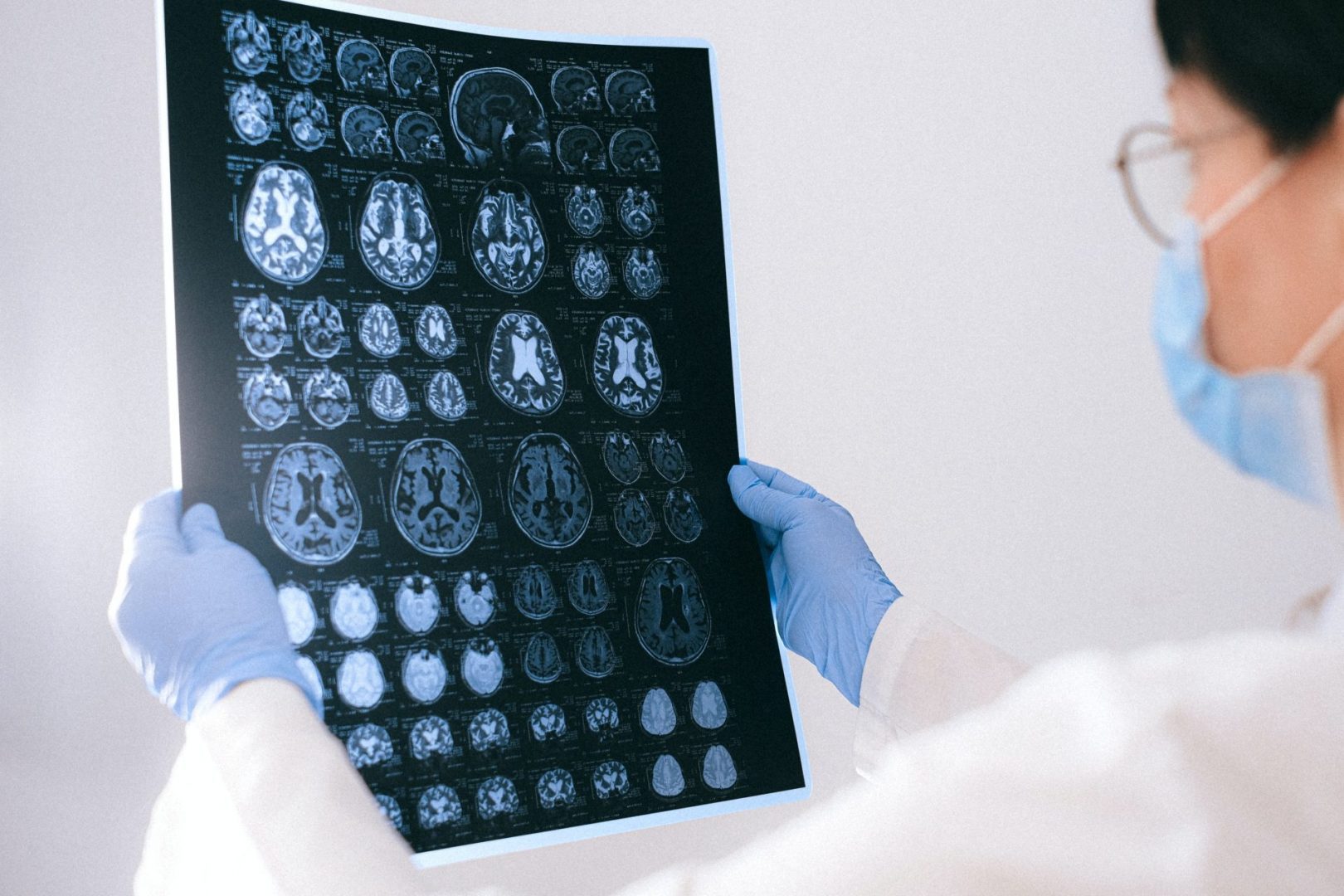
Rewiring the Brain: Trauma and Neuroplasticity
The human brain is a remarkable organ that continuously adapts and evolves throughout our lives constantly. Moreover, it responds to diverse experiences and stimuli, both positive and negative, through a process called neuroplasticity. However, this same neuroplasticity can also contribute to mental health disorders, particularly when individuals experience significant trauma.
Understanding the Stress Response
The body activates its stress response system to protect individuals during dangerous or life-threatening situations quickly and effectively. Moreover, stress hormones such as cortisol and adrenaline prepare the body to confront threats by increasing alertness, energy, and focus. However, when stress becomes prolonged or traumatic, the body remains in a constant state of activation, overwhelming natural recovery processes. Consequently, this sustained activation disrupts brain functioning, particularly in areas responsible for memory, emotional regulation, and decision-making abilities. Such ongoing dysregulation increases vulnerability to serious mental health disorders, especially when individuals experience repeated, intense, or unresolved traumatic events.
The Connection Between Trauma and Neuroplasticity
Post-Traumatic Stress Disorder (PTSD) is one of the most detrimental consequences of ongoing traumatic stress. The symptoms of PTSD include intrusive, uncontrollable flashbacks, constant hyperarousal (i.e., feeling on edge all the time), and avoidance behaviors, including emotional numbing. In addition, nightmares, trouble sleeping, substance abuse, depression, and a higher risk of suicide are common in people with PTSD.
Trauma Brain Repair and Its Dual Impact
Commonly observed in people with PTSD, traumatic stress develops from experiences causing intense fear, helplessness, or overwhelming horror. Moreover, repeated exposure to such events increases the probability of PTSD development, impacting emotional stability and overall mental health. Neuroplasticity enables the brain to modify structure and function in response to environmental or internal stimuli across a lifetime. However, while neuroplasticity often supports learning and recovery, it can also reinforce harmful patterns that prolong psychological distress and dysfunction.
When Healing Creates New Challenges
For instance, the brain reorganizes itself after traumatic brain injury, sometimes triggering epilepsy development. Consequently, neural connections change in ways that may cause recurrent seizure activity. Similarly, neuroplasticity can contribute to chronic pain after spinal cord injury or amputation. Moreover, such pain may persist even when no physical cause remains present. Additionally, altered brain signaling patterns can reinforce the perception of non-existent pain sensations. Therefore, understanding these processes is essential for developing effective treatment strategies and interventions. Likewise, early rehabilitation efforts may help minimize maladaptive neuroplastic changes after severe injuries. Furthermore, targeted therapies can retrain neural pathways and reduce persistent pain symptoms. Research into neuroplasticity offers promising possibilities for improving recovery outcomes. In conclusion, addressing these changes early can enhance quality of life significantly.
The Lasting Impact of Traumatic Memories
From a psychiatric perspective, stressful situations can significantly alter memory processes. Moreover, these alterations often involve both consolidation and reconsolidation of memories. PTSD frequently presents with intrusive memories that may emerge as distressing flashbacks. Additionally, hyperarousal of psychophysiology commonly accompanies these intense and vivid flashback experiences. Although neuroplastic changes support adaptation, they can also reinforce negative behavioral patterns. Consequently, stress-enhanced memory reconsolidation may sustain dysfunctional coping mechanisms in affected individuals. Ultimately, such prolonged dysfunction can severely impact overall health and emotional well-being.
Final Thoughts
To finish off, innovative approaches use neuroplasticity to help individuals manage PTSD symptoms through evidence based therapeutic interventions. Additionally, these methods reduce trauma impact while strengthening coping mechanisms and resilience. Understanding neuroplasticity enables professionals to support recovery and restore overall wellbeing after trauma.
Trauma Brain Repair: Written by Seray Soyman
If you think that you can benefit from professional support on this issue you can reach out here.
Seray Soyman is working as a Clinical Psychosexologist within the Willingness team, providing psychosexual education and sexual support sessions, as well as delivering training and workshops. She has a master’s degree in Clinical Psychosexology from the Sapienza University of Rome. Seray’s research interests are sexual communication, sex-positive behaviour, LGBTQIA+ studies, and sexual health.
References
Deppermann, S., Storchak, H., Fallgatter, A. J., & Ehlis, A. C. (2014). Stress-induced neuroplasticity: (Mal) adaptation to adverse life events in patients with PTSD–A critical overview. Neuroscience, 283, 166-177.
Kolassa, I. T., & Elbert, T. (2007). Structural and functional neuroplasticity in relation to traumatic stress. Current directions in psychological science, 16(6), 321-325.