Your Mental Health Checklist for the End of the Year
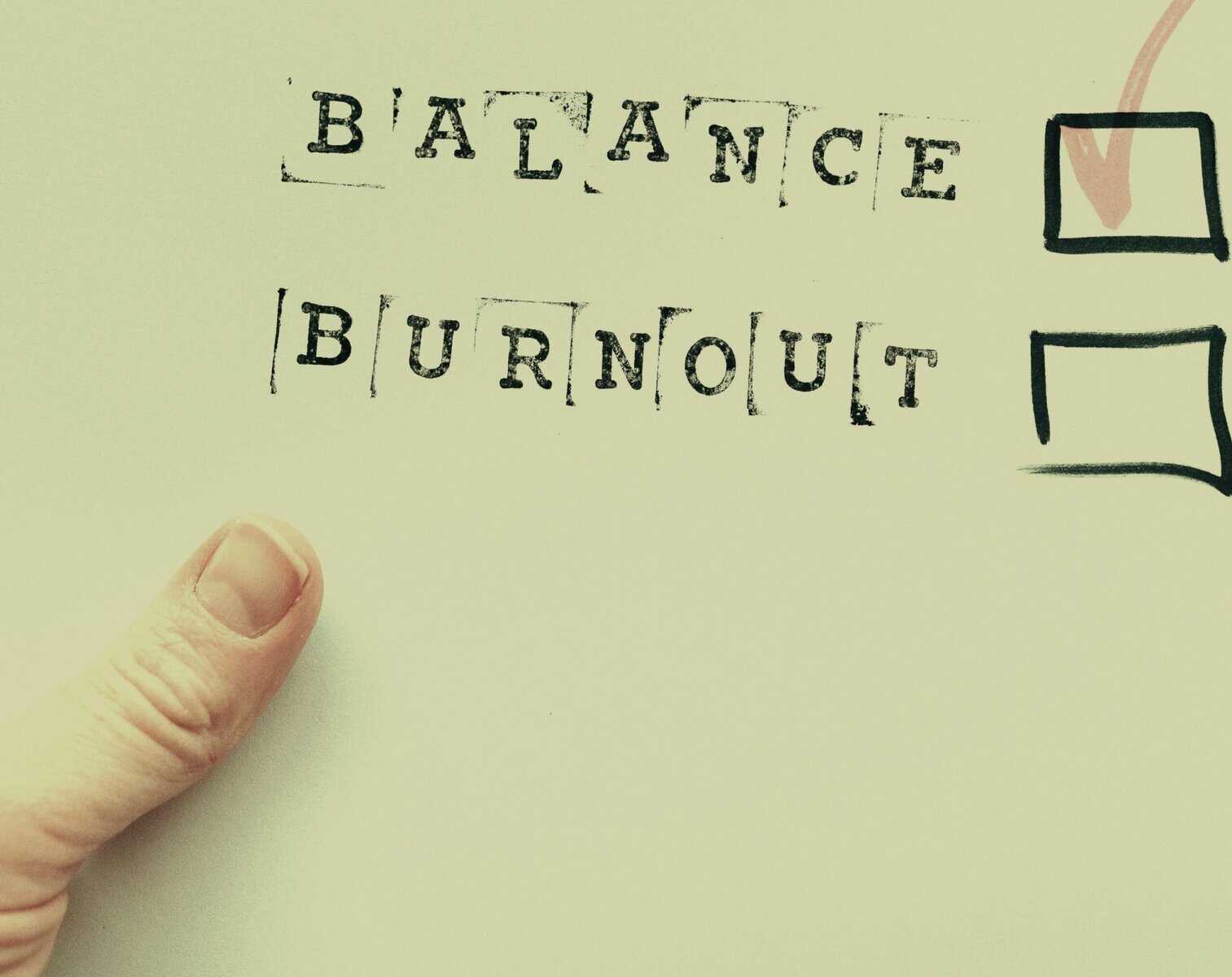
As the calendar year winds down, many people face a mix of rushed deadlines, year-end gatherings, and heavy emotional reflections. It’s easy to burn out, feel overwhelmed, or even sink into guilt over what didn’t happen. That’s why a mental health checklist can help you end the year with clarity, resilience, and self‑compassion.
1) Writing as a Tool for Emotional Balance and Growth
Journaling offers a powerful tool to explore your thoughts and feelings as the year comes to a close. Instead of dwelling on unmet goals, reflect on both progress and setbacks with kindness and self-awareness. Moreover, writing helps externalise emotions and supports emotional regulation during stressful or uncertain times. Additionally, journaling encourages personal growth by identifying patterns and recognising how you’ve changed throughout the year. Consequently, this builds perspective and reduces the tendency to ruminate on past regrets or perceived failures. Furthermore, it enhances self-compassion by allowing space for honest reflection without judgement or pressure. Ultimately, regular journaling promotes emotional clarity and strengthens your mental resilience moving forward.
2) Move, Rest, Nourish: Your Foundation for Year-End Calm
Your physical health plays a vital role in supporting emotional wellbeing, especially during high-stress periods like year-end. Moreover, prioritising regular sleep patterns helps regulate mood, energy levels, and overall mental clarity throughout the week. Additionally, maintaining balanced nutrition provides your brain and body with the fuel needed to manage stress more effectively. Even modest amounts of daily physical activity can significantly improve mood, focus, and emotional resilience over time. Therefore, aiming for at least 150 minutes of moderate movement weekly supports both physical and mental equilibrium. At the end, integrating healthy habits into your routine enhances stability and prepares you for the demands of a new year.
3) Gratitude Practices to Create a Ventilated Space for the Mind
Gratitude practices, such as listing three positives daily, can significantly reduce stress and support emotional regulation. Additionally, these exercises are shown to improve sleep quality, enhance mood, and lower symptoms of anxiety and depression. Importantly, building a consistent gratitude habit fosters long-term mental wellbeing beyond the immediate moment. Moreover, even short-term programmes create lasting psychological benefits that support resilience and life satisfaction. Ultimately, gratitude becomes a powerful, accessible tool for improving overall mental health and emotional balance.
4) Set Boundaries to Protect Your Calm
As the year closes, people often juggle busy schedules, emotional weight, and reflections on unmet expectations. Deadlines, gatherings, and internal pressures can easily lead to burnout or overwhelming feelings of guilt and frustration. Therefore, using a mental health checklist offers structure, encourages balance, and supports emotional resilience during this busy season. Long story short, thoughtful end-of-year reflection helps you reset with clarity, kindness, and strength for the months ahead.
5) Creating Calm Through Simple Daily Organisation
Clearing both physical and digital clutter helps reduce daily distractions and supports a more focused, relaxed state of mind. Organising your surroundings, such as your workspace or inbox, can create visual calm and promote emotional balance. Additionally, tidying up regularly encourages mental clarity and improves your ability to manage stress more effectively. At the end of the day, a cleaner environment becomes a simple yet powerful tool for improving your mental health and daily productivity.
6) Ventilated Space: Make Room for Rest, Reflection, and Renewal
Setting gentle intentions helps maintain focus without overwhelming your energy or mental space during year-end reflection. Instead of rigid resolutions, choose small and meaningful goals that align with your core values and wellbeing. Moreover, avoid perfectionism by allowing flexibility in your progress and expectations. Additionally, breaking goals into manageable steps makes them more realistic and achievable long-term. Gradually introducing new habits gives your mind and body space to adjust at a healthy pace. Therefore, sustainable change becomes possible without adding unnecessary emotional or mental pressure. Ultimately, planning with kindness and intention fosters resilience and clarity as you move into a new year.
7) Ventilated Space: Clear Your Mind Before the Year Ends
Feelings of isolation often grow stronger during year-end reflections, making emotional support more important than ever. Reaching out to trusted friends or support groups can provide reassurance, validation, and a sense of shared understanding. Additionally, talking openly with a mental health professional offers structured guidance and relief from emotional overwhelm. Ultimately, making space for connection becomes a powerful self-care strategy that strengthens emotional wellbeing as the year comes to a close.
Final Thoughts on Ventilated Space
To wrap things up, compassion should lead your end-of-year mental health approach, focusing on care rather than pressure or performance. Instead of ticking off tasks, treat each checklist item as a gentle nudge towards emotional balance and clarity. Moreover, allowing space for reflection helps release expectations and embrace what truly matters to your wellbeing. Ultimately, this mindful approach equips you to enter the new year feeling calm, connected, and emotionally prepared for what lies ahead.
Written by Mandy Brincat
If you think that you can benefit from professional support on this issue you can reach out here.
Mandy Brincat is a Gestalt psychotherapist who enjoys working therapeutically with adults on various issues. These include general mental health and wellbeing. She also has experience working with anxiety, victims of domestic violence and eating disorders.
References
- Bohlmeijer, E. T., Kraiss, J. T., Watkins, P., et al. (2020). Promoting gratitude as a resource for sustainable mental health: Results of a 3‑armed randomized controlled trial up to 6 months follow‑up. Journal of Happiness Studies. Retrieved from https://www.psychiatry.org/news-room/apa-blogs/practicing-gratitude-to-boost-mental-well-being
- CDC. (2025, June 9). Healthy ways to cope with stress. Centers for Disease Control and Prevention. Retrieved from https://www.cdc.gov/mental-health/living-with/index.html
- HelpGuide.org. (2024). Gratitude: The benefits and how to practice it. Retrieved from https://www.helpguide.org/mental-health/wellbeing/gratitude
- NCOA. (2024). Mental health and the holidays: 9 tips for self‑care. Retrieved from https://www.ncoa.org/article/mental-health-and-the-holidays-9-tips-for-self-care