ADHD. What is it, really? – Part 1/3
Recently, the term ADHD has been overused by parents, teachers, and even young people themselves. Sometimes, energetic or mischievous behaviour is wrongly assumed to be a clinical disorder. However, not every active child meets the criteria for a diagnosis of attention-related difficulties. Firstly, it’s important to understand the three distinct types of attention and overactivity disorders recognised in psychology.
ADHD Symptoms Explained: Understanding the Signs Beyond Misconceptions
This blog aims to clarify common misconceptions surrounding ADHD by providing accurate and up-to-date psychological information. Parents and educators often mislabel typical behaviour as ADHD, which leads to unnecessary concern. Understanding the actual symptoms and types of ADHD helps in making informed decisions about diagnosis and support. Readers will learn how inattentive-type ADHD, often overlooked, particularly in girls, differs from other behavioural conditions. Willingness continues to support mental health awareness by encouraging critical thinking and reducing stigma through educational content.
Recognising the Subtle Signs of Inattentive-Type ADD
Firstly, Attention Deficit Disorder, often called ADD or the inattentive type, tends to appear more frequently in girls than boys. However, detecting ADD can be challenging since it often lacks the hyperactivity commonly associated with ADHD in children. Moreover, its symptoms are frequently misunderstood or dismissed as laziness, forgetfulness, or disinterest by parents and educators. Therefore, raising awareness about inattentive-type ADD is crucial to ensure accurate recognition and appropriate support for those who experience it.
Identifying Attention Difficulties in Children
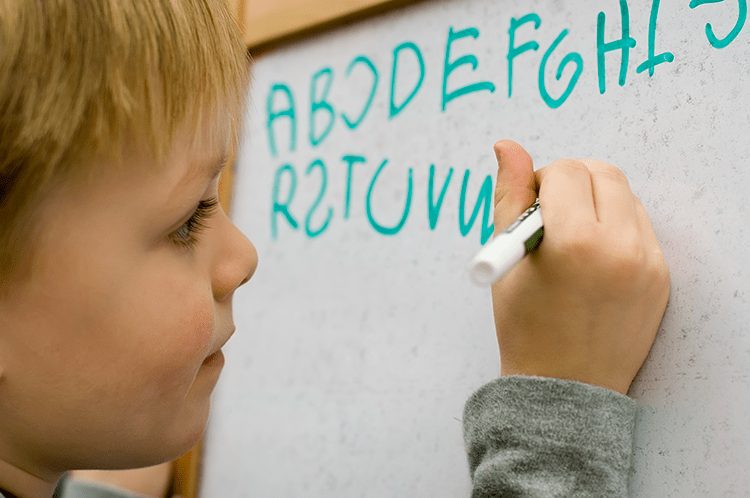
Firstly, a child with ADD may struggle to maintain focus across tasks and appear distracted or disinterested. Additionally, they often seem careless with schoolwork and overlook important details repeatedly. Moreover, they might not seem to listen properly when being spoken to, even in one-to-one settings. Consequently, completing tasks or following instructions becomes difficult, especially when steps are not clearly broken down. Finally, challenges with organising activities or managing routines often lead to frustration, confusion, or academic underperformance.
ADHD Symptoms Explained: How Inattention Shows Up in Everyday Life
Typically, the child avoids tasks that need focus or prolonged mental effort to complete successfully. Often, they misplace items needed for school, hobbies, or daily responsibilities. Distractions in the environment easily capture their attention, disrupting learning and everyday routines. Sometimes, even minor noises or movements can completely shift their focus away from important tasks. Additionally, forgetfulness appears frequently in their daily life, especially with instructions, chores, or scheduled activities. Therefore, recognising these patterns early can help in understanding and supporting a child showing inattentive-type behaviours.
Why a Professional Diagnosis Matters in Understanding ADD
Importantly, not every child will display all possible symptoms for a diagnosis of inattentive-type ADD to be considered. However, consistent patterns of difficulty across settings may still indicate the presence of attention-related challenges. Therefore, it is essential to seek a professional opinion rather than relying on assumptions or informal observations alone. Ultimately, early identification and expert assessment can lead to effective support strategies and better outcomes for the child’s well-being and development.
Looking Ahead to Other Types of Attention Disorders
Later, we will explore the remaining two types of attention and overactivity disorders in detail. These types include symptoms that differ from inattentiveness alone. Understanding each type helps clarify why not all children with ADHD behave in the same way. Follow the next blog to learn how these types affect behaviour, focus, and emotional regulation.
Final Thoughts on ADHD Symptoms Explained
To conclude, understanding inattentive-type ADD helps reduce misdiagnosis and ensures children receive the right support and care early. Recognising the signs empowers parents and educators to respond with empathy, not frustration or judgement. Seeking guidance from professionals remains essential when navigating concerns about attention difficulties in children and possible underlying conditions.