Intimacy and breast cancer? Part 1/2
Being diagnosed with cancer is a life-changing experience, bringing shock, denial, and emotional overwhelm while patients start processing reality. Subsequently, individuals face breast surgery and oncological treatments, adapting daily life around medical care, side effects, and growing emotional resilience. Ultimately, the focus turns to survival, as patients rebuild routines, strengthen coping strategies, and rely on supportive relationships during recovery.
Breast Cancer Therapy and Emotional Intimacy After Diagnosis
Treatment of breast cancer significantly changes appearance, identity perception, and emotional wellbeing, affecting how patients view themselves deeply and continuously. Surgery creates visible scars that alter body image, self-confidence, and emotional adjustment throughout recovery and beyond. Chemotherapy often causes hair loss, fatigue, skin changes, and nausea, reducing confidence while impacting daily functioning and self-perception. Radiotherapy produces burns, pigmentation changes, and sensitivity, affecting comfort, physical appearance, and emotional resilience during treatment phases. Hormonal therapy triggers weight fluctuations, mood changes, and body image concerns, influencing both psychological wellbeing and personal identity. Patients frequently struggle with mirror reflections, emotional acceptance, and evolving self-identity after completing treatment journeys.
Breast Cancer Therapy and Maintaining Intimacy During Recovery
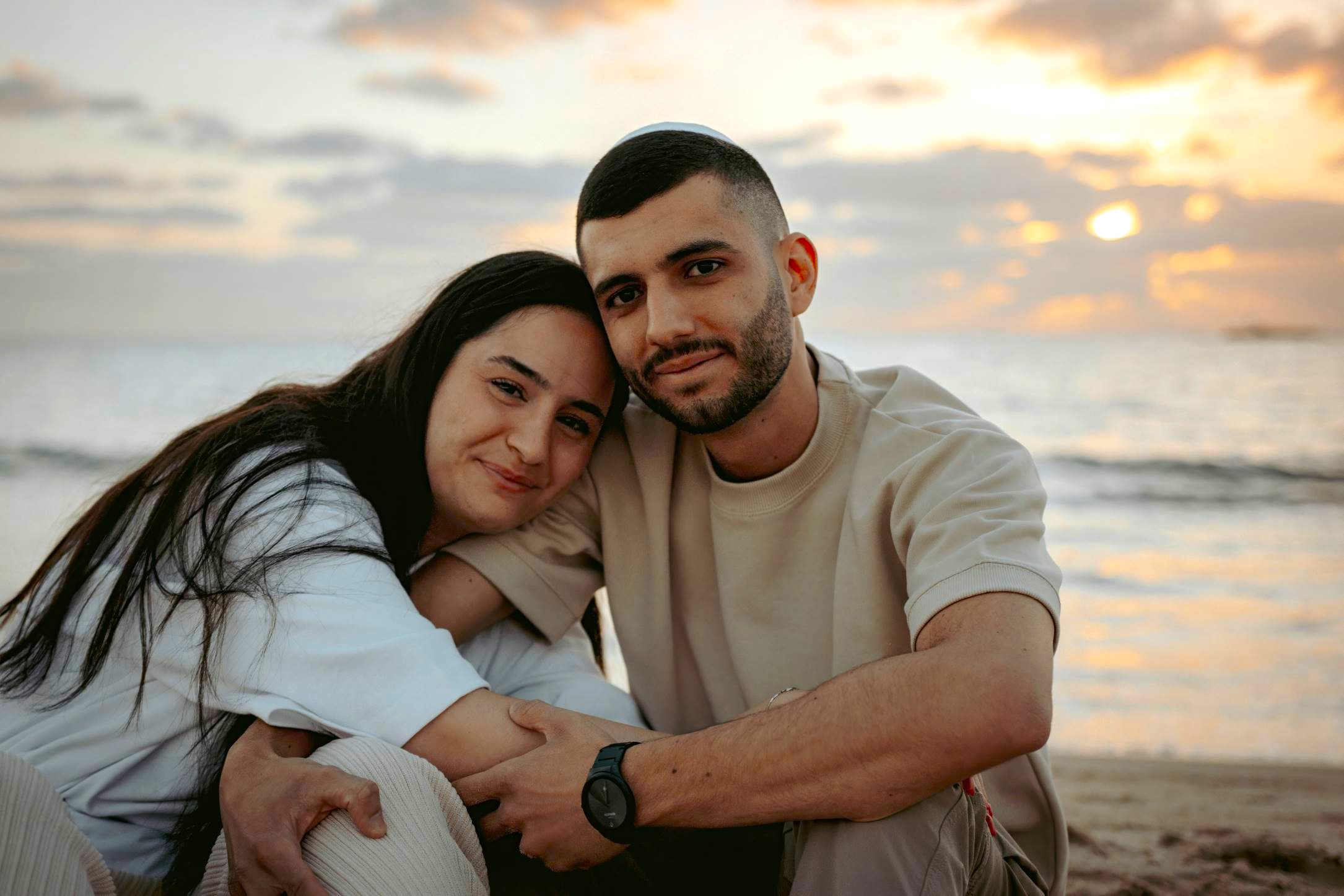
However, during and after cancer treatment, individuals remain sexual beings, deserving intimacy, affection, and emotional fulfillment throughout recovery. Additionally, many patients continue experiencing romantic desires, physical attraction, and emotional needs during challenging rehabilitation periods afterward. Furthermore, supportive partners strengthen confidence, encourage vulnerability, and help survivors rebuild intimacy following significant physical changes. Open communication, patience, reassurance, and compassionate support help couples maintain emotional closeness throughout recovery together.
Embracing Emotional Closeness During Cancer Recovery
Many individuals undergoing cancer treatment continue needing emotional reassurance, physical affection, meaningful intimacy, and supportive closeness from their partners daily. Furthermore, maintaining emotional connection during recovery often strengthens relationships, encourages honest communication, and provides comfort throughout physically and psychologically demanding treatment experiences. Ultimately, feeling emotionally connected and physically close to supportive partners can improve confidence, reduce isolation, and encourage healthier emotional adjustment after cancer.
Journeying Through Emotional Support Together
Additionally, research suggests partners frequently feel helpless during cancer treatment, especially when providing emotional support and reassurance daily. Furthermore, many partners experience emotional exhaustion, uncertainty, and anxiety while supporting loved ones through physically demanding cancer treatments. Consequently, communication difficulties sometimes develop because partners struggle expressing fears, emotions, and concerns during emotionally overwhelming situations together. Compassionate communication and emotional understanding can strengthen relationships, helping partners navigate cancer recovery together.
Accepting Affection During Cancer Recovery
Partners often feel uncertain about providing comfort, emotional reassurance, and practical support throughout demanding cancer treatments every day consistently. Consequently, many partners fear touching surgical areas because they worry about causing discomfort, pain, or emotional distress afterward, unintentionally. Furthermore, some individuals avoid physical affection completely, believing their partners remain excessively fragile during ongoing oncological treatment and recovery. Meanwhile, emotional distance sometimes develops gradually when couples struggle discussing fears, insecurities, and changing physical boundaries together openly afterward. Honest communication and compassionate reassurance can strengthen intimacy, helping partners provide meaningful support throughout cancer recovery journeys together.
Breast Cancer Therapy and Protecting Emotional Wellbeing
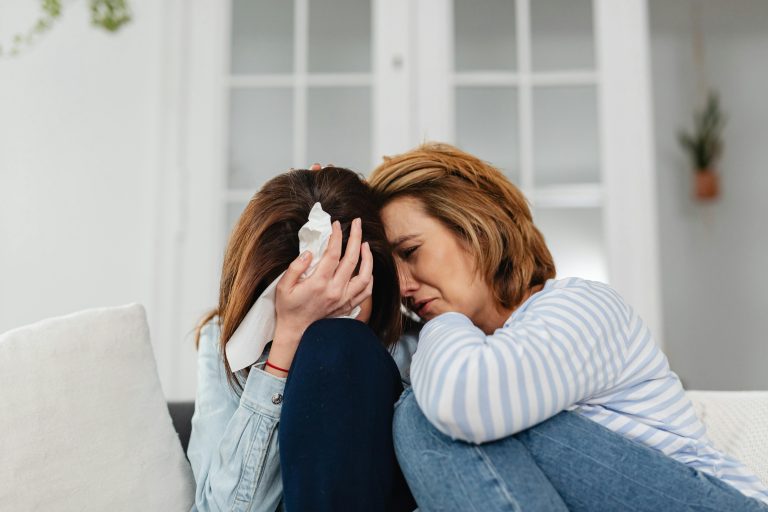
Both patients and partners instinctively protect each other emotionally, avoiding conversations surrounding depression, fear, and emotional vulnerability together. Consequently, many couples suppress difficult emotions completely, believing emotional restraint prevents additional stress during demanding cancer treatment experiences. Furthermore, partners frequently prioritize emotional protection over honest communication, unintentionally creating emotional distance throughout recovery and treatment processes together. Meanwhile, patients often minimize emotional struggles because they fear burdening loved ones already coping with overwhelming uncertainty and anxiety. Compassionate communication encourages emotional openness, helping couples strengthen intimacy while navigating cancer-related fears and emotional challenges together.
Prioritizing Partner Communication During Recovery
Therefore, having a safe space encourages patients and partners to discuss fears, emotions, vulnerabilities, and relationship concerns openly and honestly. Furthermore, supportive conversations help couples strengthen emotional connection, improve communication, and reduce feelings of isolation throughout challenging cancer recovery experiences. Ultimately, accessing compassionate emotional support enables individuals and partners to process difficult experiences while rebuilding confidence, intimacy, and emotional wellbeing together.
Breast Cancer Therapy and Strengthening Emotional Intimacy
Additionally, open communication helps couples feel emotionally connected while navigating physical, psychological, and relationship changes together during recovery. Furthermore, honest conversations encourage understanding, allowing partners to recognize emotional struggles, fears, and evolving personal needs compassionately throughout treatment. Consequently, couples often develop stronger emotional intimacy when they openly discuss vulnerabilities, uncertainties, and changing relationship expectations together regularly. Meanwhile, supportive communication reduces misunderstandings, helping partners provide reassurance, empathy, and emotional stability during difficult cancer recovery experiences. Ultimately, emotional openness strengthens relationships, enabling couples to better understand each other while rebuilding confidence, trust, and intimacy together.
Final Thoughts on Breast Cancer Therapy
Written by Anna Catania
Anna Catania is a counsellor with Willingness. She has had a special interest in working with clients facing intimacy and sexual difficulties and runs a service for families going through cancer and chronic illness. You can contact her on [email protected] or call us on 79291817.