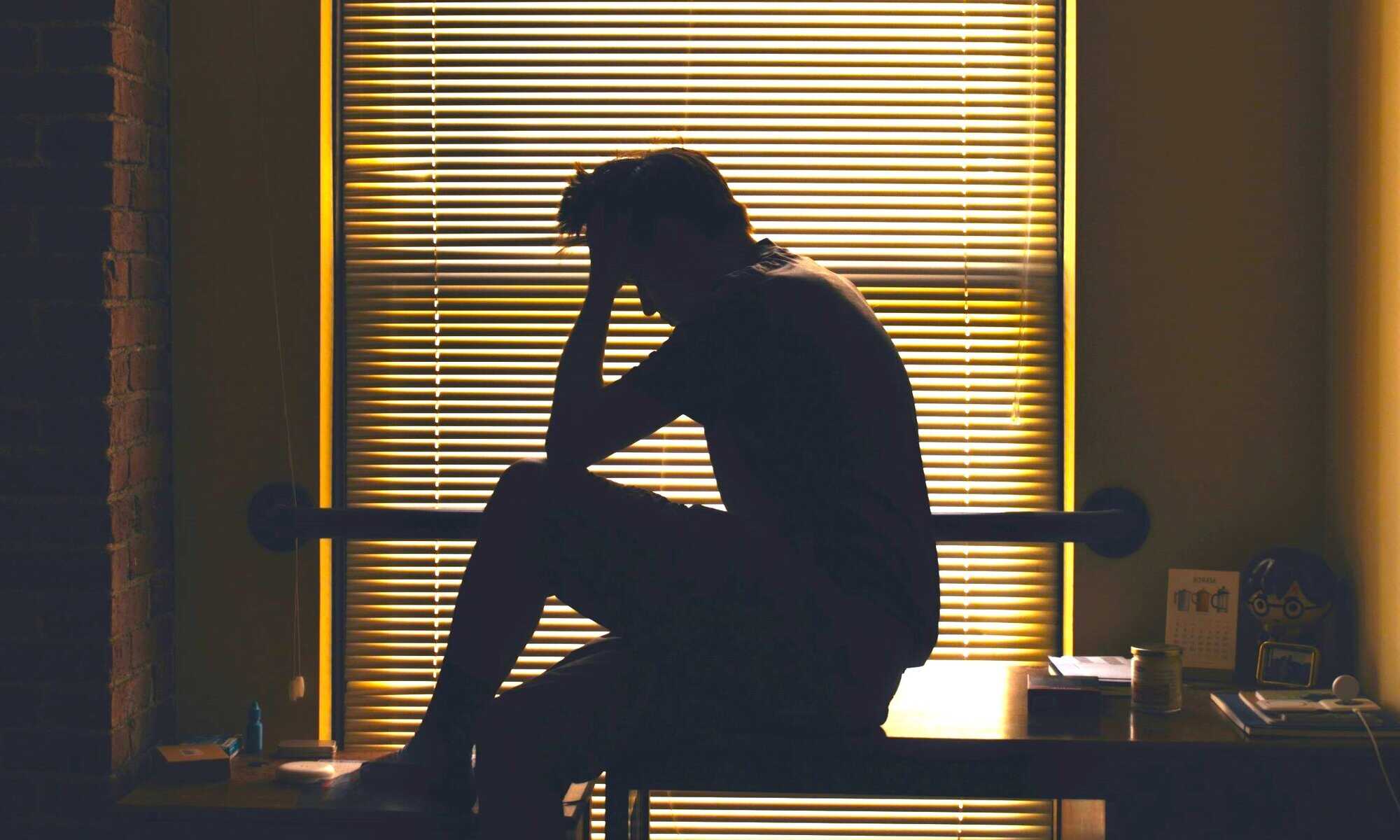
Men and Emotional Suppression: The Cost No One Talks About
Boys absorb unspoken rules about which emotions earn approval and which invite subtle rejection within families and communities. Furthermore, cultural messages repeatedly reinforce that strength demands restraint, while vulnerability is framed as weakness or emotional instability. Consequently, many men internalize silence, believing honest emotional expression threatens belonging, respect, identity, and perceived masculinity.
Fragile Facade: When Strength Masks Emotional Pain
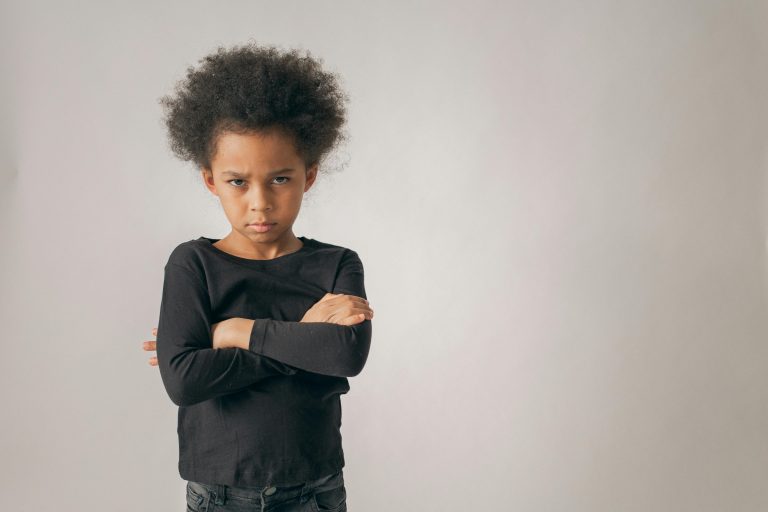
Historically, societies shaped rigid expectations of masculinity through cultural norms, family systems, and influential media narratives consistently passed across generations. Traditionally, communities positioned men as providers and protectors, reinforcing emotional control as necessary, admirable, and socially rewarded strength. Gradually, society equated emotional restraint with competence, reliability, and authority within workplaces, friendships, intimate relationships, and broader social structures. Inevitably, continuous reinforcement converted these expectations into deeply embedded unwritten rules rather than flexible, reflective, or individual choices. Many boys internalized the belief that expressing vulnerability would lead to rejection, diminished respect, humiliation, or enduring personal shame.
Fragile Facade: Emotional Restriction in Men
Many men experience deep and complex emotions yet lack safe spaces to articulate them openly and honestly. Consequently, social conditioning restricts emotional vocabulary, leaving men uncertain about how to identify, process, and communicate internal experiences. Moreover, limited permission to express vulnerability reinforces suppression, gradually intensifying psychological strain, emotional confusion, and relational distance. Ultimately, without supportive role models or guidance, men may struggle to translate emotional awareness into healthy, constructive, and authentic expression.
Breaking the Silence Around Male Emotions
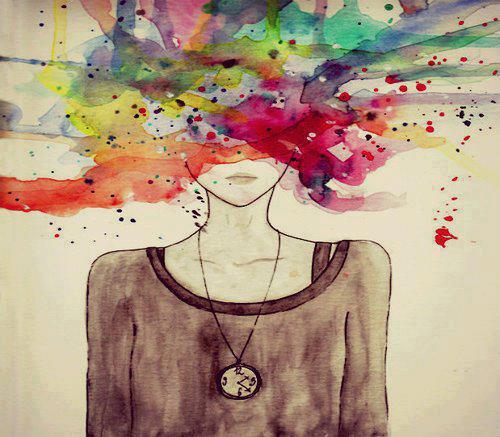
Importantly, when individuals suppress emotions, they redirect uncomfortable feelings into behaviors that appear more socially acceptable and controlled. Gradually, unresolved grief transforms into irritability, impatience, or subtle hostility that affects communication and daily relationships. Similarly, unacknowledged anxiety frequently manifests as anger, defensiveness, or heightened sensitivity to perceived criticism and minor frustrations. Meanwhile, persistent loneliness may drive excessive work, compulsive exercise, gaming, alcohol use, or increasing emotional withdrawal from others. Sustained suppression consumes significant psychological energy, creating ongoing internal tension between authentic lived experience and socially approved behavior.
Fragile Facade: When Intimacy Suffers
The psychological cost of prolonged emotional suppression often emerges through increased stress, depressive symptoms, anxiety, and persistent relational strain over time. Furthermore, when emotional vocabulary remains limited, intimacy becomes increasingly difficult, as individuals struggle to communicate needs, fears, and vulnerabilities clearly. Consequently, partners may perceive emotional distance or unavailability, while men themselves feel misunderstood, isolated, and confined within emotions they cannot fully identify or express.
Youth, Masculinity and Emotional Rules
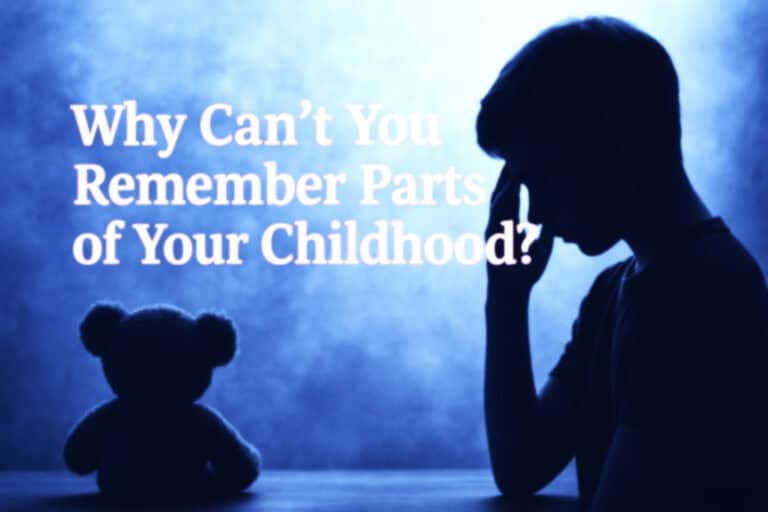
A quieter consequence gradually unfolds as individuals slowly lose connection with their authentic emotional selves and deeper inner experiences. Subsequently, when vulnerability is consistently dismissed or invalidated, emotional numbness develops as a subtle yet protective psychological defense mechanism. As a result, daily life becomes increasingly functional, performance-driven, and emotionally restrained, with experiences analyzed cognitively rather than genuinely felt and embodied. Ultimately, both joy and sadness may feel muted or distant, gradually diminishing the richness, spontaneity, emotional vitality, and depth that make life truly meaningful.
So how can change begin
Firstly, redefining strength requires acknowledging that emotional openness reflects courage, self-awareness, and psychological maturity rather than personal inadequacy. Secondly, consciously recognizing and accurately naming feelings enhances long-term resilience while improving emotional regulation and relational stability. Moreover, simple practices such as journaling, mindfulness, or reflective questioning consistently expand emotional awareness and internal clarity. Additionally, pausing to ask “What am I actually feeling right now?” encourages accountability and deeper, more authentic self-understanding. Individual therapy and men’s group work create structured environments where vulnerability is respected, validated, and supported without judgement.
Fragile Facade: Moving Beyond Emotional Silence
Meaningful change requires a broader cultural shift that actively redefines how society understands masculinity, strength, and emotional responsibility. When fathers speak openly about struggles, they model emotional honesty and normalise vulnerability within family relationships and daily conversations. Similarly, when male friends share experiences honestly, they strengthen mutual trust and reduce shame surrounding difficult or confusing emotions. Moreover, leaders who practise reflection and accountability demonstrate that emotional awareness enhances credibility, stability, and relational effectiveness. Consequently, boys learn not only to perform strength convincingly, but to embody authenticity, integrity, emotional intelligence, and psychological depth.
Final Thoughts on Fragile Facade
To finish off here, the hidden consequences of emotional suppression gradually undermine wellbeing and relational depth over time. Furthermore, embracing emotional openness fosters authenticity, strengthens connections, and enhances long-term psychological health. Redefining masculinity to include vulnerability ultimately supports resilience, fulfilment, and a stronger integrated sense of self.
Written by Charlot Cauchi
If you think that you can benefit from professional support on this issue you can reach out here.
Charlot Cauchi is a Gestalt Psychotherapist at Willingness. He has experience working with adult clients with mental health difficulties, anxiety and depression, loss and grief, traumatic experiences, stress and relational issues.
References
Levant, R. F., Wong, Y. J., Karakis, E. N., & Welsh, M. M. (2015). The relationships between masculinity variables, health risk behaviors and attitudes toward seeking psychological help. Psychology of Men & Masculinity, 16(1), 3–12. https://doi.org/10.1037/a0035958