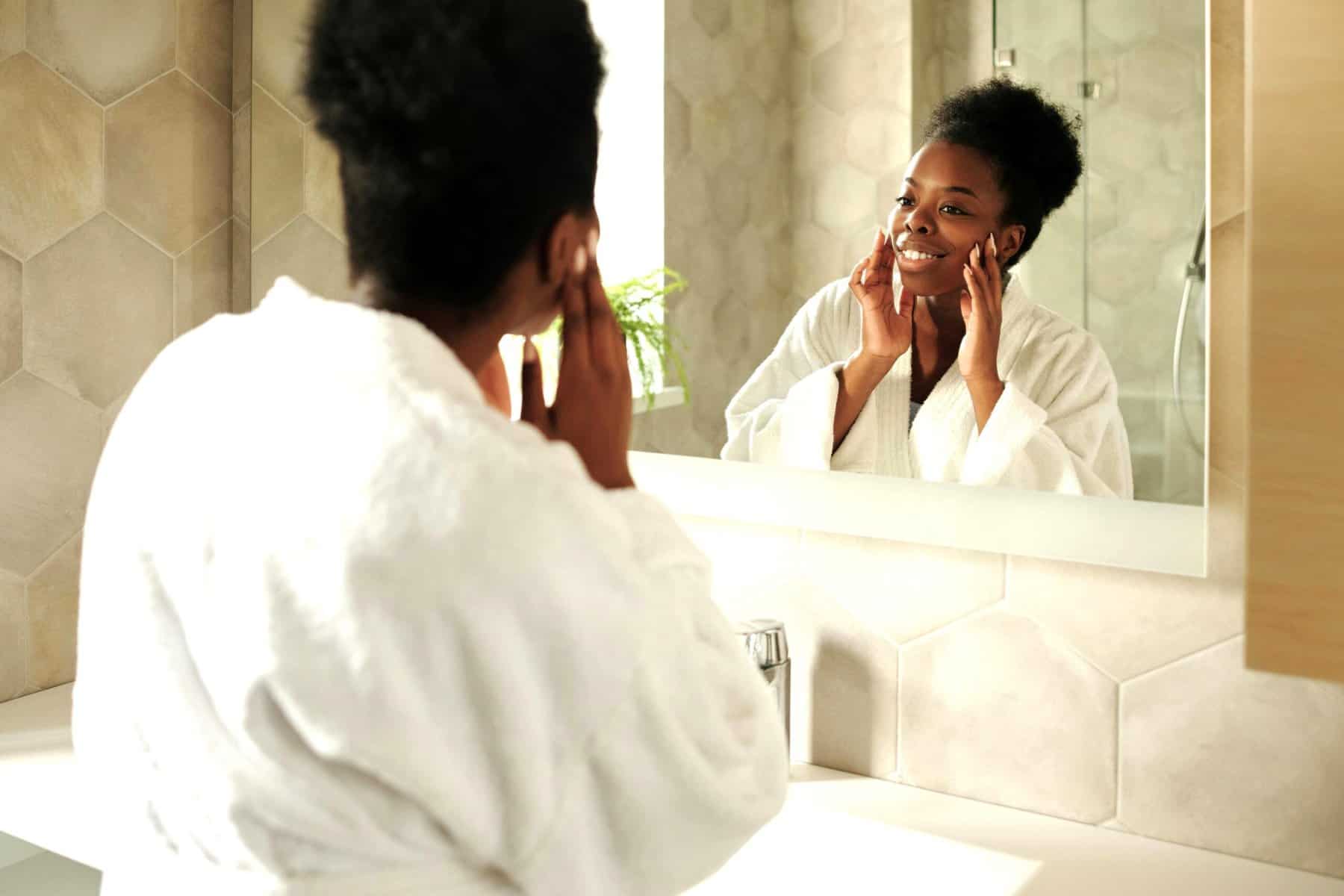
Why Emotional Regulation Matters More Than Romantic Gestures
Although romantic gestures are frequently celebrated as symbols of love, they often overshadow more vital elements of connection. Meanwhile, emotional regulation quietly forms the foundation of lasting, secure relationships, influencing how partners communicate and resolve conflict. Ultimately, prioritizing emotional awareness over occasional displays of affection creates deeper trust and long-term relational stability.
Trust And Emotional Regulation: The Real Foundation of Lasting Love
Emotional regulation involves recognizing, understanding and managing your emotions in ways that support both mental and relational wellbeing. Couples consistently use this essential skill to navigate difficult moments, communicate with clarity and reconnect meaningfully after emotional ruptures or conflict. While romantic gestures may create joy in the moment, they rarely contribute to the overall emotional health of a relationship. Instead, emotional regulation promotes everyday emotional safety, allowing both partners to feel seen, respected and supported throughout their interactions. Ultimately, developing the ability to regulate emotions strengthens trust and creates deeper intimacy than temporary displays of affection ever could.
Trust And Emotional Regulation in Healthy Relationships
Many relationships break down not due to a lack of love, but because emotional dysregulation repeatedly damages healthy communication patterns. Unmanaged emotions often cause arguments to escalate quickly, turning small misunderstandings into intense conflict that leaves both partners feeling emotionally unsafe. According to research by the British Psychological Society, poor emotional regulation significantly increases conflict and lowers overall relationship satisfaction. Learning to manage emotions effectively helps couples avoid unnecessary tension and maintain a more stable emotional connection.
Deepening Connection Through Emotional Awareness
While romantic gestures can bring joy and excitement, they are fleeting moments that do not sustain the deeper emotional needs of a relationship. Meanwhile, emotional regulation provides the steady foundation that supports mutual respect, effective communication and emotional safety, especially during moments of disagreement or stress. Furthermore, research by Gottman and Gottman (2017) highlights that couples who regulate emotions well during conflict tend to experience greater long-term relationship satisfaction and stability.
Trust and Emotional Regulation: Why They Go Hand in Hand
Emotional regulation plays a vital and ongoing role in repairing emotional disconnection when conflict or misunderstandings inevitably arise within a relationship. Although every couple encounters moments of rupture, the way partners choose to respond has a lasting impact on trust and emotional closeness. Someone who takes responsibility for their behavior, offers genuine apologies and reflects on their emotional responses contributes meaningfully to the process of healing. Meanwhile, a partner who turns to gifts or distractions without addressing the root emotions often delays true resolution and damages relational safety. According to Mind UK (2023), consistently avoiding accountability or suppressing difficult feelings tends to build resentment and gradually weakens the emotional bond.
Opening the Door to Emotional Safety in Relationships
Romantic gestures do hold value, yet they cannot sustain a relationship or create lasting emotional security between partners. Moreover, thoughtful actions may express love, but without emotional regulation, they risk appearing performative or emotionally disconnected. Therefore, a surprise weekend away cannot repair the damage caused by repeated emotional outbursts or prolonged emotional withdrawal. Eventually, the mismatch between occasional gestures and daily behavior can lead to distrust and emotional instability within the relationship.
How Emotional Balance Builds Stronger Relationships
Emotional regulation reflects real care by helping partners stay calm and grounded during emotional or stressful situations. Developing this vital skill requires ongoing self-awareness, intentional practice, personal accountability and a genuine willingness to grow together through challenges. Although romantic gestures offer joyful moments, they cannot replace the emotional consistency needed to build a truly secure bond. Instead, emotional regulation strengthens trust, deepens connection and creates an emotionally safe space where both partners feel genuinely supported. Therefore, when gestures are paired with emotional responsibility, they become sincere expressions rather than attempts to fix repeated emotional damage.
Final Thoughts on Trust And Emotional Regulation
To wrap things up, true emotional intimacy grows not from dramatic gestures but through consistent, respectful handling of emotions in everyday interactions. Moreover, partners who commit to emotional regulation foster trust, reduce conflict, and create a secure space where love can truly thrive. Choosing to manage emotions with care and accountability forms the most reliable path towards a stable, lasting relationship.
Written by Yasmine Bonnici
If you think that you can benefit from professional support on this issue you can reach out here.
Yasmine Bonnici has obtained a degree in nursing (Hons) and a Masters in Counselling (Melit) from the University of Malta. She was drawn to counselling because she felt that in the medical field there is a tendency to focus on one’s physical needs and neglect the psychological aspect. Thus this led to her to achieve her temporary warrant in counselling.
References
- NHS (2023). Understanding emotions and emotional wellbeing.
- British Psychological Society (2022). Emotional regulation and mental wellbeing.
- Gottman, J. & Gottman, J. (2017). The Science of Trust. London: Penguin Random House.
- Mind UK (2023). Managing feelings and emotional responses.