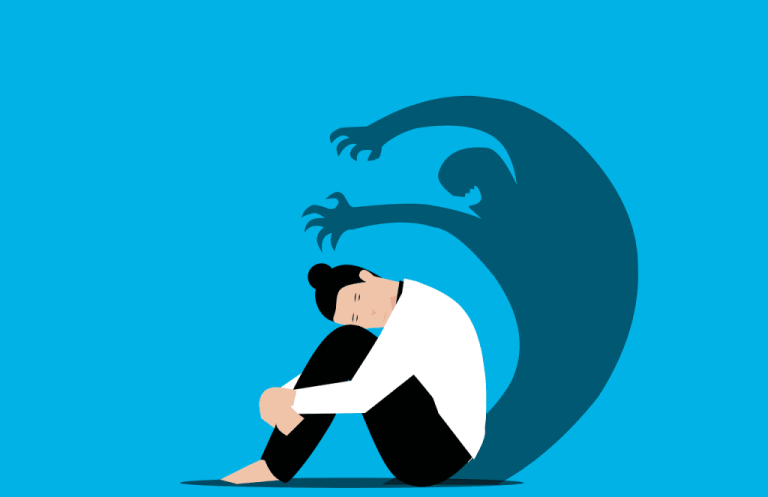

The men who don’t cry…
Societal expectations often discourage emotional openness, causing many men to hide vulnerability and personal feelings. Additionally, traditional gender roles encourage emotional suppression, making honest communication difficult for many men during personal struggles. Ultimately, these expectations negatively affect emotional wellbeing, relationships and communication by discouraging open emotional expression completely.
Breaking Cultural Norms Around Male Emotional Expression
Western culture often teaches boys to suppress vulnerability, discouraging honest emotional expression and healthy communication from childhood into adulthood. Additionally, many children learn painful emotions should remain hidden instead of discussing struggles openly with trusted supportive adults during adolescence. Consequently, some parents avoid physical affection because they mistakenly believe emotional closeness weakens boys and reduces resilience during difficult experiences. Similarly, harmful stereotypes surrounding masculinity frequently pressure boys into hiding emotions rather than expressing personal fears honestly within relationships today. Ultimately, society must encourage emotional openness to support healthier relationships, stronger wellbeing and improved communication among men throughout their lives.
The Cost of Stoicism on Men’s Emotional & Physical Health
Crying is a natural reaction that allows the body to release overwhelming emotions and tension effectively. Therefore, shedding tears helps lower stress by flushing out hormones linked to emotional strain and anxiety. Additionally, this process acts as a physical release, helping the body regain balance after distress. Moreover, crying provides comfort by reducing inner pressure and improving mood when feelings become too heavy. Consequently, people who suppress crying may unknowingly accumulate stress that harms their physical wellbeing significantly. Furthermore, prolonged stress without healthy release often increases risks of heart disease, hypertension, and dangerous strokes. Ultimately, embracing crying as healthy supports both emotional resilience and long-term physical health in daily life.
Teaching Men the Importance of Expressing Emotions
Moreover, stress frequently leads to insomnia, anxiety, panic attacks and depression, affecting both mental stability and physical wellbeing. Additionally, unaddressed stress can accumulate over time, creating long-term damage that impacts relationships, careers, and overall life satisfaction. Consequently, it becomes crucial to challenge cultural expectations preventing men from openly expressing emotional struggles and seeking help. Furthermore, parents and educators play a vital role in teaching boys that vulnerability and emotions are strengths. Ultimately, encouraging emotional openness from a young age fosters healthier men who manage stress constructively and live more fulfilling lives.
The Cost of Stoicism in Men’s Mental Health & Wellbeing
On the other hand, aggression and violence are often accepted as behaviour, masking young men’s inner emotional struggles. Additionally, men experience higher rates of suicide compared to women, reflecting unaddressed mental health challenges across many societies. Consequently, issues such as depression, loneliness, and isolation frequently affect men, influencing their wellbeing and relationships every day.
Redefining Masculinity: The Cost of Stoicism in Men’s Lives
Nowadays, Western culture is gradually redefining masculinity by encouraging men to embrace emotions while remaining strong. Interestingly, famous athletes like Cristiano Ronaldo and Lionel Messi openly cry on the pitch, challenging outdated stereotypes. Additionally, such moments highlight that expressing feelings does not diminish strength but enhances authenticity and connection. Moreover, education systems are recognising the importance of teaching emotional intelligence alongside traditional academic subjects in schools. Consequently, mindfulness and emotional coaching are being introduced as essential parts of modern educational curriculums worldwide. Furthermore, parents are increasingly supporting both boys and girls to develop healthier emotional awareness and resilience. Ultimately, these cultural shifts promote a balanced understanding of masculinity, empowering men to embrace vulnerability without shame.
Redefining Masculinity Through Emotional Intelligence & Connection
Also, modern conversations encourage men to challenge outdated masculinity and develop healthier emotional awareness within everyday personal relationships. Additionally, many men now recognise emotions as natural experiences that support personal growth, resilience and stronger interpersonal communication. Consequently, emotional intelligence helps boys express feelings confidently while developing supportive relationships with trusted friends and understanding family members. Meanwhile, open emotional communication allows men to create healthier connections, improve trust and strengthen meaningful long-term relationships significantly. Embracing vulnerability enables men to redefine masculinity positively while improving happiness, emotional wellbeing and overall relationship satisfaction.
Final Thoughts on The Cost of Stoicism
To conclude, embracing emotional expression helps men challenge harmful stereotypes while building healthier and more supportive relationships throughout life. Additionally, emotional intelligence empowers future generations to value vulnerability as a positive masculine strength naturally. Cultural shifts promoting openness improve emotional wellbeing, reduce stigma and discourage harmful emotionally suppressive behaviors.
Written by Anna Catania
Anna Catania is a counsellor with Willingness. She has had a special interest in working with clients facing intimacy and sexual difficulties and runs a service for families going through cancer and chronic illness. You can contact her on [email protected] or call us on 79291817.