
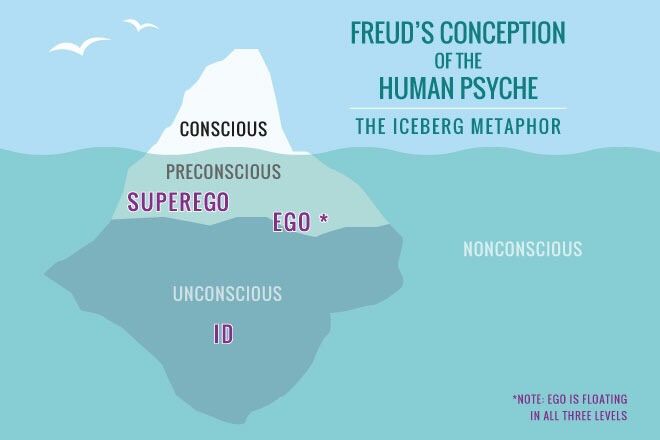
Introduction to the Id, Ego, and Superego
The psychoanalytic theory explains personality through the id, ego, and superego, shaping behavior and mental processes. Furthermore, the id drives impulses, while the superego enforces morals and guides behavior towards socially acceptable actions. Consequently, the ego balances these forces, helping individuals regulate behavior and make decisions aligned with instincts and expectations.
Instinctual Drives: Understanding the Ego’s Role
Importantly, the ego resolves conflict between the id and superego, helping individuals balance impulses with moral expectations in everyday situations effectively. Additionally, the id focuses only on immediate needs and desires, while the superego enforces strict rules about what is right or wrong. Furthermore, the ego evaluates both sides carefully, allowing individuals to make balanced decisions that consider personal desires alongside social expectations. Moreover, this process helps individuals regulate behavior effectively, ensuring actions remain appropriate while still acknowledging both internal needs and external demands. The ego plays a crucial role in maintaining psychological balance, supporting healthy decision-making and stable emotional functioning across different life situations.
Instinctual Drives: The Role of the Id
The id acts as a source of basic desires, storing impulses that drive behavior and immediate satisfaction needs. Furthermore, the ego and superego draw energy from the id, using it to guide actions according to reality and moral standards. Additionally, individuals experience this energy as impulses, such as feeling hungry and wanting to eat when seeing food after some time. Understanding this process helps explain how instinctual drives influence behavior, decisions, and emotional responses within everyday situations.
Balancing Behavioral Instincts: Growth and Destruction
Importantly, Freud identified two key instincts that influence behavior, namely growth instincts and destructive instincts within human psychological functioning. Additionally, libido represents the growth instinct, driving behaviors such as eating, drinking, and forming connections that support survival and wellbeing. Furthermore, mortido reflects destructive instincts, influencing behaviors linked to aggression, harm, and actions that may negatively impact others or oneself. Moreover, these instincts operate together, shaping how individuals respond to internal drives and external situations in complex and often conflicting ways. Ultimately, understanding these instincts helps explain behavior, highlighting how instinctual drives influence both constructive actions and potentially harmful responses in daily life.
Understanding the Id: How Instincts Shape Early Behavior
Babies primarily operate through the id, as they have not yet developed the ego or superego structures within personality. Additionally, the id drives immediate satisfaction, pushing infants to fulfil needs without considering rules, consequences, or expectations from their environment. Furthermore, when the id satisfies an instinct, it reduces internal tension, allowing the baby to experience comfort and temporary emotional relief. Moreover, the id functions without rules or limitations, focusing entirely on meeting basic needs and instinctual desires in each moment. Observing babies clearly demonstrates how instinctual drives operate freely before psychological structures develop to regulate behavior, decision-making, and emotional responses.
Instinctual Drives: The Pleasure Principle Explained
Importantly, the id operates on the pleasure principle, seeking to maximize pleasure while reducing tension through immediate satisfaction of basic desires. Additionally, this process drives individuals to pursue activities that fulfil needs quickly, without considering consequences or external expectations in most situations. Furthermore, the id responds instinctively, pushing for gratification even when circumstances may require patience, control, or more thoughtful decision-making approaches. This focus on pleasure can create internal conflict, especially when reality or moral standards challenge the immediate fulfilment of desires. Ultimately, understanding this mechanism helps explain behavior, showing how instinctual drives influence actions aimed at reducing discomfort and increasing personal satisfaction.
Final Thoughts
To conclude, understanding internal forces explains behavior, showing how emotions and decisions are shaped in everyday life situations. Balancing the id, ego, and superego supports functioning, helping individuals manage impulses and respond appropriately. Consequently, this understanding promotes self-awareness, emotional regulation and adaptive responses within everyday situations and challenges.
Instinctual Drives: Written by Joshua Aquilina
Joshua Aquilina is a Counselling Psychologist working with Willingness. He specializes in psychotherapy, addiction and anxiety. You can contact him on [email protected]