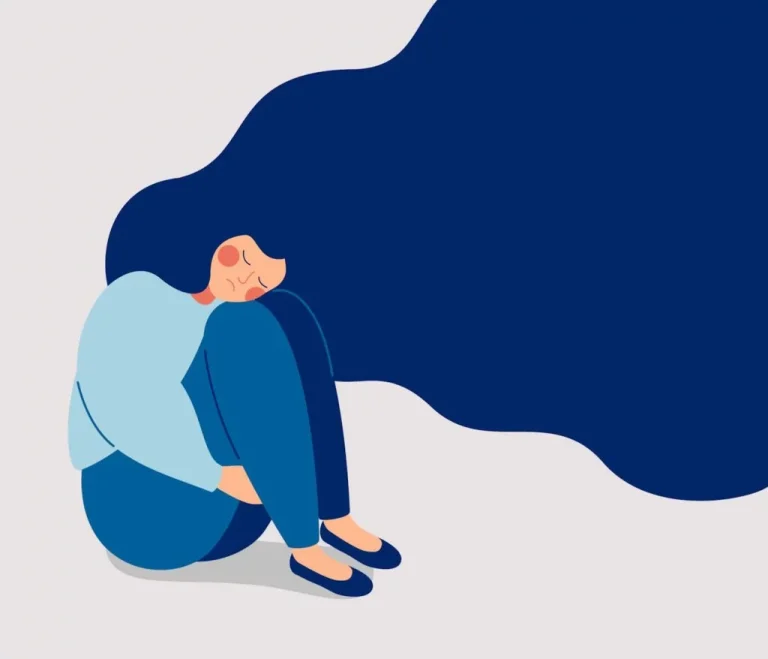
Shame and self-blame: the hidden impact of trauma
When something painful or frightening happens, the emotional impact continues long after the event itself has ended. Gradually, trauma leaves behind sadness, confusion and fear, while shame quietly lingers beneath awareness, shaping how we relate to ourselves. Subtly, the question shifts from wondering why it happened to believing something is wrong with us, altering our life narrative.
Lingering Emotional Wounds: Understanding the Hidden Cost of Trauma
Initially, children experience shame when their emotional needs are unmet or dismissed by important caregivers in early life. Sometimes, parents unknowingly communicate blame or distance, which the child interprets as something being wrong with them. Eventually, the child starts to believe love must be earned through perfection, silence or pleasing behaviours to feel safe. Moreover, this belief becomes a filter through which they see themselves, others, and their worth in relationships. Therefore, early shame leaves lasting emotional imprints that influence self-esteem, trust and connection well into adulthood.
Lingering Emotional Wounds: How Trauma Shapes Self-Perception
Firstly, trauma within close relationships, especially in childhood, creates deep, lasting emotional marks that extend beyond physical or mental wounds. Consequently, these experiences shape our understanding of love, safety, and self-worth in profound, subtle ways. Ultimately, the emotional scars from these experiences can influence our future relationships and perceptions of ourselves well into adulthood.
How Trauma Rewrites the Way We See Ourselves
Understandably, when pain comes from someone we trust, it can deeply damage how we view ourselves and our core identity. Realistically, accepting that a loved one caused harm feels unbearable, so the mind instinctively redirects blame inward to protect the relationship. We begin believing the hurt was our fault, creating a cycle of shame that distorts self-worth and emotional safety over time.
Navigating the Hidden Impact of Shame and Trauma
Gradually, this pattern of thinking embeds itself into our identity, shaping how we interpret life and relate to ourselves. Historically, shame served a social function, encouraging individuals to repair relationships and maintain community connection through accountability. Nowadays, this instinct can misfire after trauma, triggering misplaced self-blame that harms rather than heals emotional wounds. Subsequently, our minds try to reclaim control by assigning responsibility inward, believing fault offers a pathway to prevent future hurt. Emotionally, this becomes a misguided attempt to organize internal chaos, even though the original pain was never ours to carry.
Lingering Emotional Wounds: How Shame Shapes the Way We See Ourselves
Inevitably, shame isolates us by convincing us that our pain is unique, and others could never truly understand or care. Consequently, we withdraw further, strengthening the belief that something within us is broken, and that connection is neither safe nor possible. Importantly, recognising that shame is not evidence of guilt allows us to challenge its grip and interrupt the silence it creates. Ultimately, shame becomes a lingering echo of trauma, not a reflection of truth, but a call for compassion and healing instead.
Confronting Lingering Emotional Wounds with Compassion and Awareness
Typically, healing from shame begins in small moments of awareness, not in grand gestures or sudden emotional breakthroughs. Occasionally, we question whether the critical inner voice speaks truth or simply echoes old pain we haven’t processed. Perhaps, it belongs to the most wounded part of us, still trying to understand and survive past experiences. Gradually, responding with compassion rather than judgement allows space for something softer and more hopeful to emerge within us. This new way of relating to ourselves builds the foundation for healing, confidence, and emotional resilience over time.
Viewing Yourself Through a Kinder Lens After Trauma
Eventually, we start seeing ourselves not as broken, but as individuals who have survived more than anyone ever imagined. Importantly, speaking openly with someone trusted or in therapy can ease shame’s weight and help rebuild a sense of emotional connection. Undoubtedly, the painful experiences may have left lasting marks, but they do not define your identity or your entire story. Long story short, awareness and courage can gently shift self-perception from silent suffering to compassionate understanding and renewed inner strength.
Final Thoughts
To finish off, recognizing shame as a reflection of pain rather than personal failure can shift how we view ourselves and heal. Consequently, that awareness becomes a powerful starting point for self-compassion, emotional reconnection, and reclaiming a sense of inner peace. So coming home to yourself begins not with judgement, but with the courage to face your wounds with understanding and care.
Lingering Emotional Wounds: Written by Veronika Orsogova
Veronika Orsogova was an intern who was part of the Willingness Team in 2025.
References
Archuleta, W. P., Kaminski, P. L., & Ross, N. D. (2024). The roles of shame and poor self-concept in explaining low social connection among adult survivors of childhood emotional maltreatment. Psychological Trauma: Theory, Research, Practice, and Policy, 16(7), 1149– 1157. https://doi.org/10.1037/tra0001559
George, C. (2025). Attachment, shame, and trauma. Brain Sciences, 15(4), 415. https://doi.org/10.3390/brainsci15040415
Platt, M. G., & Freyd, J. J. (2015). Betray my trust, shame on me: Shame, dissociation, fear, and betrayal trauma. Psychological Trauma: Theory, Research, Practice, and Policy, 7(4), 398–404. https://doi.org/10.1037/tra0000022
Santoro, G., Sideli, L., Musetti, A., & Schimmenti, A. (2025). The relationship between childhood trauma and shame: The mediating role of dissociation. European Journal of Investigation in Health, Psychology and Education, 15(8), 151. https://doi.org/10.3390/ejihpe15080151