
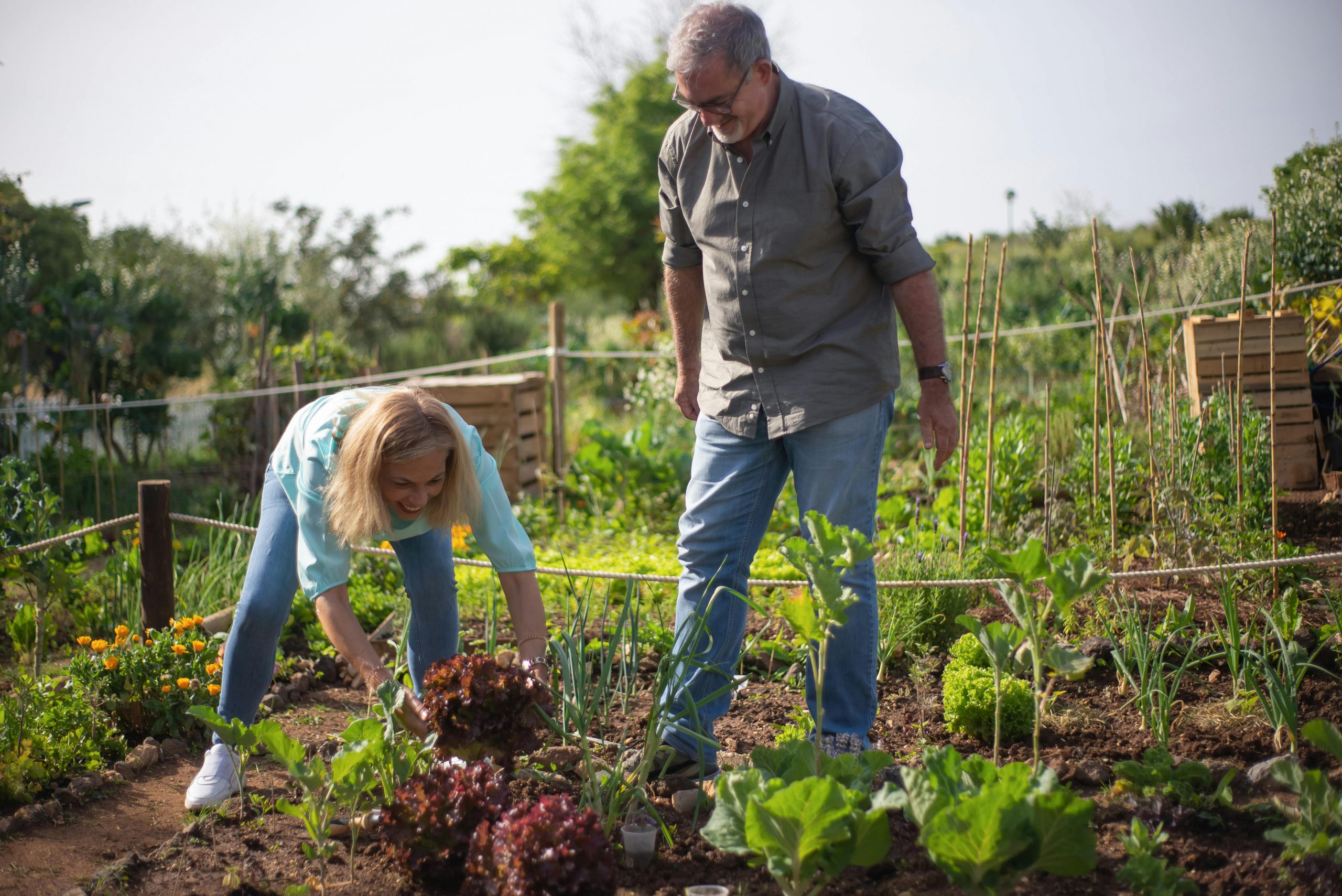
Empty Nest? Try Gardening for Emotional Well-Being
Experiencing the empty nest phase can create unexpected emotional shifts that leave you feeling lonely, unanchored, or even purposeless. Moreover, as your daily responsibilities change, it becomes important to find new activities that restore structure and meaning. Consequently, gardening offers emotional balance, mindfulness, and fulfilment, making it an ideal way to reconnect with yourself during this life transition.
Finding Emotional Balance Through Gardening After the Nest Empties
Gardening supports emotional wellbeing by offering structure, purpose, and calm during major life transitions. Additionally, it encourages movement, routine, and mindfulness in a natural setting. Moreover, growing plants gives individuals something to nurture, helping replace feelings of loss with fulfilment. Sometimes, reconnecting with nature provides clarity, especially when navigating identity shifts and new personal goals. Consequently, tending a garden offers emotional grounding and a renewed sense of inner balance. Ultimately, this blog explores how gardening can become a therapeutic and rewarding practice for empty nesters seeking emotional growth.
How Gardening Supports Emotional Healing and Everyday Wellbeing
Firstly, humans naturally feel calmer and more emotionally balanced when surrounded by greenery and engaging with nature regularly. Moreover, research shows gardening reduces stress and eases anxiety by promoting mindful attention, movement, and sensory stimulation. However, not everyone has access to a traditional garden space, but that shouldn’t be a barrier to starting. Instead, you can begin with a balcony planter, window herbs, or potted plants inside your home environment. The healing power of nature is accessible anywhere, making gardening a flexible and fulfilling path to improved mental wellbeing.
1.1) Plant Therapy Benefits: Continue to Nurture Your Mind Through Growing Green Spaces
Previously, you nurtured your children with love and care, guiding their growth through every stage of life. Now, you may discover similar fulfilment in tending to plants and watching them flourish with your consistent attention. Additionally, growing something beautiful can fill emotional gaps and create a renewed sense of purpose after parenting. Ultimately, nurturing plants becomes a meaningful way to continue caring, while also supporting your emotional wellbeing and personal growth.
1.2) Plant Therapy Benefits: How Growing Greenery Supports Emotional Wellbeing
Clearly, watching a flower bloom from a bulb increases self-esteem by showing the results of personal care. Moreover, seeing growth reminds individuals of their ability to nurture life and contribute meaningfully. Sometimes, simply observing plants can lift our mood, especially when we have grown them ourselves. Additionally, growing something over time creates emotional connection, satisfaction, and confidence through consistent and mindful effort. Your actions result in something beautiful, proving your ability to stay committed and patient. Therefore, gardening becomes more than a hobby; it becomes an empowering tool for emotional growth and self-worth.
1.3) Nurturing Growth: How Gardening Encourages Healing and Emotional Connection
Firstly, humans naturally feel calmer and more emotionally balanced when surrounded by greenery and engaging with nature regularly. Moreover, research shows gardening reduces stress and eases anxiety by promoting mindful attention, movement, and sensory stimulation. However, not everyone has access to a traditional garden space even though that shouldn’t be a barrier to starting. Instead, you can begin with a balcony planter, window herbs, or potted plants inside your home environment. Ultimately, the healing power of nature is accessible anywhere, making gardening a flexible and fulfilling path to improved mental wellbeing.
2.1) Rediscovering Purpose Through Nurturing Living Things
Firstly, taking care of plants can provide new meaning once children leave the family home behind. Moreover, plants depend on you just as your children once did when they were still living with you. Meanwhile, this gentle responsibility helps you maintain structure, which supports emotional balance and daily routine. Additionally, gardening invites calm moments and allows your mind to slow down through intentional, hands-on connection. Ultimately, you’ll discover that nurturing something again fills a quiet gap and restores personal purpose with peace.
2.2) Caring for Plants to Heal the Heart After Children Move Out
Sometimes, when children leave home, life may suddenly feel empty and emotionally disconnected from everyday meaning. Instead, tending to plants gives emotional purpose and gently replaces the caring role you’ve naturally grown used to. Gradually, you form a bond with something living that responds to your presence, patience, and consistent care. Eventually, you realise these small acts of tending offer comfort, identity, and daily joy without demanding too much.
2.3) Moving Your Body and Calming Your Mind Through Gardening
Clearly, gardening tasks like digging, weeding, and watering help reconnect you with your body and surroundings. Furthermore, it encourages movement without pressure, offering exercise in a peaceful and low-stress way. Gradually, your body adapts to the variety of postures, increasing flexibility, strength, and body awareness. Meanwhile, your focus shifts from thoughts to sensations, helping you become more grounded in the present. Long story short, this physical rhythm supports emotional regulation and creates space for self-renewal through nature’s pace.
3.1) Plant Therapy Benefits: Discover the Emotional Rewards of Growing and Nurturing a Garden
Gardening provides emotional rewards, whether you harvest fruit, grow herbs, or enjoy seasonal blossoms each year. Additionally, tending your garden promotes a sense of ownership, achievement, and deep connection with nature’s cycle. Moreover, children and adults alike can learn important life values from planting, pruning, and nurturing different species. Sometimes, something as simple as watering your plants creates moments of calm, pride, and purposeful intention. Ultimately, gardening reminds us that consistent care leads to beautiful outcomes we can see, touch, and even taste.
3.2) Plant Therapy Benefits: Embrace Year-Round Mindfulness and Mood Boosts Through Daily Gardening
As a matter of fact, gardening is an all-year activity, particularly in warmer climates where plants thrive throughout changing seasons. Meanwhile, being surrounded by seedlings and plants enhances presence, inviting mindfulness and reducing emotional tension through gentle routine. So long story short, daily time outdoors gives you sunlight and fresh air, both essential in boosting mood and maintaining healthy vitamin levels.
3.3) Plant Therapy Benefits: Create Meaningful Family Moments and Lasting Bonds Through Gardening Together
You see, when your children visit, gardening becomes a shared experience that deepens emotional bonds in meaningful ways. Moreover, the environment you’ve created offers calm, connection, and a legacy they can appreciate and enjoy. Meanwhile, spending time in nature promotes open conversation, shared activities, and a sense of grounded family togetherness. Additionally, gardens represent long-term care and love, something that extends beyond words or distance with quiet strength. At the end, as Audrey Hepburn beautifully said, “To plant a garden is to believe in tomorrow”. That’s a message of hope you’ve nurtured daily.
Final Thoughts
To finish off here, gardening provides emotional support by fostering patience, structure, and a deeper sense of connection. Moreover, engaging with plants daily builds resilience and mindful self-care habits. Additionally, even small green spaces can promote wellbeing and offer comforting routines during transitional life phases. At the end, plant therapy benefits extend beyond the garden, which really helps with enriching mental health and everyday emotional balance.
Plant Therapy Benefits: Written by Franziska Richter
If you think that you can benefit from professional support on this issue you can reach out here.
Franziska Richter is a transcultural counsellor with the Willingness Team, offering counselling sessions to individuals and couples. She is particularly interested in sexuality, relationship issues, trauma, emotional wellbeing, and general mental health.
References
https://greenprints.com/daily/gardening-humor/gardening-is-one-of-the-best-empty-nest-hobbies