
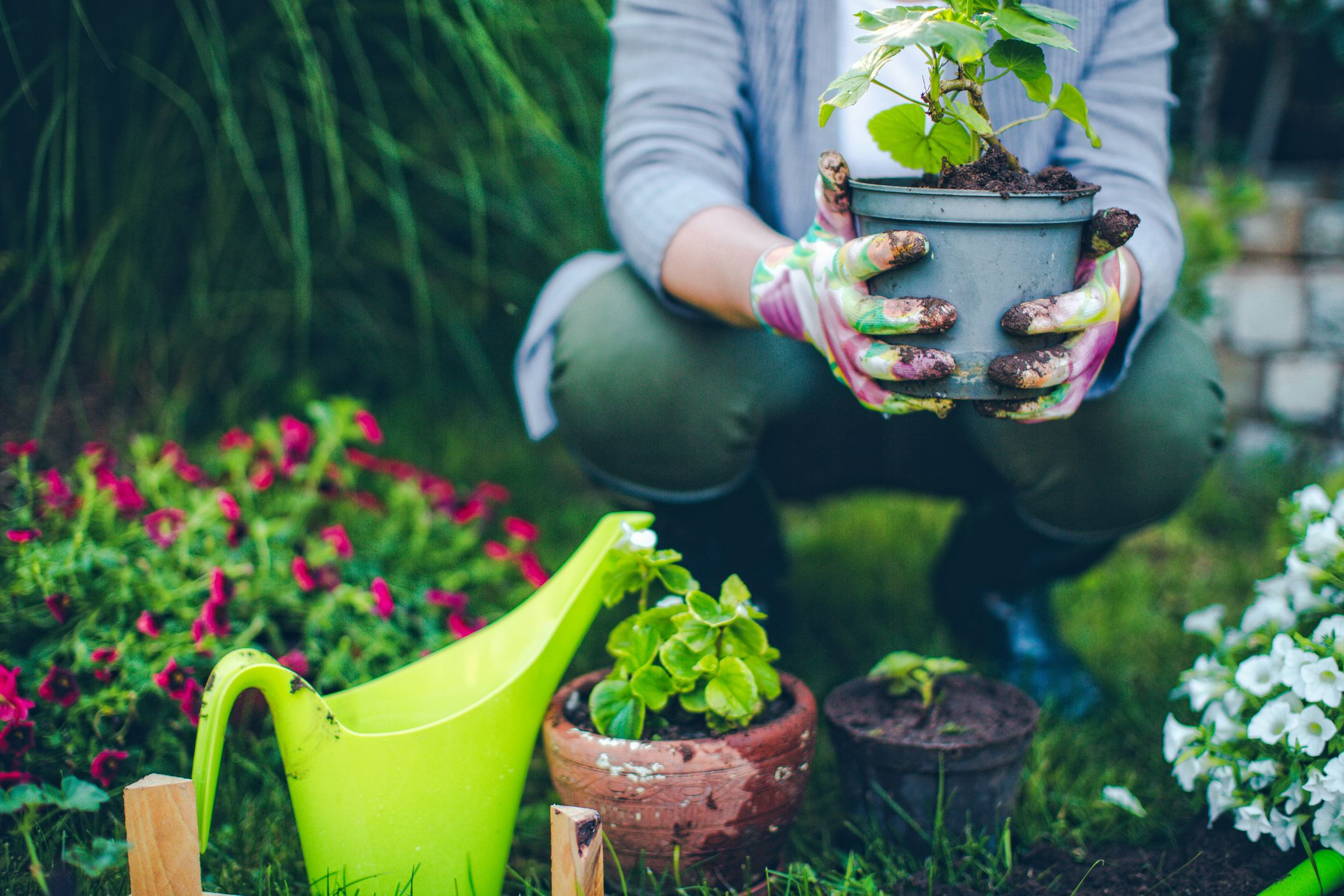
How Gardening helps to improve your Mood
Historically, humans have relied on gardens not only for food but also for mental and emotional wellbeing. Nowadays, people use gardening routines to relax, reduce stress, and improve overall focus through regular connection with nature. Furthermore, growing plants fosters mindfulness, allowing individuals to remain present and grounded in their daily lives. Gardens now serve as peaceful sanctuaries that nurture wellbeing, creativity, and meaningful relationships with others and the environment.
The Mental Health Benefits of Growing Plants at Home
Gardening supports mental health by helping individuals manage stress, improve mood, and build emotional resilience naturally. Additionally, consistent interaction with nature encourages mindfulness, providing a calming routine that benefits overall psychological balance and wellbeing. Moreover, planting and nurturing growth promotes a sense of purpose, achievement, and increased self-esteem through visible, rewarding progress. Sometimes, tending to plants can strengthen focus and attention, especially during moments of overwhelm or emotional fatigue. Ultimately, this blog explores how daily gardening practices can become powerful tools for maintaining mental clarity and emotional stability.
How Gardening Nurtures Your Mental Health and Emotional Wellbeing
Firstly, gardening allows individuals to disconnect from daily stressors and engage with nature in a calming, restorative environment. Secondly, the act of nurturing plants can increase emotional resilience, boost self-worth, and foster a strong sense of personal accomplishment. Moreover, spending time outdoors encourages physical movement, which contributes to improved focus, reduced anxiety, and better overall mood. Integrating gardening into daily routines supports long-term mental wellbeing by combining mindfulness, purpose, and peaceful interaction with the natural world.
Aromatic Herbs: Discover Their Calming Effect on Mind and Mood
Gardening creates a calming effect that helps reduce stress and supports emotional balance through simple, mindful actions. Sometimes, focusing on small gardening tasks redirects attention away from negative thoughts and towards present-moment awareness. Additionally, regular interaction with soil, plants, and nature encourages relaxation and boosts one’s mood naturally over time. Simply being near greenery can ease mental tension and support inner calm, even without physically working in the garden. Long story short, gardening provides a peaceful space for reflection, emotional reset, and everyday mental health support.
How Gardening Boosts Self-Esteem and Emotional Wellbeing
In fact, gardening can effectively build self-esteem by reinforcing your ability to care for something and see results. Successfully growing plants allows you to witness progress, fostering a sense of achievement and inner confidence. Observing healthy growth encourages personal validation, reminding you that your consistent efforts lead to positive outcomes. Moreover, nurturing plants helps you develop patience, responsibility, and trust in your own abilities through daily engagement. Sometimes, a simple act like watering can offer unexpected moments of pride and emotional upliftment. Ultimately, gardening empowers individuals to value themselves more by recognising their impact on living things around them.
How Gardening Naturally Improves Focus and Attention Span
Firstly, engaging in gardening activities helps individuals focus better by eliminating external mental distractions. Moreover, sustained attention during planting tasks promotes mindfulness and improves concentration in daily routines. Consequently, those struggling with attention may benefit from the calming structure gardening consistently provides. Additionally, gardening offers natural opportunities to practise patience, awareness, and deliberate decision-making. Indeed, research shows outdoor tasks like gardening can reduce attention-related difficulties over time. Gardening serves as a practical, therapeutic method to boost focus and mental clarity.
Aromatic Herbs: Growing Wellness Through Movement and Mindful Exercise
Firstly, gardening includes physical tasks like digging and weeding, which offer moderate exercise and promote overall body movement. Moreover, regular physical activity through gardening helps relieve anxiety, reduce depressive symptoms, and improve mental resilience over time. Consequently, studies show that gardening may even lower the risk of cognitive decline and age-related memory issues in older adults. Alternatively, for those who dislike traditional workouts, gardening provides a joyful option that still supports mental and emotional wellbeing. Engaging in garden tasks combines gentle movement and purpose, making it a valuable addition to daily mental health routines.
Bringing Nature Indoors to Boost Mood and Mindfulness
Indeed, you can begin by dedicating a few minutes daily to watering or checking your indoor aromatic herbs. Sometimes, simply placing potted plants near sunlight helps you stay consistent while bringing calm and greenery into your space. Additionally, starting a small herb garden in your kitchen allows easy access and promotes healthy, mindful living habits. Gradually, you may explore composting or repotting tasks to deepen your connection with nature and care routines. Ultimately, incorporating gardening into everyday life supports emotional balance, focus, and wellbeing through regular contact with plants and natural cycles. Here are some activities you can do:
1) Aromatic Herbs: How to Grow Mood-Boosting Plants Indoors
Gardening is not limited to outdoor areas and can be successfully practised inside your home with proper care. Many plants thrive indoors when placed near windows, given suitable soil, and maintained with attention to their individual needs. Additionally, natural or artificial lighting supports steady growth and allows herbs and flowers to flourish throughout the year. Sometimes, a few containers and the right tools are all you need to begin a peaceful indoor gardening routine. Growing plants indoors promotes wellbeing, boosts mood, and creates a calming atmosphere regardless of space or gardening experience.
2) Aromatic Herbs: Choosing the Right Scents to Grow for Mood and Mind
Consider what flowers, fruits, or vegetables bring you joy and motivation to maintain your gardening space consistently. Additionally, evaluate how much time you can dedicate to daily watering, seasonal pruning, or potential pest control efforts. Furthermore, select plants suited to your home’s sunlight levels, available space, and the climate in your specific region. Ultimately, make practical choices that reflect your lifestyle, financial resources, and interest in sustaining a balanced, rewarding gardening experience over time.
3) Join a Community Garden to Cultivate Connection and Wellbeing
Community gardens allow individuals to grow plants, vegetables, and herbs in shared outdoor spaces within their local neighbourhoods. Additionally, these spaces provide great opportunities to exchange knowledge, gardening tips, and meaningful conversations with like-minded people. Sometimes, beginners learn by observing others and gaining hands-on experience through shared tasks and seasonal planting efforts. Therefore, joining a community garden encourages healthy routines, fosters teamwork, and contributes to a stronger sense of belonging. Searching online for nearby locations helps you take the first step toward becoming part of a supportive gardening community.
Final Thoughts
To conclude, gardening improves mood, reduces stress, and supports emotional resilience through consistent mindful engagement outdoors. Moreover, individuals develop stronger focus, deeper self-awareness, and greater satisfaction through daily care of growing plants. Additionally, tending to nature helps people connect with others and share experiences in calming green environments. Clearly, gardening offers more than beauty—it nurtures mental health, purpose, and balance in everyday life.
Aromatic Herbs: Written by Charlot Cauchi
If you think that you can benefit from professional support on this issue you can reach out here.
Charlot Cauchi is a Gestalt Psychotherapist at Willingness. He has experience working with adult clients with mental health difficulties, anxiety and depression, loss and grief, traumatic experiences, stress and relational issues.
References
Thompson, R. (2018). Gardening for health: A regular dose of gardening. Clinical Medicine, 18(3), 201-205. https://doi.org/10.7861/clinmedicine.18-3-201