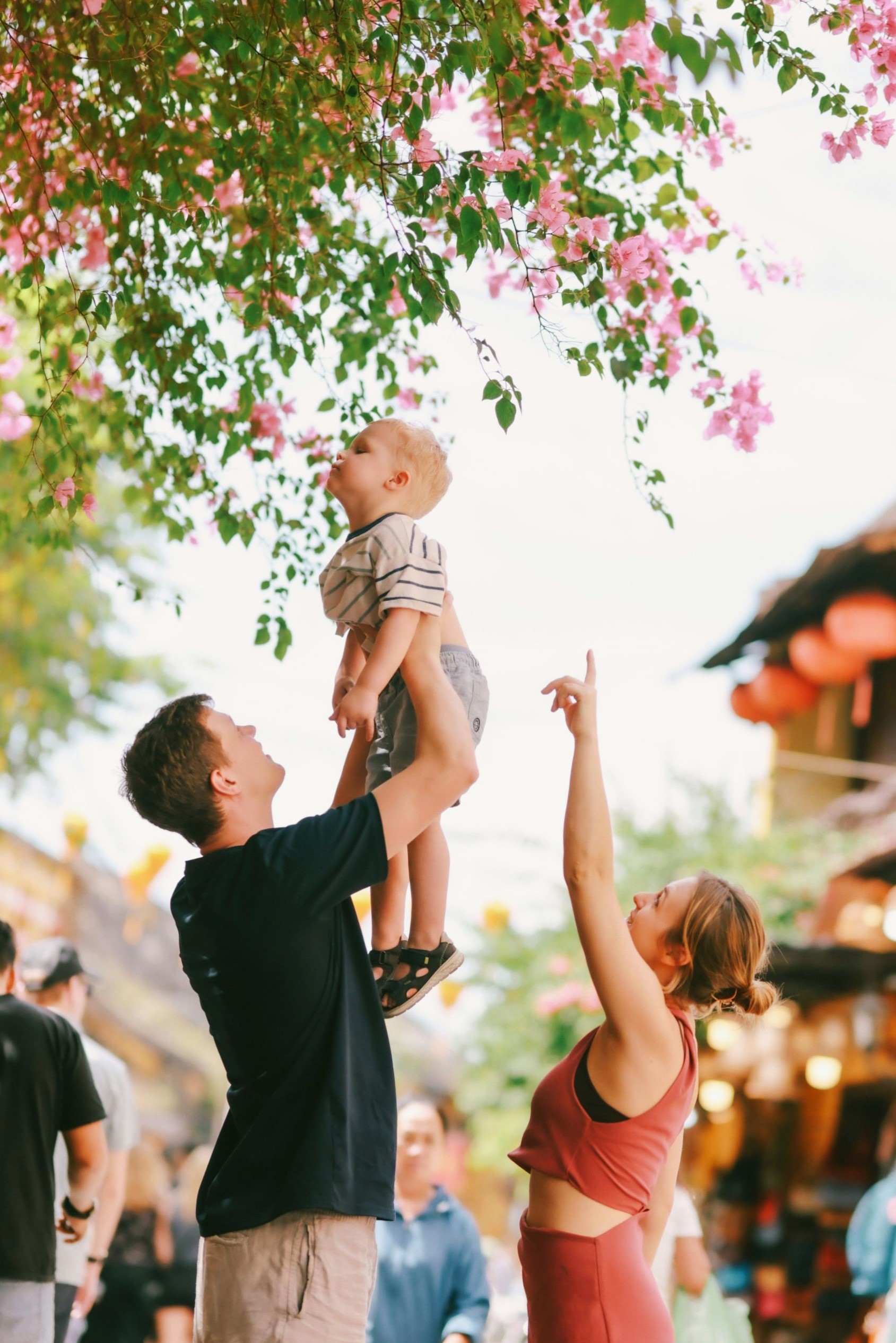
What Makes A Family in 2016?
Fundamentally, we must ask what truly defines a family within today’s rapidly evolving social, cultural, and relational landscape. Moreover, we should question whether traditional social norms alone determine how we recognize and value different family structures. Exploring these questions invites deeper reflection on connection, shared responsibility and the everyday quality time that shapes children’s development.
Understanding Evolving Families in Modern Society
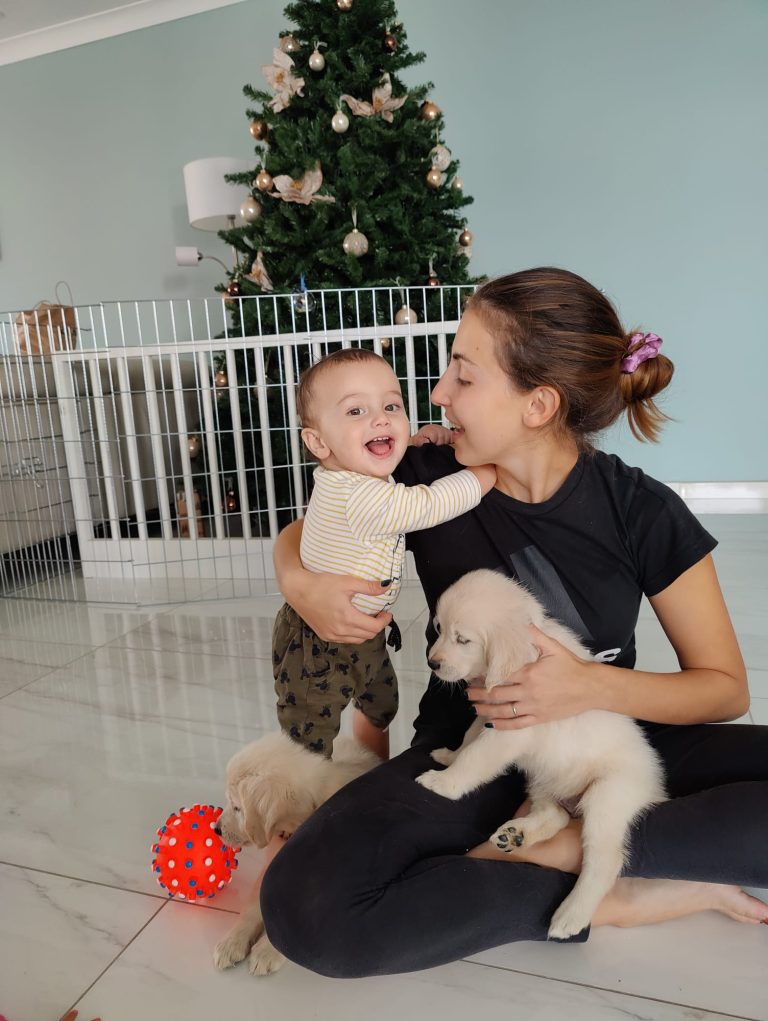
People imagine a mother and father raising children together within a stable and harmonious household. Traditionally, society has promoted this structure as the expected and socially approved model of family life. However, many households today reflect increasingly diverse, inclusive, and evolving realities shaped by personal values and lived experience. Increasingly, single parents confidently raise children within supportive, structured, and emotionally secure environments. Equally, same-sex and opposite-sex couples build meaningful, committed partnerships with or without children or pets. Ultimately, families develop through consistent care, emotional safety, shared responsibility, and everyday acts of love rather than rigid social expectations.
Understanding Evolving Families Beyond Biology
Importantly, family members do not need biological ties to create meaningful, secure, and deeply rooted emotional bonds. Many foster and adoptive families provide stability, guidance, structure, and consistent emotional support for children. Likewise, carers and guardians often step into parental roles with dedication, patience, resilience, and profound responsibility. Genuine belonging develops through trust, shared experiences, emotional safety, commitment, and sustained connection rather than shared genetics alone.
Justifying Broader Definitions of Family
A person may belong to multiple families throughout different stages of life and ongoing personal development. Close friendships often provide emotional security, loyalty, shared history, and deep understanding comparable to traditional family bonds. Furthermore, many individuals openly describe trusted friends as chosen family within their personal support networks and everyday routines. Social connections built on trust, reliability, emotional honesty, mutual respect, and meaningful shared experiences can feel equally stable, protective, and enduring over time. Ultimately, family extends beyond structure and biology to include those who consistently offer care, presence, encouragement, guidance, reassurance, shared responsibility, and a genuine sense of belonging.
Opening Our Perspective on Family
Additionally, the extended family often forms an integral part of a larger, deeply supportive network, including aunts, uncles, grandparents, and cousins who contribute to a child’s development. Moreover, these intergenerational relationships can provide continuity, shared traditions, emotional grounding, and a strong sense of identity across different stages of life. Individuals may also experience a meaningful sense of family within trusted work groups, social circles, or communities where they actively engage, collaborate, and feel valued.
Understanding Evolving Families in Contemporary Society
Family can be understood as an abstract yet deeply intrinsic feeling rooted in belonging, emotional security, shared connection, and mutual responsibility. Fundamentally, individuals feel part of a family when they experience love, acceptance, guidance, protection, and consistent nurturing over time. Arguably, one of the most touching and universally recognized definitions appears in the film Lilo and Stitch, resonating across cultures and generations. Notably, it reminds us that family means no one gets left behind or forgotten, regardless of changing circumstances or challenges. This definition captures the essence of commitment, loyalty, protection, and unconditional presence within any evolving, diverse, and modern family structure.
Final Thoughts
To wrap up here, recognizing the diversity of modern family structures allows us to prioritize emotional well-being over rigid social expectations. Embracing inclusive definitions helps create space for healthier relationships grounded in respect, stability, and shared responsibility. Understanding evolving families encourages a more compassionate, realistic, and psychologically informed perspective on belonging.
Understanding Evolving Families: Written by Danica Cassar
If you think that you can benefit from professional support on this issue you can reach out here.
Danica Cassar is a Health Psychology Practitioner. She graduated with a Bachelor of Psychology Honours from the University of Malta. In addition, she obtained a Master of Science in Health Psychology from the University of Bath. She can be contacted on [email protected] or call us on 79291817.