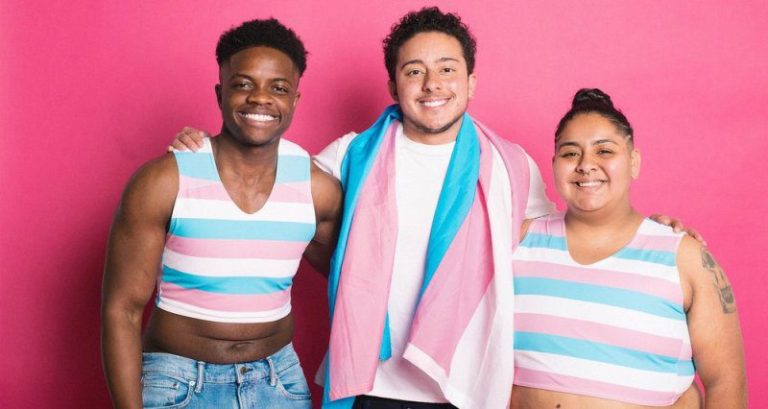
Meeting the Genderbread Person!
Gender identity develops through personal experience and emotional understanding, rather than depending entirely upon biological characteristics. Many individuals identify comfortably with their assigned sex, although others experience gender differently throughout life. Understanding these differences encourages acceptance, reduces stigma and supports healthier conversations surrounding identity, diversity and psychological wellbeing.
Understanding Gender Concepts and Personal Identity
Gender involves several personal factors extending beyond biological characteristics traditionally associated with male or female identities. Additionally, people develop gender identities through emotional awareness, social experiences and personal understanding during different life stages. Meanwhile, biological sex describes physical characteristics, although gender identity reflects someone’s deeply personal internal experience. Furthermore, gender expression includes clothing, behavior and communication styles people comfortably use within everyday social environments. Similarly, romantic attraction describes emotional connections people develop, while sexual attraction relates specifically towards physical intimacy. Therefore, recognizing these differences encourages respectful discussions, greater inclusion and improved understanding regarding diverse human experiences.
Understanding Gender Concepts and Social Understanding
Firstly, gender identity describes how individuals personally experience and understand themselves emotionally, socially and psychologically each day. Meanwhile, gender expression reflects how people present themselves publicly through behavior, appearance, clothing choices and communication styles. Additionally, biological sex refers specifically towards physical characteristics present at birth, including chromosomes, hormones and anatomy. Consequently, romantic and sexual attraction describe emotional connections and physical interest individuals may experience towards other people.
Connecting Identity Through Personal Gender Expression
Gender identity reflects how individuals personally understand themselves emotionally, regardless of expectations traditionally associated with biological characteristics at birth. Meanwhile, some people identify as cisgender, whereas others identify as transgender, non-binary, genderqueer or through additional diverse identities. Personal experiences, social environments, emotional development and cultural influences all contribute towards shaping someone’s unique understanding of gender identity.
Navigating Personal Identity And Expression
Gender expression reflects how individuals present themselves publicly through clothing, behavior, communication styles and personal interests daily. Additionally, cultural expectations strongly influence how societies encourage individuals to behave according to traditional masculine or feminine stereotypes. Meanwhile, many Maltese communities traditionally expect women to demonstrate nurturing behavior and prefer colors associated with femininity socially. Furthermore, Maltese society often encourages boys to appear emotionally strong, competitive and interested in sports like football regularly. Consequently, gender expression varies significantly between cultures, demonstrating how social expectations influence personal presentation and behavior throughout life.
Zooming Beyond Gender Stereotypes
Society often labels women enjoying football, weightlifting or competitive sports activities as more masculine than traditionally expected females. Meanwhile, society may describe boys preferring childcare responsibilities, emotional openness or nurturing family roles as noticeably more feminine today. Additionally, many communities continue associating colors, hobbies, behaviors and personality traits with traditional expectations surrounding masculinity and femininity socially. Furthermore, these cultural expectations strongly influence how individuals express themselves publicly, although personal interests naturally vary between different people. Understanding gender expression encourages greater acceptance and reduces unfair assumptions regarding behavior, interests, appearance and personal lifestyle preferences.
Understanding Gender Concepts Across Different Cultures
Certain cultures traditionally consider women the primary protectors of families, while men naturally assume nurturing childcare responsibilities instead. Meanwhile, individuals expressing behaviors opposing their society’s expectations may receive labels describing them as either masculine or feminine socially. Consequently, perceptions surrounding gender expression remain strongly connected to cultural traditions, social expectations and community values across different societies.
Observing Biological Differences Throughout Human Growth Patterns
Biological sex refers to physical characteristics individuals naturally possess from birth, including hormones, chromosomes and reproductive anatomy. Additionally, medical professionals commonly identify biological sex through observable physical traits present during birth or early developmental stages. Meanwhile, biological sex includes internal reproductive organs, external genitalia and hormone levels influencing physical development throughout human growth. Furthermore, sex chromosomes contribute towards biological development by influencing reproductive characteristics and other physical traits associated with human anatomy. Consequently, understanding biological sex helps individuals distinguish physical characteristics from gender identity, emotional experiences and personal self-understanding.
Understanding Gender Concepts and Human Attraction
Sexual attraction describes physical desire towards another person, including interest in intimacy, affection and sexual experiences together. Meanwhile, romantic attraction describes emotional connection and interest in developing close relationships, regardless of physical intimacy or sexual activity. Additionally, some individuals experience sexual attraction differently from romantic attraction, creating unique relationship preferences and emotional experiences throughout life. Furthermore, a person may feel sexually attracted towards cisgender men while romantically connecting more deeply with cisgender women emotionally. Understanding these distinctions encourages respectful conversations surrounding attraction, relationships, identity and diverse personal experiences within society today.
Final Thoughts on Understanding Gender Concepts
To close off here, understanding gender encourages empathy, inclusion and healthier conversations surrounding identity, relationships and personal wellbeing today. Recognizing differences between sex, gender expression and attraction helps reduce stigma and encourages respectful understanding. Consequently, continued education surrounding gender diversity supports authenticity, acceptance and psychological wellbeing within modern society.
Written by Mel McElhatton
Mel McElhatton holds a degree in Social Work from the University of Malta. With Willingness, Mel does life coaching and is one of the facilitators in the IRL – In Real Life team. They are also the producer of the radio show Niddiskutu s-Sess. They can be contacted on [email protected] or call us on 79291817.